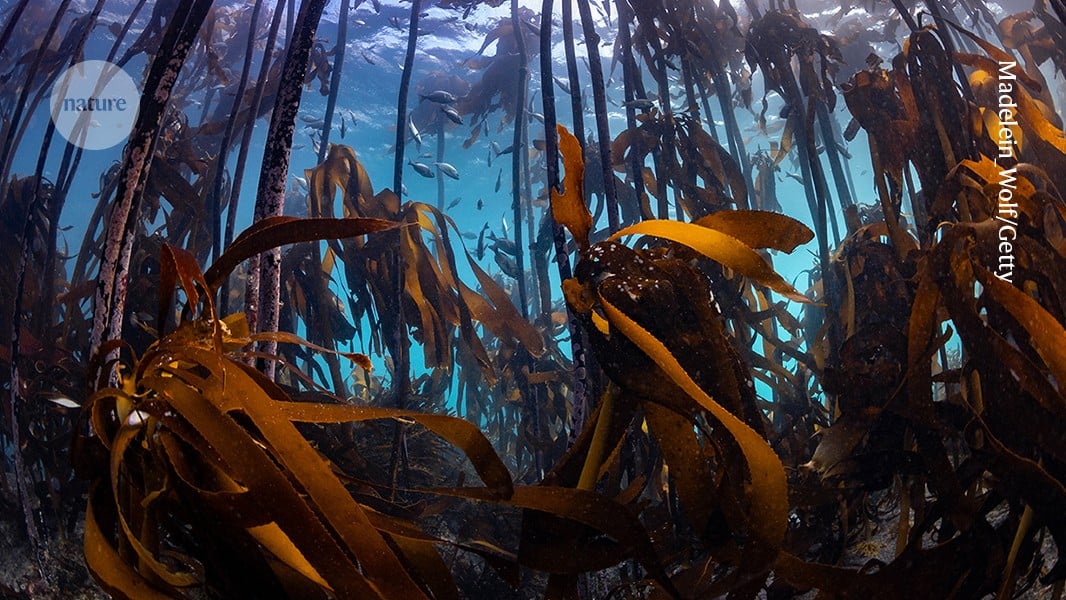
Researchers investigating kelp reproduction have discovered that Southern African brown algae can reproduce asexually when potential mates are scarce, according to a study published on November 12th in the open access journal PLOS Biology by Daniel Liesner at the Max Planck Institute for Biology Tübingen, Germany, and colleagues.
Scientists have discovered that both male and female kelp can reproduce without fertilization when potential mates are scarce. “We found that males can produce smaller, egg-like gametes which soon initiate asexual cell divisions, showing that parthenogenesis is not only a female trait. However, compared with kelp produced through sexual reproduction, those developing without fertilization grow more slowly and show developmental abnormalities, which may reduce their chances of survival,” said Daniel Liesner, lead researcher on the project, regarding laboratory experiments on Laminaria pallida that revealed this unexpected reproductive flexibility, though field surveys found no clear evidence of asexual reproduction in wild populations.
Kelp Produces Offspring Without Fertilization in Laboratories
When grown in separate laboratory dishes without compatible partners, microscopic male and female kelp produced offspring without fertilization.
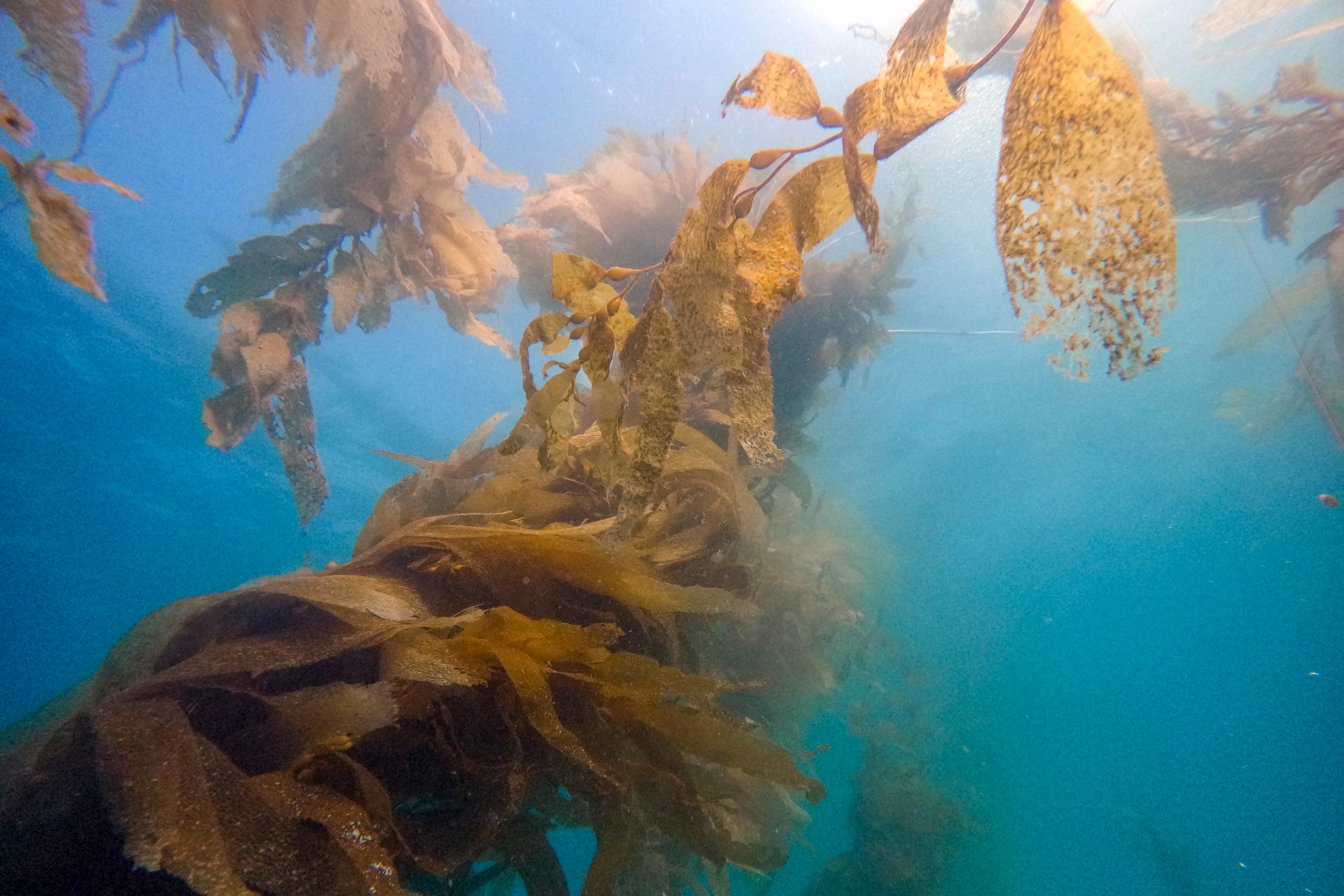
Finding that males can reproduce asexually was completely unexpected.
Daniel Liesner, lead researcher on the project
Olivier De Clerck, a seaweed biologist at Ghent University in Belgium, notes that the ability of male reproductive cells to develop without fertilization is striking because, unlike eggs, sperm cells are small and have few resources to support development.
Gene Expression Shifts During Asexual Reproduction
Molecular analysis showed male gene activity changed during asexual development.
Although gene expression patterns in male and female kelp were distinct, male gene expression underwent de-masculinization during asexual reproduction, becoming more similar to that of females as they activate common developmental programmes to grow into the next generation of kelp.

Field Surveys Find No Evidence in Wild Populations
An examination of 523 wild individual sporophytes collected from South Africa and Namibia revealed no clear signature or unambiguous genetic signatures of asexual reproduction. The open-access paper describes how laboratory capacity does not automatically mean the process is common outside controlled conditions, making it premature to describe the process as a proven survival strategy in natural kelp forests.
Our findings highlight that kelp are even more flexible in their reproduction than previously appreciated.
Daniel Liesner
Mates Suppress Asexual Kelp Reproduction
Both sexes reproduced asexually more often without a suitable mating partner, showing that the physical presence of potential mates suppresses asexual development. A chemical signal diffusing through water may alert kelp to nearby mates and suppress asexual reproduction.
Our findings show that kelps have much greater flexibility in how they reproduce than previously appreciated. Remarkably, even male gametes can develop into new individuals without fertilisation, providing a potential reproductive backup when mating partners are scarce. This flexibility may help kelp populations persist under challenging environmental conditions.
Daniel Liesner