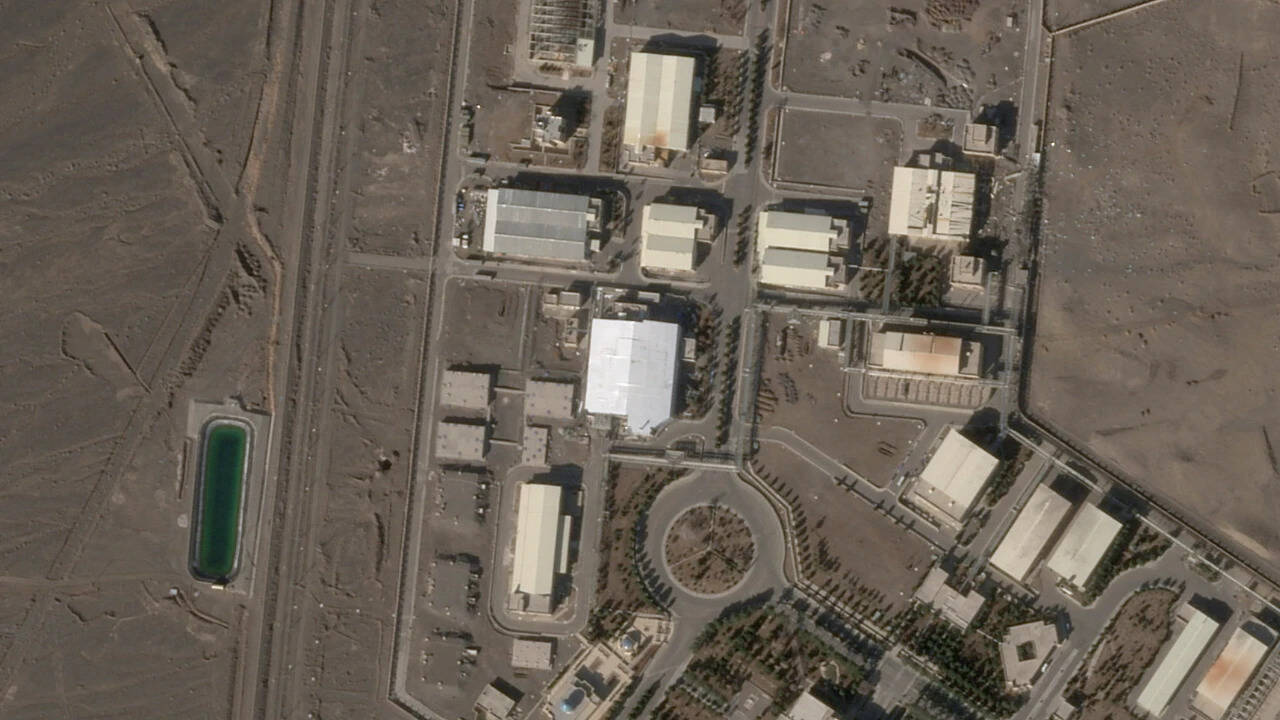
Vienna inspectors cannot verify the whereabouts of Iran’s near-bomb-grade uranium stockpile following military strikes, the United Nations nuclear watchdog said on Friday.
The International Atomic Energy Agency warned member states in a confidential report that a prolonged monitoring blackout leaves it unable to confirm whether nuclear material has been diverted from peaceful activities. The reporting deadlock stems from a tense security stalemate as Tehran links any resumption of inspections to an end in military threats.
The IAEA flagged acute apprehension regarding an underground uranium-enrichment plant near Isfahan in central Iran. Tehran declared the Isfahan Fuel Enrichment Plant to the agency on June 12, 2025, just before a 12-day military campaign by Israel and the United States damaged Iranian nuclear infrastructure.
Inspectors were scheduled to examine the site on June 13, 2025, but the bombing campaign started that day, forcing a cancellation. The agency states it does not know the exact location of the facility, its safeguards status, or whether it contains nuclear material.
The Agency does not know IFEP’s exact location, status for safeguards purposes or whether it contains nuclear material, and the agency is also increasingly concerned that Iran has not permitted the agency to inspect the plant or see design plans.
International Atomic Energy Agency, confidential report
Before the June 2025 airstrikes, the IAEA estimated Iran held approximately 440.9 kilograms of uranium enriched up to 60 percent. That material sits just a short technical step away from the 90 percent purity required for nuclear weapons.

According to agency guidelines, highly enriched material should undergo verification every month. Yet inspectors have been unable to inspect Iran’s bombed facilities or verify the stockpile since the conflict began, aside from a September 12–15 visit to the Bushehr nuclear power plant, which runs on Russian-supplied uranium enriched to 4.5%.
Iranian officials told the U.N. watchdog that discussions on restoring monitoring cannot proceed while under threat from military attacks. Tehran pointed to persistent military threats targeting its nuclear facilities.
“a series of persistent, explicit, and public threats by the President of the United States of America … to commit further acts of armed aggression” was cited by Tehran regarding threats against its nuclear infrastructure, the report said.
Iranian Foreign Ministry spokesperson Esmaeil Baghaei noted at a news conference that Iran remains committed to the Nuclear Non-Proliferation Treaty, blaming foreign strikes for restricting cooperation with inspectors. The confidential report said that Tehran insisted the situation will not resolve until the root causes of the present conflict are addressed and normal safeguards requirements are restored.
International diplomats and regional intermediaries continue efforts to bridge gaps between Tehran and Washington. Sheikh Mohammed bin Abdulrahman Al Thani met with U.S. leadership in the Oval Office to discuss Iran, while nations including Pakistan and Qatar have relayed communications back and forth.
Analysts emphasize that any diplomatic breakthrough remains constrained by opposing strategic demands. Miller said that Washington seeks concrete nuclear commitments alongside the stabilization of the Strait of Hormuz, where attacks on commercial shipping have pressured oil pricing.
Internal discussions within Tehran reflect sharp political debates regarding international oversight. While security figures have publicly raised the possibility of Iran leaving the Non-Proliferation Treaty, other officials indicate willingness to consider technical measures or domestic downblending of enriched material under international supervision and sanctions relief.
Earlier coverage: IAEA Warns of Lack of Transparency at Iran Nuclear Site