The Chicago Bears and state leaders face a strict December 3 deadline as lawmakers gather in Springfield for a legislative session that could determine whether the franchise remains in Illinois or crosses the state line to Indiana.
Springfield Veto Session and the Municipal Stadium Authority Bill
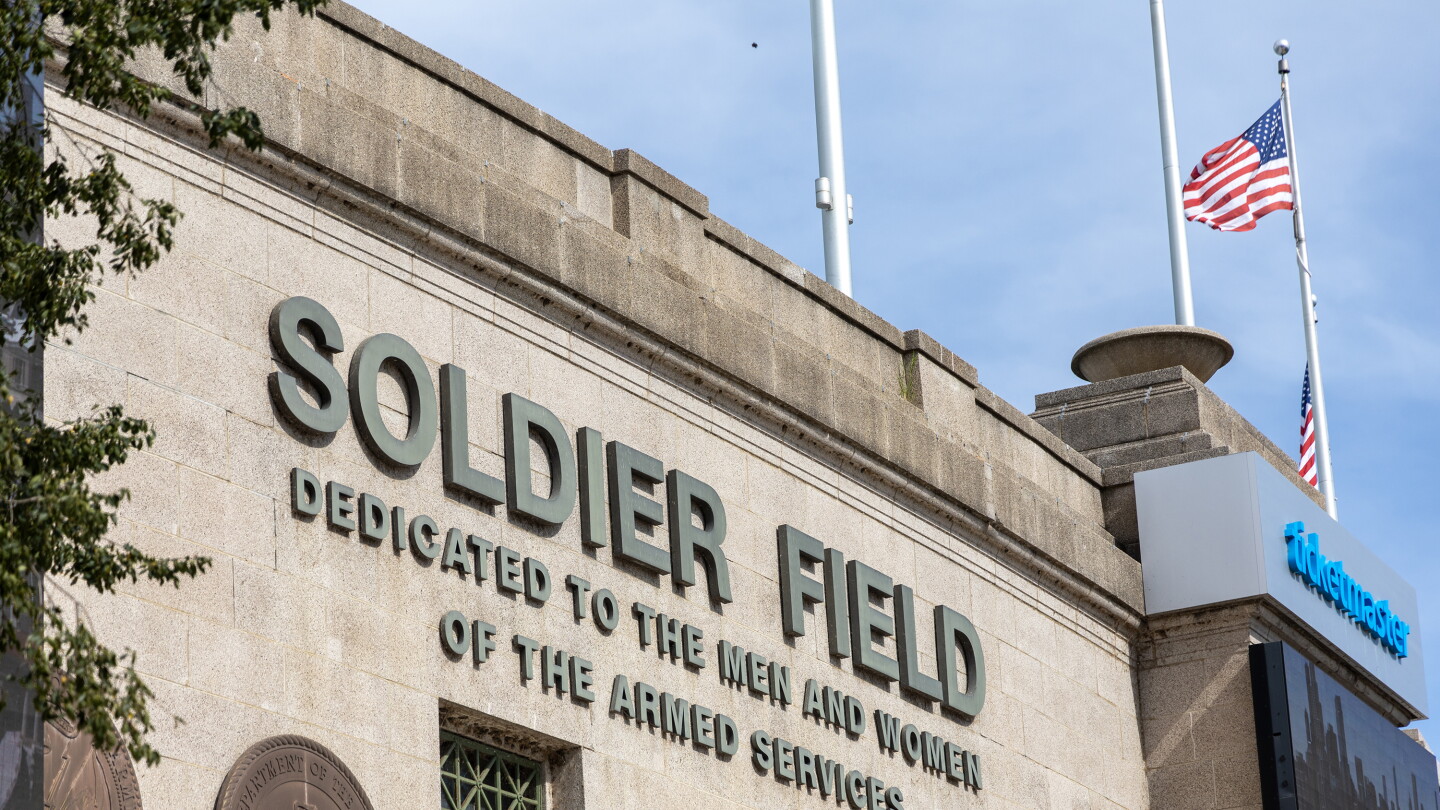
Lawmakers returned to the state capital for a fall veto session beginning November 17, focusing heavily on a proposed municipal stadium authority model designed to give the franchise a viable home inside state borders. The emerging legislative framework would allow qualifying municipalities to create a public authority to own the facility, while the Bears would finance the stadium’s construction and the state potentially covers surrounding infrastructure costs reaching approximately $855 million.
The underlying legislation mirrors a bill that passed the state Senate in June 2026 but stalled in the House. Under the proposal, any home-rule municipality with a population of 70,000 or more residents located in a county with more than 3,000,000 residents may establish a municipal stadium authority.
The threshold applies directly to Chicago, Arlington Heights, and other eligible communities, creating a location-neutral and franchise-neutral structure that could also be utilized by other professional sports teams like the Chicago Stars NWSL club.
Gov. JB Pritzker outlined the timeline for the chamber during discussions leading up to the meetings.
We want to make sure the legislation is ready for people to look at and maybe have some hearings during that first week and then hopefully get voted on during the second week of the veto (session).
Gov. JB Pritzker, via The New York Times
Weighing Competing Sites Across Chicago and the Suburbs
The Bears purchased the former Arlington International Racecourse property for $197 million in Arlington Heights in 2023, proposing a $2 billion stadium and entertainment district. However, property tax disputes and local resistance have complicated those suburban plans, while developers across Chicago have introduced alternative proposals to keep the franchise within city limits.
Capri Investment Group and GRIT Chicago unveiled a 10 billion-dollar development proposal centered on the 100-acre former Michael Reese Hospital site in Bronzeville. The plan features a domed stadium with seating for about 75,000, residential units, and commercial spaces.
Developers said that incorporating the stadium would require the demolition of southernmost buildings at the Prairie Shores apartment complex, displacing roughly 1,000 residents. Additional site pitches have emerged for the former U.S. Steel South Works property along the lakefront and an area near Guaranteed Rate Field in Bridgeport.
Parallel Negotiations in Hammond, Indiana
While Illinois lawmakers debate tax certainty and infrastructure obligations, the Bears have maintained active discussions across state lines.
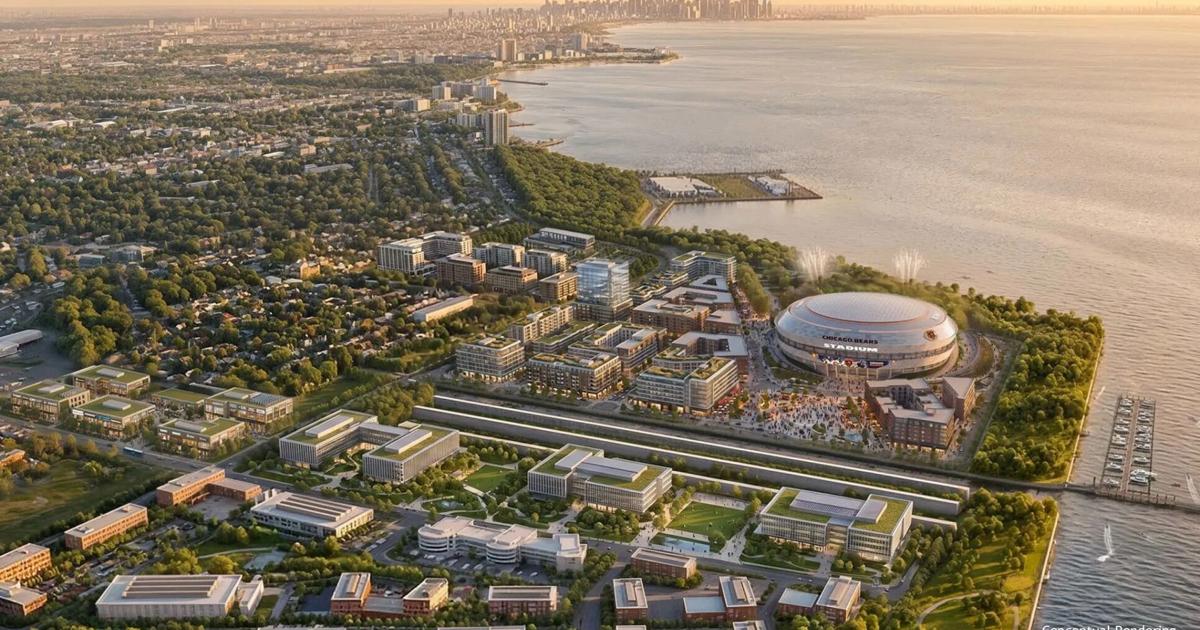
The franchise confirmed its ongoing due diligence in Northwest Indiana as leverage remains a core part of their venue evaluation process.
We continue to work collaboratively with local and state leaders in Indiana to advance our stadium development plans in Hammond, where we are finalizing due diligence details across two sites in the Wolf Lake area.
Chicago Bears, via The New York Times
Indiana has already approved its own stadium legislation, prompting Gov. Mike Braun to encourage the organization to commit fully to the state while team executives balance offers from both jurisdictions.
Bears Update NFL Committee on Stadium Search
Bears chairman George McCaskey and president and CEO Kevin Warren met with the NFL’s stadium subcommittee in New York City to provide updates on their location search across Illinois and Indiana in coordination with quarterly league meetings. Warren previously noted at league meetings that project costs increase by $150 million with each year of delay.
Before serving as governor, JB Pritzker established several Chicago-based venture capital and investment startups, co-founded Pritzker Group Private Capital, and founded 1871, a nonprofit digital startup incubator.

He was also active in politics decades before holding elected office, including an unsuccessful 1998 bid for Illinois’s 9th congressional district and serving as a national co-chair of Hillary Clinton’s 2008 presidential campaign. Born in Palo Alto, California, on January 19, 1965, he earned his Juris Doctor from the Northwestern University School of Law in 1993.
The legislative clock in Springfield runs out when the current veto session concludes on December 3, leaving state representatives and senators a narrow window to pass framework legislation before the decision pivots entirely toward competing offers.
Earlier coverage: Capri Investment Group Proposes $10B Chicago Bears Stadium Plan