
Burkina Faso, Mali, and Niger have submitted a joint bid to host the 2032 Africa Cup of Nations (AFCON). The proposal from the three neighboring nations, all governed by military regimes, comes as the Confederation of African Football (CAF) invites applications for the 2028, 2032, and 2036 editions of the tournament.
Regional Alliance and Strategic Objectives
The joint bid is organized through the Alliance of Sahel States (AES), a pact formed by the three nations to strengthen cooperation across security, infrastructure, trade, and economic development. According to the Malian Football Federation (Femafoot), the proposal is centered on principles of solidarity, regional integration and sustainable development of African football.
Femafoot stated it intends to work with relevant authorities to develop a solid, credible bid
designed to bring a new vision to the continental game. Their move toward a confederation follows years of political turbulence, including military coups since 2020 and a strategic pivot away from traditional Western security partners toward increased ties with Russia.
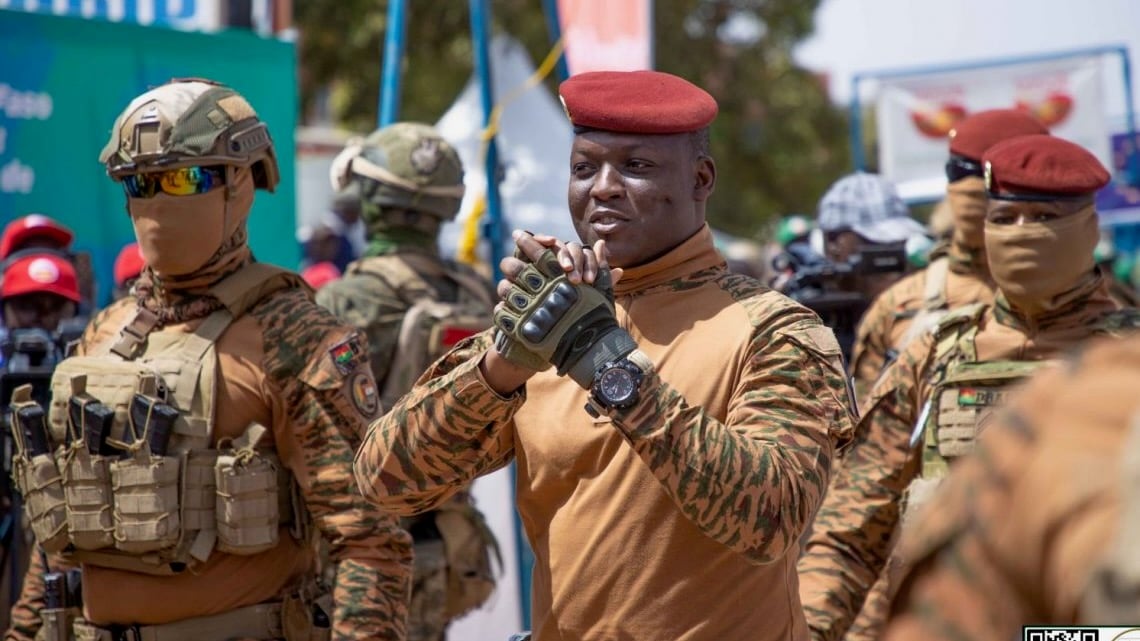
Security and Governance Challenges
The feasibility of the bid faces scrutiny due to the unstable security environment across the Sahel. Burkina Faso, Mali, and Niger continue to face persistent attacks from armed jihadist groups, including factions affiliated with al-Qaeda and the Islamic State. In Burkina Faso specifically, the insurgency has intensified in 2025, with ongoing violence in the Sahel, Est, and Nord regions. Humanitarian conditions remain severe, with more than two million people internally displaced and rising food insecurity.
CAF President Patrice Motsepe addressed the security concerns when asked if the governing body would require specific guarantees before evaluating the bid. Motsepe noted that while the three nations will have as good a chance as everybody else
and would not be disadvantaged by the nature of their current governments, security remains a central issue.
The questions of safety and security… those are questions that we will have to address,
Motsepe said. He added that while no decision has been made regarding the host, CAF must deal with reality,
emphasizing that factors such as democracy and freedom of speech are “critical” and non-negotiable.
Motsepe confirmed he intends to visit the countries to engage on the football-related aspects of the proposal.
Geopolitical Context and International Relations
The bid arrives during a period of significant international realignment for the three nations. Following the 2022 coups, relations between Burkina Faso and Western powers, including the United States and the European Union, have remained strained. Domestically, the military government in Burkina Faso has consolidated power, dissolving political parties and civil society groups. Despite these moves toward isolation from Western diplomatic norms, the state is seeking new economic and security partnerships with Russia and China. While the administrative and political hurdles remain significant, the AES nations have signaled that their cooperation in regional matters—ranging from defense pacts to this new sporting initiative—is intended to foster fraternity without what they describe as outside interference. As CAF begins its assessment process, the bid remains one of several potential options for the 2032 tournament, with the governing body maintaining that it has yet to reach a final decision on the host nation.


