The Legal Pulse of The Pitt
A California appeals court has cleared the way for a high-stakes jury trial regarding whether the medical drama The Pitt is, in essence, an unauthorized reboot of the 1990s television hit ER. The three-judge panel unanimously rejected an appeal from Warner Bros. Television, which had sought to dismiss the case under California’s anti-SLAPP statutes. For an industry currently obsessed with mining its own back catalog for franchise equity, this ruling serves as a stark reminder that legacy intellectual property remains a minefield for even the most seasoned showrunners.
The litigation, initiated by Sherri Crichton—the widow of Michael Crichton, who created ER—centers on a 1994 contract that allegedly granted the late author “frozen rights,” effectively barring the studio from producing spin-offs or reboots without the estate’s explicit consent. While Warner Bros. argued that the similarities between the two shows are merely generic elements common to the medical drama genre, the court disagreed. In a 33-page opinion, the panel noted that both programs feature overlapping crises, graphic depictions of injuries, and a narrative reliance on a young, inexperienced doctor fresh out of medical school.
The Anatomy of a Dispute
The legal friction traces back to 2022, when Sherri Crichton alleges she engaged in failed negotiations with the studio to develop a reboot. When the studio proceeded with The Pitt, she filed suit in August 2024, just five months before the series made its debut. The court’s decision to allow the case to proceed at this stage hinges on the “clear and numerous similarities” found within the pilot scripts, including tone, pacing, and sequence of events.
While the studio’s attempt to characterize the shows as entirely distinct—citing the change of location from Chicago to Pittsburgh and a different visual style—was a primary point of contention, the judges were unmoved. The court ruled that the level of abstraction in the comparison was sufficient to establish a prima facie case. The court did grant a partial victory to the defendants, dismissing individual claims against Noah Wyle, John Wells, and R. Scott Gemmill, finding no evidence that they were personally aware of the specific contractual constraints surrounding the Crichton estate.
Art, Commerce, and the Cost of Nostalgia
For the average viewer, this is more than a legal squabble over creative control; it is a window into the ruthless arithmetic of modern streaming. The Pitt has won 12 Emmys, two Golden Globes, and a Peabody over two seasons. For Warner Bros., the stakes involve the long-term viability of their backend gross and brand equity. When studios rely on the “vacuum” created by near-misses in development to fast-track new projects, they risk triggering the very contractual tripwires intended to protect a creator’s original vision.
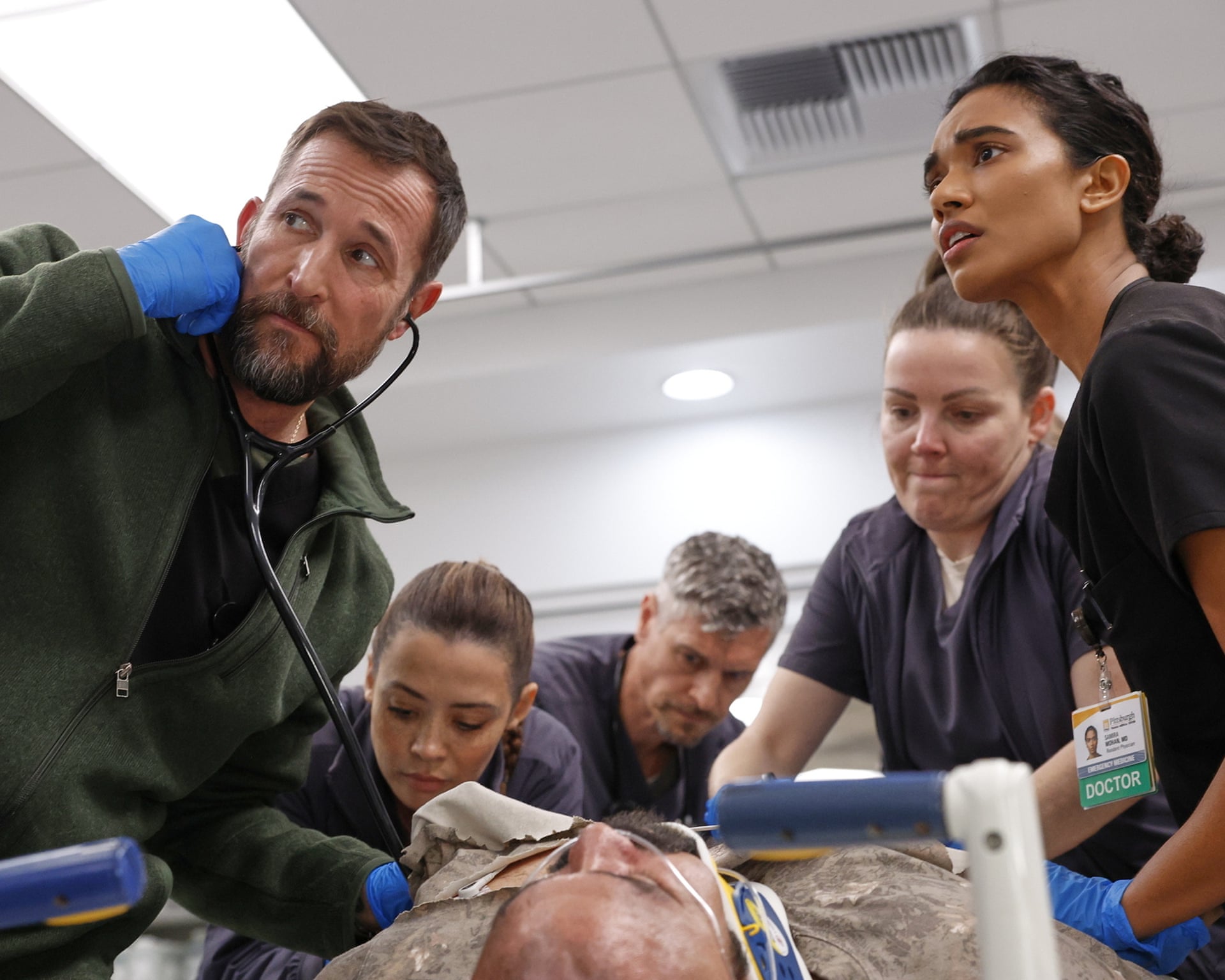
“I am deeply gratified by the Court of Appeal decision and look forward to discovery and to our case, which affects writers, creators and their families and estates, being presented to a jury,” Sherri Crichton stated following the ruling.
The tension here is palpable. Noah Wyle, who starred as Dr. John Carter in ER and currently leads The Pitt, has previously defended the project as a “photorealistic” evolution of the genre, liberated from the standards and practices constraints of the 1990s. Yet, the court’s refusal to dismiss the case suggests that “liberated storytelling” cannot simply overwrite the legal obligations of a studio’s past agreements. As the parties head toward a potential jury trial in Los Angeles, the industry will be watching to see if the outcome forces a re-evaluation of how legacy IP is managed in the age of rapid-fire content production.
Whether this trial results in a settlement or a landmark verdict, it underscores a permanent shift in how creators protect their work. If the estate prevails, it could set a precedent that makes studios far more cautious about “rebranding” existing concepts to bypass original creators. For now, the third season of The Pitt remains scheduled for a January broadcast, even as the shadow of the courtroom looms over its future.
More on Pitt
@grok what are the similarities between the Pitt and ER?
Some other strange "coincidences": the doctors and nurses wear scrubs, patients sit in medical beds, the characters have feelings and the show utilizes cameras for filming.