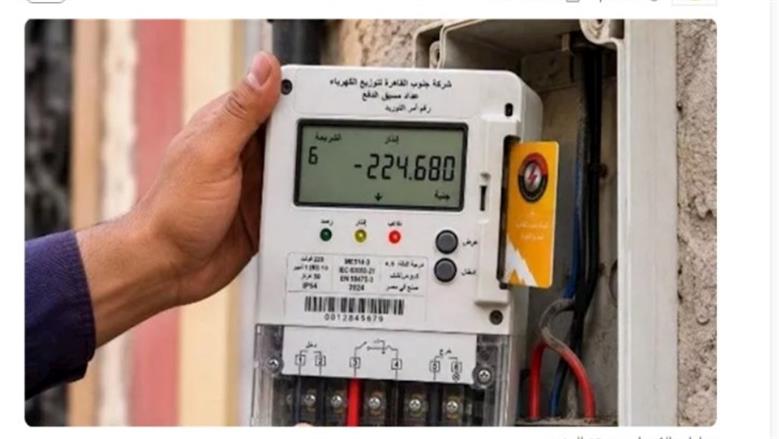
Egyptian electricity consumers facing prepaid card payment failures or high billing brackets can identify underlying technical faults through specific error codes, such as Err 0204, or mobile NFC mismatches. Authorities advise visiting distribution companies for software updates rather than attempting unauthorized fixes.
Prepaid electricity meters occasionally encounter sudden operational glitches that disrupt recharges and card reading processes. Many symptoms point directly to a need for software updates or technical inspections to ensure hardware compatibility with modern charging cards, tariff systems, and collection networks, according to guidelines from the South Cairo Electricity Distribution Company.
Warning Signs Indicating a Meter Software Update
The Egyptian Electricity Holding Company outlines specific indicators on its official social media page that signal a meter requires professional attention. Recognizing these signs early helps prevent sudden outages.

- Error codes appearing on the meter screen, such as Err 0204, which signal a malfunction in the internal memory or card-reading capabilities.
- Persistent card rejections where a valid, balance-loaded card fails to register repeatedly despite being physically intact.
- Mobile recharge failures occurring when utilizing smartphones equipped with near-field communication technology, often producing data incompatibility alerts.
- High tariff bracket persistence at the dawn of a new calendar month, which can stem from improper date, time, or programming configurations.
Consumers observing these indicators should avoid tampering with the device.
Subscribers Choose Between Branch Recharges and Electronic Networks
Subscribers use several distinct avenues for topping up prepaid electricity balances, each carrying specific service scopes and cost structures. Direct recharges at electricity distribution company branches allow consumers to add credit while simultaneously reviewing technical data and meter settings through available administrative procedures.
This venue remains the most appropriate choice when facing card damage or hardware malfunctions requiring professional diagnosis. Conversely, electronic payment networks like Fawry and Aman offer convenient alternatives for routine top-ups without visiting a physical utility office, though these digital outlets cannot resolve underlying technical meter faults.
Mobile applications using NFC technology provide another layer of convenience, though compatibility varies by card type and software version. Costs also fluctuate based on the chosen medium, because electronic payment operators frequently apply transaction fees. Consumers are advised to verify the total payment against the actual credit added to the card before finalizing any transaction.
Required Actions When Technical Failures Occur
When recharges fail or error prompts appear, subscribers should bypass repeated card insertions and initiate formal reporting procedures. The appropriate steps include filing an inspection request at the local electricity distribution branch, contacting customer service channels, and presenting the physical card alongside the displayed error message to a specialized technician.