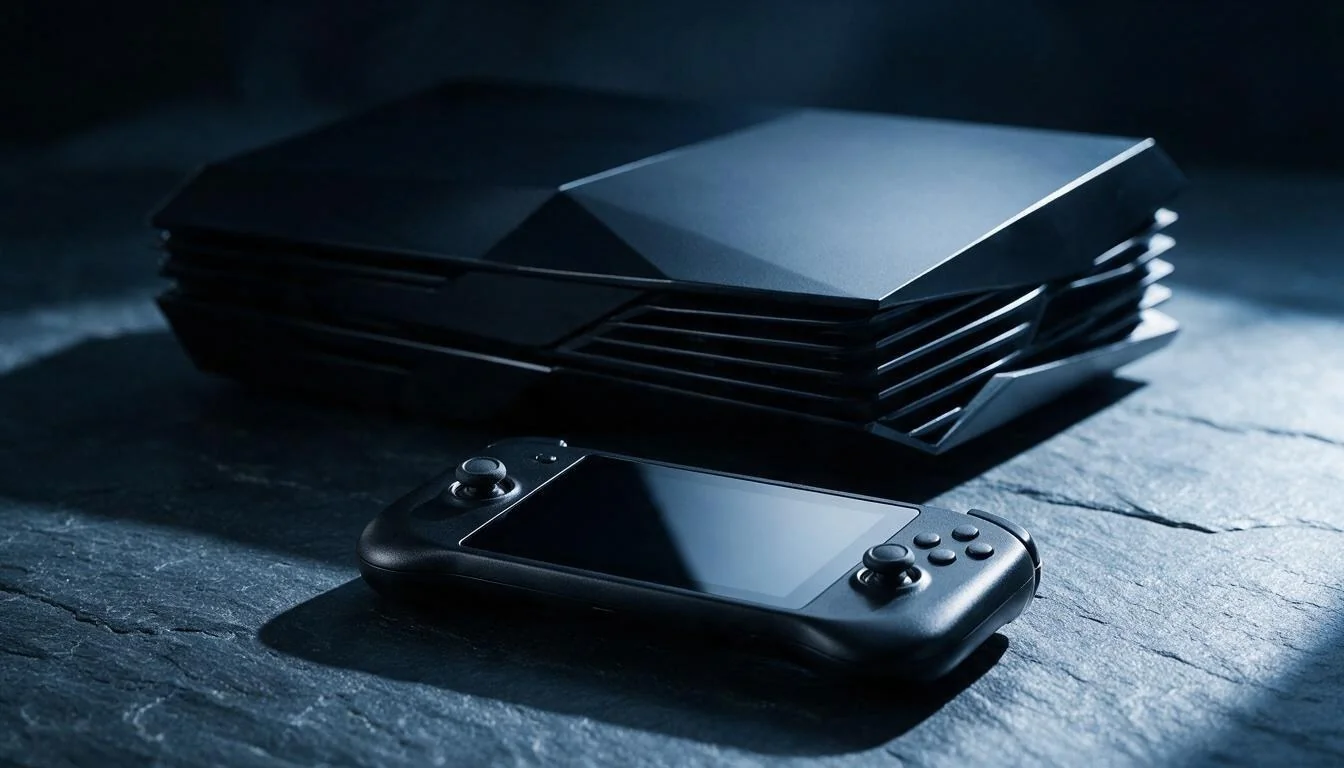
Microsoft is internally projecting a price between $1,200 and $1,800 for its next-generation console, internally codenamed Project Helix, which is targeted for a 2028 holiday launch. The company also plans to release a new handheld gaming device by the 2027 holiday season, according to reports detailing a broader strategy shift under Asha Sharma.
Project Helix May Cost Between $1,200 and $1,800
Internal projections for the upcoming Project Helix console have placed the estimated cost to consumers between $1,200 and $1,800. While these figures were revealed in a recent profile of Asha Sharma, sources stress that they represent internal estimates rather than confirmed retail pricing. Microsoft has not publicly verified the numbers, and the company could choose to subsidize the hardware to lower the final cost at launch.
The reported price range represents a significant departure from historical Xbox hardware costs. For context, the Xbox Series X arrived at $499 in 2020, with the Series S launching at $299 as a budget-tier companion. Industry observers note that the rising cost of memory and other internal components has placed immense pressure on the manufacturing budgets of console makers. If the $1,200 to $1,800 range is implemented, Microsoft would be the first of the three major console makers to explicitly target enthusiast PC-gaming price territory with a console-branded product.
Intriguing. Xbox is hiring an "Xbox Physical Games Strategist" to secure Xbox's supply chain for physical games … No mention of discs though … is Xbox exploring something unique for Helix?https://t.co/PFCrjM74yo 🤔🤔🤔
Microsoft positions Project Helix as a very premium, extremely high-end
device comparable to a high-performance gaming PC. The company has stated the machine will allow users to play existing Xbox and PC games. To meet its targets, Microsoft has reportedly pressured the hardware team to move up Project Helix engineering deadlines by at least several months, utilizing AI tools where applicable to accelerate the process.
Handheld Hardware Strategy for 2027
Before the console arrives, Microsoft reportedly aims to release a next-generation handheld device by the 2027 holiday season. The new handheld is expected to be a first-party device. Asha Sharma has described Helix as a “family” of gaming devices, suggesting the handheld may be the first member of this group.
According to a report from Fortune, #ProjectHelix could be pricier than expected, around $1200-$1800 USD. Plus, we'll likely see the console release by "Christmas 2028". 🎄 Source: GamesRadar | Learn More: https://t.co/pjpVZmlnvk pic.twitter.com/mYtQxux9VE
The development of the handheld has reportedly caused internal friction regarding software. According to reporting from Windows Central, leadership within the Windows division favored using a modified version of Windows Home, while the Xbox team sought to build a proprietary, gaming-focused OS experience. The conflict reached a point where a senior executive reportedly threatened to cancel the handheld project entirely before the Xbox team gained control over the operating system’s direction.
Microsoft’s Xbox CTO, Scott Van Vliet, took to X to refute these claims, stating that the report misrepresents both the technical work and the relationship between the teams.
Despite this, Fortune reports that Xbox is now largely controlling the direction of the operating system for the project.

We can’t build Helix on our own.
Xbox Cuts Thousands of Jobs Amid Financial Pressure
The hardware roadmap is part of a broader reset for the Xbox division, which has faced significant financial pressure. This financial strain exists alongside a reported revenue of roughly $21 billion. The division is currently undergoing a massive workforce cut of thousands.
Helix OS is being built on Windows, and the XBOX and Windows teams are working closely together on the next generation of devices. The account cited here misrepresents both the technical work and the relationship between the teams.
Under the leadership of Asha Sharma, Xbox is attempting to regain trust through “brutal honesty” regarding past failures. This restructuring includes the reworking of Xbox Game Studios and the creation of new divisions: Xbox Labs, which uses AI for experimentation and porting retro games, and an XP transmedia division dedicated to bringing game IPs to other media.
According to unnamed insiders, the service may shift to a tiered structure where subscribers pick and choose add-ons for console-only games, cloud gaming, and multiplayer.
A new report claims that Microsoft is working on an Xbox handheld for 2027, followed by an Xbox Helix console in 2028 that could cost between $1,200 and $1,800.https://t.co/p1gZTI481GMore interestingly, the report suggests the Windows and Xbox teams have clashed over the…
More on Asha Sharma
Xbox reportedly intends to release its next-generation console in 2028 Xbox reportedly projecting the console to cost $1,200 – $1,800, unless the company subsidizes some of the cost Source: Fortune Magazine pic.twitter.com/vtIAU2FKVh
Microsoft's Project Helix has reportedly been internally projected to cost between $1200 to $1800 alongside a 2028 launch, with a handheld said to follow in late 2027. https://t.co/BsklrQLoWN