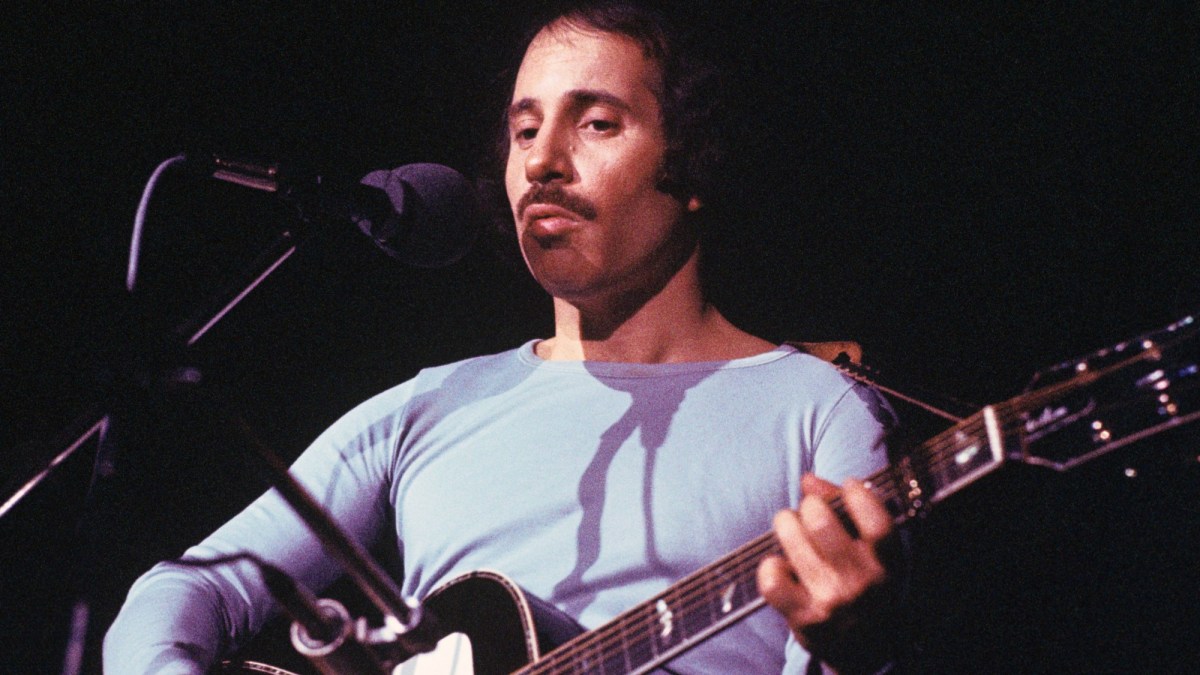
When Paul Simon Put Two Future Roches on a 1973 Track
When music fans unpack Paul Simon’s catalog, “Was A Sunny Day” rarely heads the list of masterworks. A lighthearted track tucked inside his 1973 release There Goes Rhymin’ Simon, the song registers as a minor lark about sudden romance. Yet the recording holds a distinct footnote in music history, featuring the earliest recorded refrains of Maggie and Terre Roche long before they forged their own path as a critically beloved trio.
That the sisters had been singing together since childhood in New Jersey before dropping out of high school to chase a New York music career. In the early 1970s, they landed in a songwriting workshop led by Simon, who had recently parted ways with Art Garfunkel to launch his solo career. Recognizing their instinctive, tight harmonies, Simon took the young singers under his wing, encouraging them to master instruments and study composition.
From Studio Tagalongs to Columbia Records
When Simon headed out on location to record There Goes Rhymin’ Simon, Maggie and Terre tagged along, securing their first major break by providing backing vocals on “Was A Sunny Day.” Their harmonies gave the breezy track its most memorable sonic anchor. The sisters even appeared in a photograph on the inside sleeve of the original vinyl LP, granting them crucial early exposure within the industry.
Armed with that momentum, the Roche sisters secured a deal with Columbia Records—the very label home of Paul Simon. However, their 1975 debut album, Seductive Reasoning, did not go according to plan. Frustrated by the label’s attempts to market them based on manufactured sex appeal rather than raw musicianship, the sisters swiftly walked away from the label shortly after the record debuted to minimal fanfare.
The Roches Secure Creative Control and Critical Acclaim
Undeterred by the corporate misstep, the sisters regrouped when their sibling Suzzy joined the fold, officially cementing their identity as The Roches. They cultivated a fiercely loyal following through gritty live performances across New York City venues, eventually securing a fresh record deal that allowed them creative control.
“Hammond Song,” a standout track from their self-titled 1979 album, served as a thinly veiled retelling of their bruising initiation with Columbia. Produced by Robert Fripp of King Crimson, the LP earned widespread critical acclaim and rave reviews.
Simon remained a steadfast supporter throughout their career trajectory. He later helped orchestrate an appearance on Saturday Night Live to boost their profile, ensuring that the sisters’ idiosyncratic harmonies would endure across decades of distinct, uncompromised music.
Disclaimer: The cultural analyses and financial data presented in this article are based on available public records and industry metrics at the time of publication.