Smart TV owners frustrated by intrusive advertising and background tracking are turning to artificial intelligence coding agents in October 2026 to strip out system bloatware, remove sponsored banners, and replace sluggish home screens with clean, streamlined interfaces.
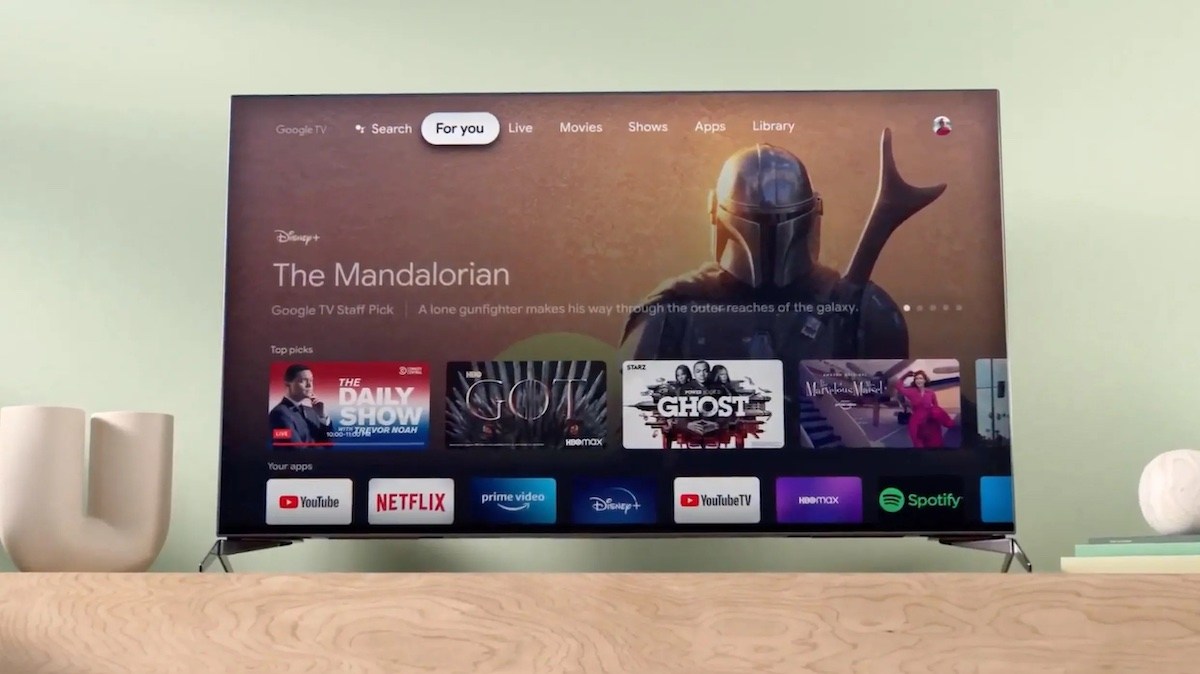
Modern televisions have increasingly evolved into living room billboards. Turning on a contemporary screen often means waiting out sponsored banner ads, using preloaded applications that cannot be uninstalled, and contending with interfaces designed to prioritize monetization over simple playback. Behind the visible clutter runs Automatic Content Recognition, a technology that monitors viewing habits by capturing audio and video fingerprints from built-in apps, live broadcasts, and external devices connected through HDMI ports.
Using Claude Code and ADB to Strip Xiaomi and Sony Displays of Bloatware
Frustrated by these constraints, developers and hobbyists have begun utilizing AI coding assistants like Anthropic’s Claude Code to modify their television operating systems. The movement gained momentum after developer Gathin T. shared his experience overhauling a Xiaomi TV over Wi-Fi that displayed an unskippable advertisement before streaming apps could load.
Vibe coded my parents' TV this afternoon!It was showing a sponsored ad before you could even get to Netflix. Gave Claude Code the model number, it found the TV on wifi, removed 25 Xiaomi packages and wrote a new launcher.Looks like an Apple TV now lol pic.twitter.com/E5Q4A1b0yI
— https://x.com/gathint/status/2111379569030939102
By communicating with the television through the Android Debug Bridge, the coding assistant removed 25 software packages and built a replacement home screen. Similar methods have since been applied to devices from manufacturers including Sony, TCL, Philips, and Hisense, as well as Nvidia Shield hardware. Rather than permanently deleting files from system directories, these workflows use reversible commands such as disabling manufacturer telemetry, advertising frameworks, and unrequested update services.
According to Muzammil Yaseen Sabuwala, who recommended using a preferred AI tool alongside a GitHub repository, his own setup was constructed using a combination of DeepSeek, Gemini 4.1 Flash, Claude Opus 5.5, and Claude Sonnet 5.5. Users looking to connect their systems can enable Developer Options on Android TV devices by accessing Settings, going to Device Preferences and About, and pressing OK on Build seven times. Once developer settings are active, the assistant can locate the television over Wi-Fi and communicate via debugging connections.
This is how fast the TV moves now that Claude deleted all the BS laggy bloatware it comes with https://t.co/nUCEjqPwAO pic.twitter.com/g07CEgC1GJ
— https://x.com/doooyle/status/2111247627748565091
Open-Source Toolkits Provide Reversible Display Modifications
To make the process accessible beyond individual command-line scripts, developers have published structured open-source toolkits on GitHub. Among them, the tv-vibehack project developed by Gathin automates package backups, disables analytics over local wireless connections, and deploys a lightweight native launcher designed for budget displays running on limited memory. Another initiative, dumbtv, targets Amazon Fire TV Edition hardware alongside standard Android TV platforms, ensuring that every modification remains fully reversible via a single restore script.
For users wary of deploying automated scripts, alternative manual solutions exist through established home screen replacement applications available on the Google Play Store, such as Projectivy Launcher, ATV Launcher, and FLauncher. These apps let users bypass manufacturer interfaces entirely without requiring technical command-line adjustments.

Consumer Frustration Meets Resistance From Platform Monetization Goals
The grassroots modification trend reflects a widening gap between consumer expectations and corporate business models. Hardware manufacturers frequently subsidize the initial cost of large-panel displays by relying on ongoing revenue generated from home screen advertising and audience data profiling.
| Platform or Report | Finding on TV Advertising and Home Screens |
|---|---|
| TiVo Q4 2025 Video Trends Report | More than one-third of respondents reported excessive advertising on their TV home page. |
| Roku 2025 Annual Report | Named making more money from its home screen as a key growth initiative. |
This reliance on ad-driven software has left television owners searching for alternatives. However, experts and community participants warn that using AI agents for system-level modifications carries genuine risks. An automated agent can misinterpret package lists or disable critical system services, leading to unstable performance or completely bricked hardware.
Your TV should do what you paid for: your apps, your HDMI inputs, and nothing else. No ads from the TV itself, no watch tracking, no update you did not ask for. dumbtv applies that over ADB from another machine — no root, nothing written to /system, every step reversible with one script.
dumbtv project maintainer, via TechCrunch
Compatibility also remains inconsistent across different hardware architectures and firmware implementations. Platforms operating on proprietary software ecosystems, such as Samsung’s Tizen and LG’s webOS, are incompatible with these Android Debug Bridge scripts. As developers continue refining their prompts and expanding support for additional models, the phenomenon highlights a broader consumer demand for hardware that respects user control over built-in commercial tracking.
Hacked my TV with Claude Code todayNo more ads, bloatware, spyware or laggy UII also got a beautiful screensaver with my revenue, calendar, weather, and notifications for new Stripe paymentsIt was super easy! I sent it the listing for my tv, asked "can you hack this?" And… pic.twitter.com/OkMZkYaqAu
— https://x.com/doooyle/status/2111196679680540724
More on Android Debug Bridge
This was super easy to do, Now my tv running super smooth same as new one- Added my own lightweight UI – custom wallpaper slideshow- switch between hindi/english for my parents- github contribution chartand bunch of other feature i have in mind to try on my tv https://t.co/oC9xD9r0FM pic.twitter.com/bKn3rhX2Q1
— https://x.com/0xYash_Jain/status/2111846001975894235
What a life saver!Our google TV is bloat-free now :D@anirudhamudan spent some time in deploying this and we’re making a few more tweaks to make it more personal as well. AI has opened more avenues than we could have ever thought of. https://t.co/G7eDE2ZSyE pic.twitter.com/EsMvzrotgS
— https://x.com/sudeepsd_/status/2111825786001088592
people are using AI to build apps, but you can even use it to bring an old TV back to life 👀one afternoon with Claude Code, and suddenly a slow, bloated TV becomes something cleaner and faster.25 bloat apps disabled, a lighter custom launcher, and rotating wallpapers.this… pic.twitter.com/1dFIchGFLv
— https://x.com/draven_onchain/status/2112239765206819083
Don't have Claude Code? You can still speed up your Android TV!We've put together an interactive, step-by-step ADB guide with:✅ Commands for popular TV brands✅ Copy-ready debloat commands✅ Ad blocking and launcher tweaks✅ Steps to undo any changesNo root or AI… https://t.co/JmSZ5rnAOW
— https://x.com/rajupp/status/2112016574752469088
Full walkthrough is up! How to turn on developer mode, connect Claude Code to your TV, and let it switch off the bloatware and build a clean new home screen. One free prompt, No new TV. (full video on YT) https://t.co/wgYhSRTcvt pic.twitter.com/rV0phWyZD2
— https://x.com/justansub/status/2111853155596300680
Damn, that was smooth! My Sansui Google TV feels soooo much better now.The entire process took just 25 minutes, all with a single prompt.Long live open source. Long live AI! 🚀Attached Before & After. https://t.co/9pjVz2P5Fx pic.twitter.com/yZvxevC5fS
— https://x.com/shubham_habib/status/2112145618273800443
introducing dumbtv- no spying- no ads from tv- fully customisableto setup just point your agent to this repo – https://t.co/prQLD17Wa4 https://t.co/z41SWJZVXt pic.twitter.com/c6R8EhljiA
— https://x.com/DevMuzzammil/status/2111912547318395338