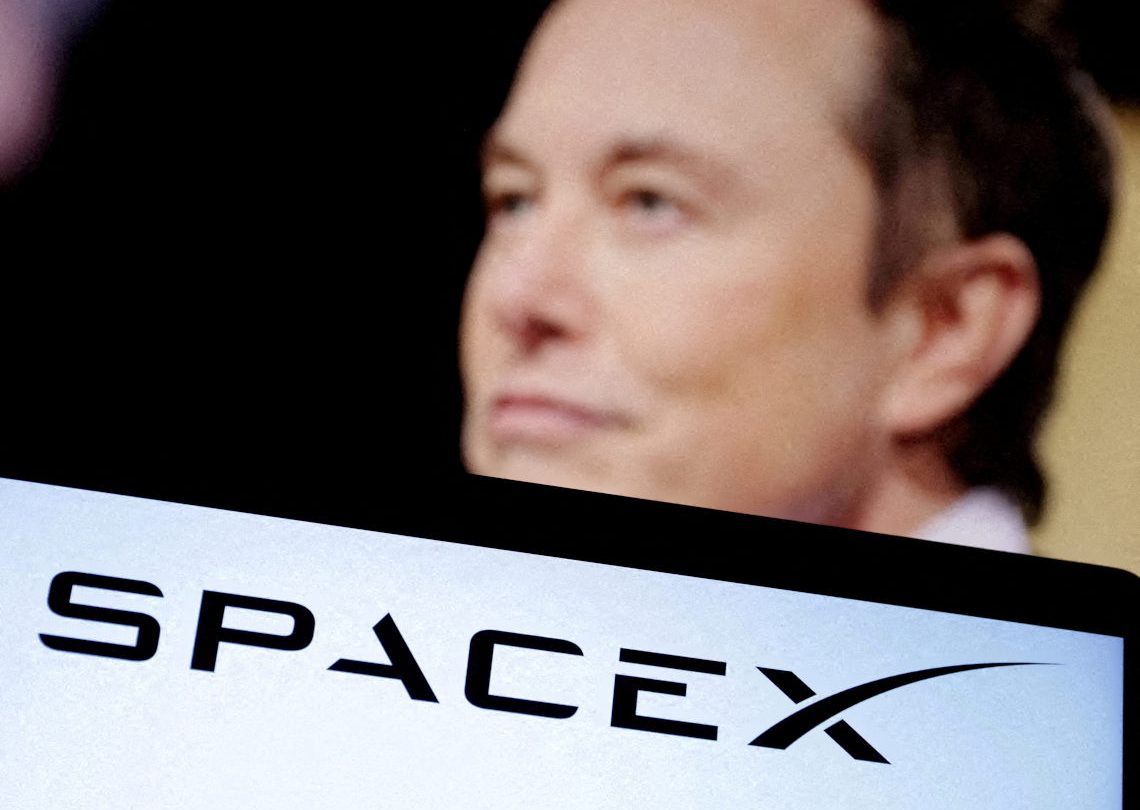
Elon Musk confirmed that special committees are formally evaluating a merger between SpaceX and Tesla, describing the union as a good idea during a conference call on October 20, 2026. The discussions follow surging artificial intelligence revenue at SpaceX and growing operational overlap between the two firms.
Special Committees and Formal Talks
Elon Musk revealed during an investor conference call on Tuesday, October 20, 2026, that special committees had been formed to discuss a union between his two companies. The confirmation marked the first public acknowledgment that SpaceX and Tesla are formally exploring a merger.
I think it would be a good idea, but it’s really up to the special committees of both companies,
Musk told investors, according to reports from Rappler. He added that the independent directors on those committees were established at the request of shareholders.
Because of his position across both entities, Musk stated, Because I'm a conflicted party, I can't actually be in the discussions of the special committees.
Speculation regarding a deal intensified prior to the announcement, with Barclays suggesting an agreement could emerge before Tesla’s annual meeting in December.
Musk Could Gain Majority Voting Power
At the time of the merger announcement, SpaceX and Tesla had market valuations of about $2 trillion and $1.5 trillion, respectively, according to Source 3.
The ownership structure presents distinct dynamics for Musk. While he holds nearly 20 percent of voting power at Tesla, regulatory filings indicate he controls more than 82 percent of voting power at SpaceX. Combining the entities under negotiated terms could grant him a majority of shares eligible for voting in the combined corporation.
In my opinion, 100%. It’s just a question of when.
David Nicholson, Chief Technology Advisor at The Futurum Group, via BBC
Any transaction requires significant approval thresholds. Musk noted that 50 percent of all Tesla shareholders would need to vote in favor of the deal, which remains contingent on the special committees reaching an agreement on transaction terms.

AI Revenue Drives SpaceX Financial Growth
The proposed merger arrives as SpaceX undergoes a financial transformation driven by artificial intelligence. For the three months ended September 30, SpaceX reported that its revenue climbed 161 percent to $14.58 billion. AI revenue surged to $7.56 billion, primarily derived from renting data-center capacity to developers such as Alphabet’s Google, Anthropic, and Reflection AI.
Capital expenses nearly tripled to $19.6 billion as compute infrastructure expanded. Chief Financial Officer Bret Johnsen indicated that the company anticipates between $35 billion and $40 billion in capital expenditures for the fourth quarter.
The story now is all about AI. The compute contracts signed earlier this year are turning into revenue faster than a lot of people thought.
Will Rhind, CEO of GraniteShares, via Rappler
SpaceX posted net income of $4.4 billion for the quarter, reversing a net loss of $1.1 billion from a year earlier.
Terafab Joint Venture Targets Chip Production
Musk pointed to broader technological alignment as a driving factor for the union, citing cooperation on superintelligence software, chip design, robotics, connectivity, and mass-to-orbit operations through the Starmind constellation. A joint venture named Terafab aims to produce its first test chip around May or June of next year, targeting volume production by the third quarter of 2028.
Despite potential synergies between Tesla’s vehicle and robotics manufacturing and SpaceX’s rocketry and satellite communications, analysts and market researchers emphasize substantial operational hurdles. SpaceX maintains heavy involvement as a contractor for NASA, the US military, and intelligence agencies, while Tesla relies significantly on its factory in Shanghai, China, raising potential regulatory and geopolitical scrutiny from authorities in Washington and Beijing.