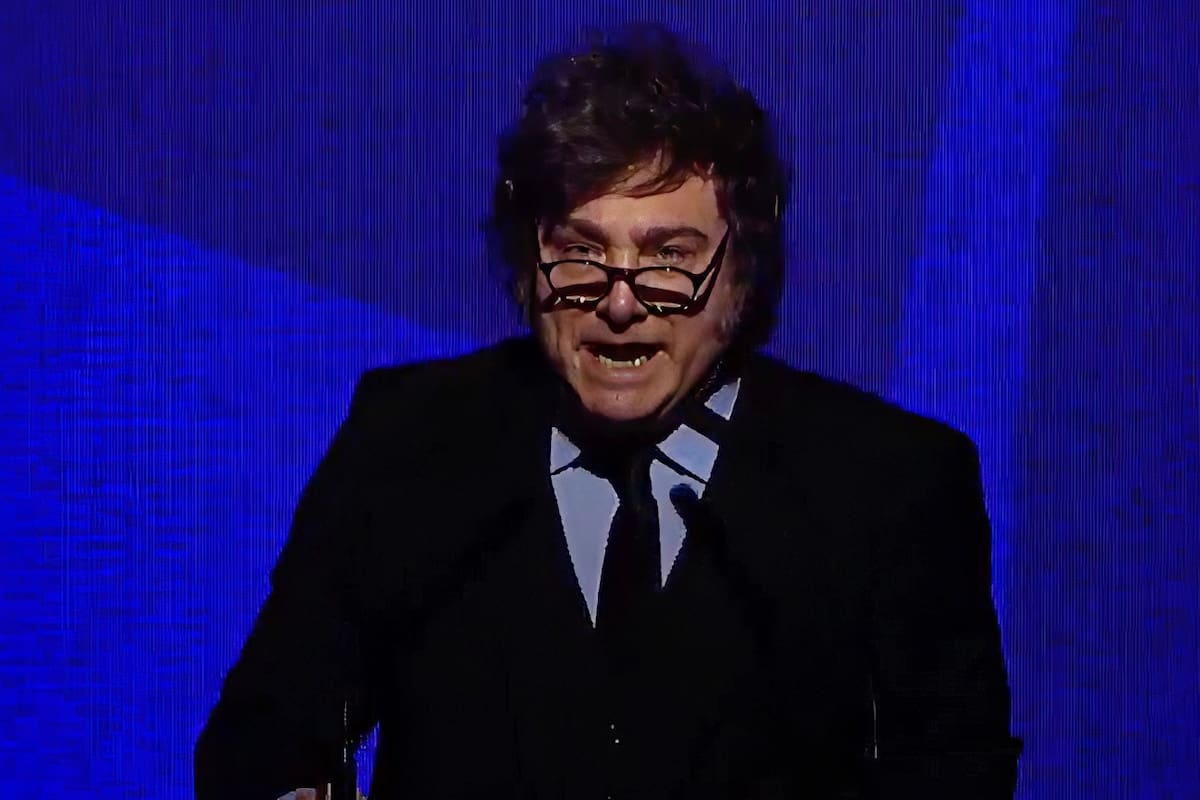
Amnistía Internacional announced plans on October 26, 2026, to file formal complaints against Argentine President Javier Milei before the United Nations and the Inter-American Commission on Human Rights following his verbal attacks and violent rhetoric targeting journalists who investigated the crypto-currency controversy involving $LIBRA.
Escalation at Fundación Faro and the Crypto Investigation
The international human rights organization moved to international bodies after the president delivered a speech at Fundación Faro and during a subsequent radio interview where he singled out and berated several prominent investigative reporters. The journalists targeted—Hugo Alconada Mon, Carlos Pagni, Paulino Rodrigues, Natalia Volosin, and Luis Novaresio—had covered the $LIBRA cryptocurrency promoted by Milei in February 2025 that later collapsed amid severe controversy.
During the Fundación Faro event, the president dismissed the reporters as corrupt, payroll-backed mercenaries of lies and serial fabricators of operations
(corrupt, payroll-backed mercenaries of lies and serial fabricators of operations). Shortly after those remarks, he uttered a violent statement regarding his critics, declaring according to La Nación, Misiones Online, Cba24n, and Los Andes that those who need to be burned at the stake are the sons of bitches
.
Javier Milei, President of Argentina

Amnistía Internacional categorized the rhetoric as an inadmissible escalation of hostility from the executive branch that risks fostering an environment ripe for further aggression against the press.
Complaints Filed with the United Nations and the Inter-American Commission
The organization confirmed that its legal submissions to the United Nations and the Inter-American Commission on Human Rights will formally register this deterioration of expressive freedoms in Argentina. While the international procedures do not carry a strict procedural deadline for a final ruling, the mechanisms involve notifying the respective Special Rapporteurs on Freedom of Expression.
Under the framework of the American Convention on Human Rights, the commission possesses the authority to issue communications requesting formal information from the Argentine state. A parallel procedure applies within the United Nations system, where the relevant Special Rapporteur holds powers to issue inquiries to the government.
Representatives clarified that the filings do not constitute individual lawsuits on behalf of the named journalists, as domestic legal remedies inside the country must be exhausted before bringing individual petitions.
Precedents and FOPEA Monitoreo Data on Press Hostility
To contextualize the urgency of the new complaints, the human rights organization turned to figures compiled by the Foro de Periodismo Argentino. The monitoring group recorded 278 attacks against the press throughout 2025, representing a 55% increase over the previous year and the highest annual tally since recording began in 2008. Minuto Uno noted that this total marked a 55% surge compared specifically to 2024.
| Metric Category | Recorded Figure |
|---|---|
| Total Press Attacks in 2025 | 278 incidents |
| Attacks Directly Attributed to Milei | 119 incidents |
| Stigmatizing Public Speeches | 139 cases |
| Judicial Demands Against Journalists | 20 cases |
| Restrictions on Access to Official Information | 28 cases |
The findings identified the president as the primary individual aggressor, directly responsible for 119 of those recorded incidents. The wider documented pattern also encompasses restrictions that barred accredited journalists from accessing Casa Rosada—noted by Los Andes as occurring in April—as well as executive-led judicial actions against critical commentators.
Mariela Belski on Democratic Debate and Autocensorship
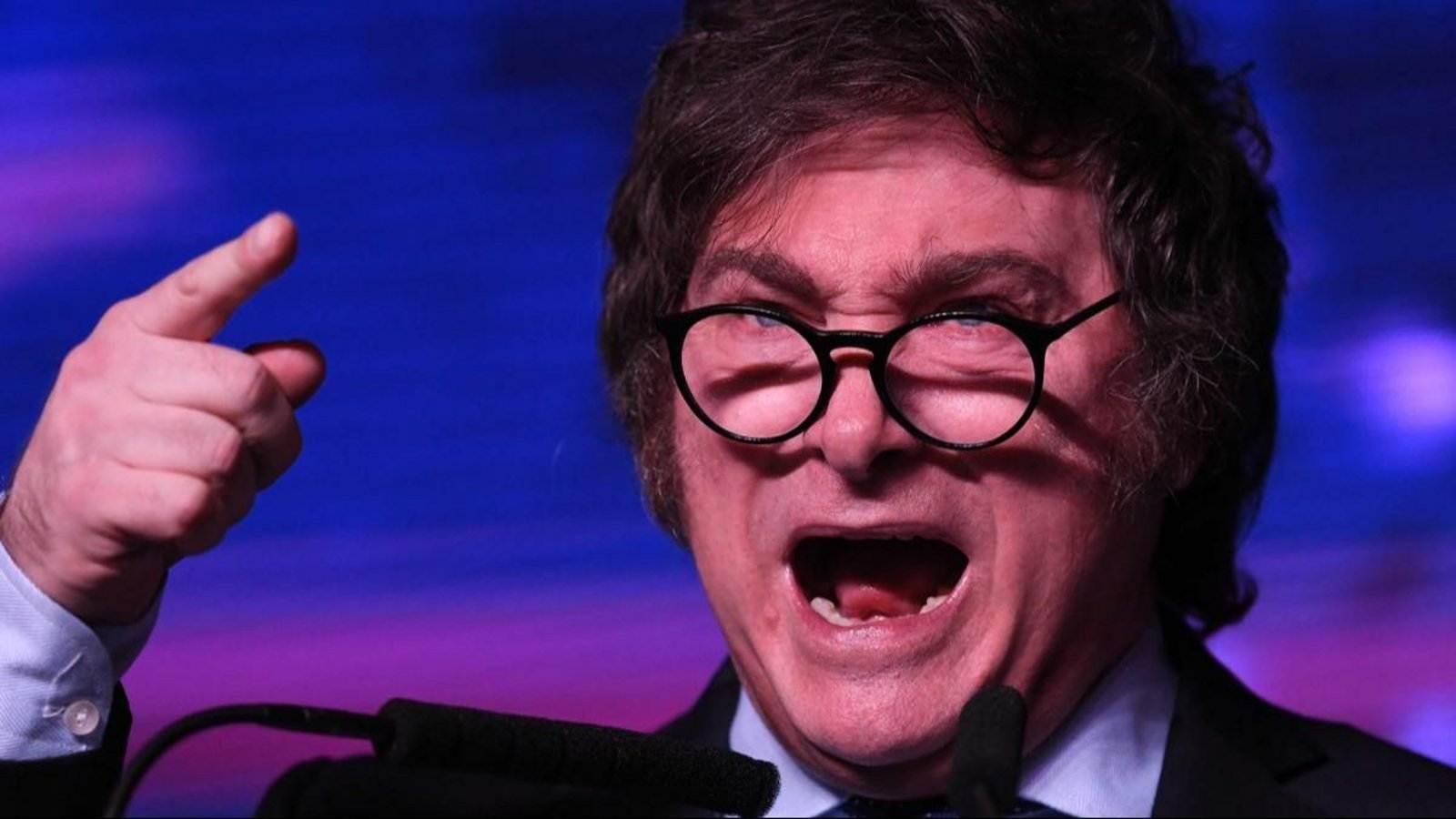
Mariela Belski, executive director of Amnistía Internacional Argentina, emphasized that the presidential office carries a heightened duty to safeguard public debate rather than stifle independent scrutiny, stating that his investiture demands a reinforced responsibility to guarantee that the press can investigate and report with freedom and security.
Mariela Belski, Executive Director of Amnistía Internacional Argentina
Belski warned that continuous hostile rhetoric from the highest levels of government sends a chilling message to the entire society, encouraging self-censorship and discouraging investigative reporting on matters of crucial public interest.