As diplomatic efforts intensify to avert renewed conflict in the eight-month U.S.-Iran war, Tehran announced it could reopen the Strait of Hormuz within two days if Washington meets core demands, while regional mediators push for a lasting settlement ahead of U.S. midterm elections.
Tehran Conditions and the Strait of Hormuz Proposal
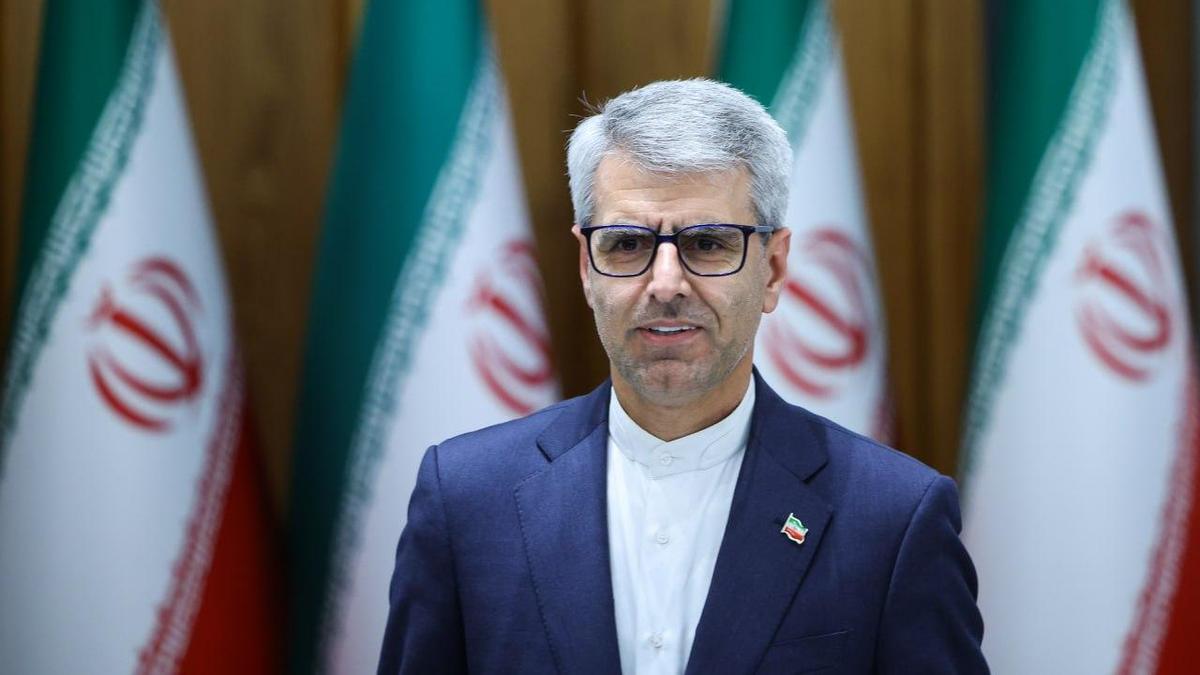
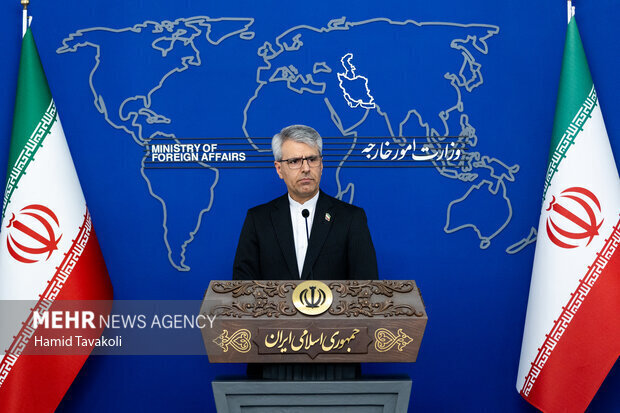
Iran has signaled readiness to restore security to the Strait of Hormuz within a compressed two-day window if the United States agrees to concrete terms. Foreign Ministry spokesman Esmaeil Baqaei briefed reporters that the proposal builds upon an earlier seven-day plan presented to Washington through Qatari intermediaries in September.
The conditions demanded by Tehran include a permanent halt to the war on all fronts, the unfreezing of Iranian assets, the lifting of oil sanctions, and the termination of the U.S. naval blockade against Iranian ports. The ball is in the U.S. court, because our demands have been stated very clearly and transparently, and Iran’s demands are reasonable and logical,
Baqaei stated during a press briefing in Tehran.

Control over the narrow maritime passage remains a vital point of influence. The waterway historically carried approximately one-fifth of global energy supplies before hostilities began on February 28. While U.S. Central Command leadership has maintained that thousands of commercial vessels continue to transit the route under military escort, regional reporting highlights ongoing maritime friction, including reports from Iranian state media of 11 oil tankers catching fire in the area over a nine-day stretch. The Iranian regime maintained control over Hormuz since the war started in February, regularly targeting vessels that attempt to transit without authorization. In parallel, American forces blockaded Iranian harbors, and starting in August, Washington instituted another package of punitive actions termed the economic asphyxiation of Iran.
Iranian Foreign Minister Abbas Araghchi stated that negotiations were proceeding very intensively, though everything depends on the U.S. side. He noted that a proposal had been reached at this stage that reduces the implementation period to two days, while adding that Tehran’s conditions for a deal to end the war remain the same. Following a directive by the Israeli Supreme Court compelling the state to reinstate information sharing and permit prison access, the International Committee of the Red Cross resumed receiving rosters of Palestinian captives hailing from Gaza and the occupied West Bank.
According to Tasnim, Rezaei thanked Russian President Vladimir Putin for Moscow’s support amid the war. President Trump kept his intentions on Iran ambiguous while diplomatic efforts sought to avert a return to all-out war. During this period, a World Food Program worker died in Houthi custody in February 2025, and another strike in Gaza City killed three people, including a 4-year-old boy named Yazan, and seriously wounded a woman, according to Shifa Hospital, which received the casualties. Mohammed Oweis carried the body of his young son during a funeral in Gaza City. The Israeli military stated it struck several militants in Khan Younis as well as one Hamas militant in northern Gaza. A ceasefire in October 2025 has largely halted major fighting, but near-daily Israeli strikes have continued.
Diplomatic Mediation in Qatar and Regional Security Concerns
Intensive indirect talks hosted in Doha over a tense 72-hour period concluded when an Iranian delegation departed from Qatar. Mediators from Qatar, Pakistan, and regional powers have been working to establish a diplomatic offramp, even as intelligence assessments and media reports indicate the U.S. military and Israel have planned for potential strikes following Tuesday’s midterm elections. With the impending midterm elections on Tuesday breeding widespread uncertainty, Doha has spearheaded frantic diplomatic efforts over the past three days to avert fresh American military strikes against Iran, leaving the wider Gulf area on edge.
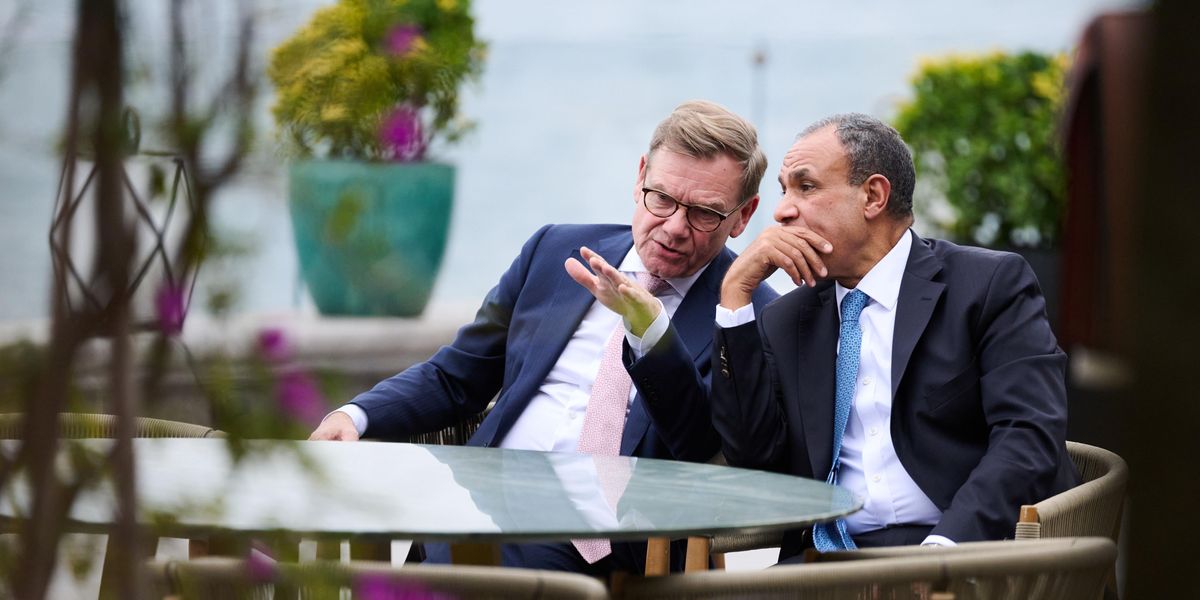
The regional stakes have drawn active engagement from neighboring governments. Egyptian Foreign Minister Badr Abdelatty warned a gathering in Bahrain that any subsequent military escalation will be more dangerous, more destructive, and it will lead to nowhere.
Qatar is tirelessly working on a diplomatic offramp with the region’s backing while Israel is looking for military ways to throw the region under the bus.
Andreas Krieg, professor at King’s College London, via PBS
Chinese President Xi Jinping told Oman’s sultan that the Middle East Gulf region should not become an arena for great-power rivalry and geopolitical conflict, according to a readout from China’s Foreign Ministry. Meanwhile, the Russian Foreign Ministry described reports of pending strikes as alarming.
Political Pressures Surrounding U.S. Midterms and Regional Stances
The diplomatic push coincides with high-stakes political calendars in Washington and Jerusalem. President Donald Trump has maintained an ambiguous public posture regarding future military action, telling reporters he weighs whether to strike or finalize a deal while referencing potential action after the congressional midterms. At a campaign rally, Trump struck a belligerent tone, warning Iran to expect the hammer, and stated that there would not be a strike against the Islamic Republic today.
Within Iran, leadership has combined diplomatic messaging with military warnings. Following meetings with military chiefs, the new supreme leader, Ayatollah Mojtaba Khamenei, emphasized preparedness to counter any kind and level of threat from the United States. Mohsen Rezaei, secretary of Iran’s Supreme National Security Council, acknowledged receiving a letter from U.S. Vice President JD Vance but indicated he had not yet responded, while warning that any renewed offensive would trigger severe countermeasures utilizing newly developed weapons systems. Reporting contributions for these developments were provided by Victoria Eastwood in Cairo, Kanis Leung in Hong Kong, and Katie Marie Davies in London.