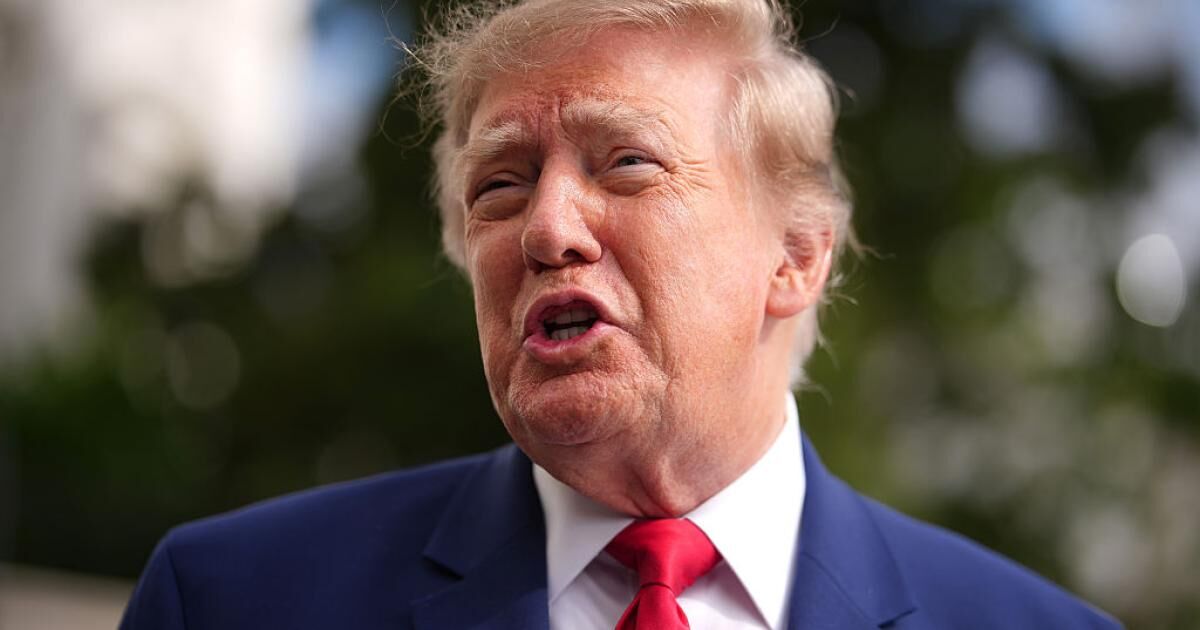
Donald Trump mocked the prevalence of the name Mohammed in the Middle East during an Oct. 17, 2026, campaign rally in Dalton, Georgia, claiming a 65% guessing success rate. The remarks drew sharp rebukes from civil rights groups denouncing anti-Muslim rhetoric ahead of the midterm elections.
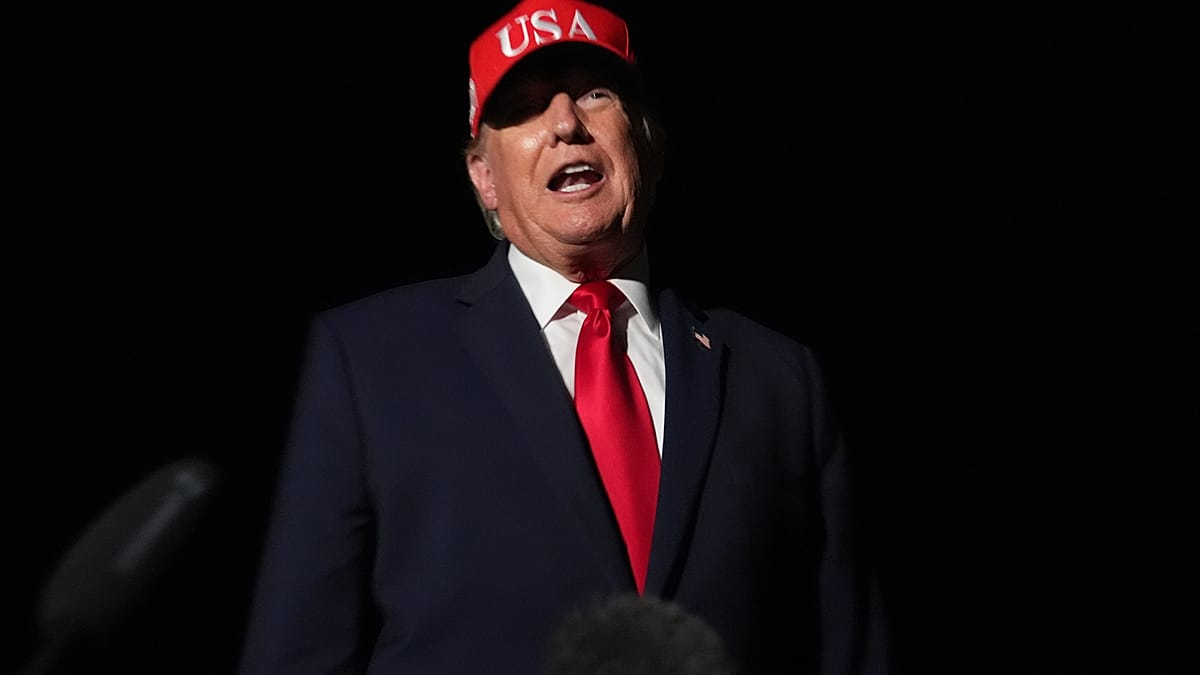
Speaking to a crowd of supporters inside an airport hangar in Dalton, Georgia, Donald Trump used a campaign appearance on Friday to mock the popularity of the name Mohammed across the Islamic world. The remarks came as part of a wider tangent on Iranian politics during a rally organized to support Republican midterm candidates ahead of the Nov. 3 elections.
The crowd in Dalton responded with a lukewarm and unenthusiastic reaction to the joke. Mohammed remains one of the most common male names among Muslims globally, given to boys in honor of Islam’s prophet.
Attacks on Iranian Leadership and Midterm Context in Dalton
The remarks on nomenclature doubled as a theatrical critique of the Iranian government. Trump asserted that Iran is the only country where nobody wants to become president, before pantomiming an interaction where he asked imaginary individuals named Mohammed whether they would accept the post. Masoud Pezeshkian has served as Iran’s president since 2024.
In the same address, Trump reiterated his commitment that Iran will never obtain a nuclear weapon, referencing the military campaign launched seven months prior by the United States and Israel to degrade Tehran’s nuclear program.
Civil Rights Condemnation Over Anti-Muslim Rhetoric
Civil rights advocates and Muslim advocacy organizations swiftly condemned the speech, pointing to the remarks as part of a wider pattern aimed at demonizing the Muslim community, immigrants, and ethnic minorities during a charged electoral cycle. Human rights defenders emphasized that such rhetoric reinforces negative stereotypes and deepens societal divisions across the United States. Observers noted that the systematic escalation of hostile language targets political figures and candidates from minority backgrounds, seeking to undermine their public standing.
In an earlier Truth Social post referenced by monitors, Trump labeled Abdel Rahman El-Sayed as an Islamist sympathizer unfit for American politics. Meanwhile, an annual report published by the Council on American-Islamic Relations previously attributed the rise of Islamophobia in the United States partly to immigration policies and official crackdowns on protests supporting Palestinian rights during his second presidential term.