“The Filipino people deserve an answer,” Jean Encinas-Franco told DW, “The Filipino people deserve justice.”
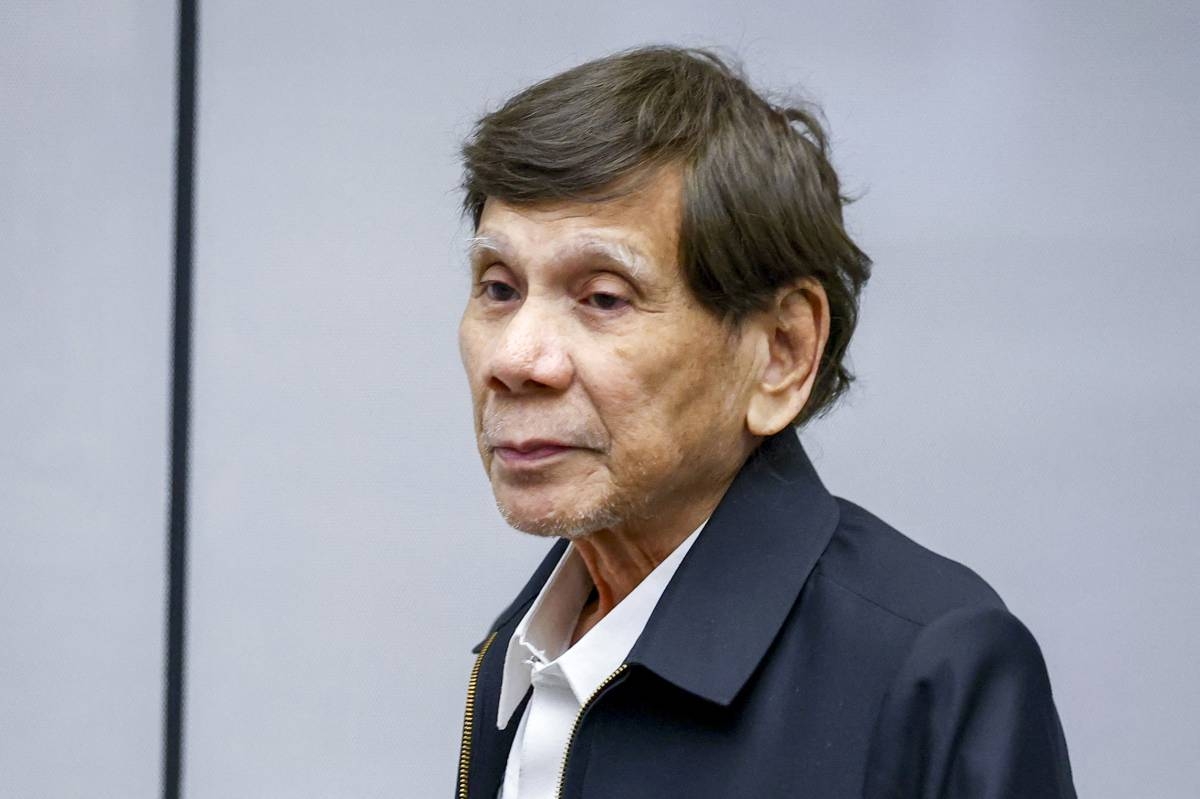
Former Philippine President Rodrigo Duterte goes on trial Monday at the International Criminal Court in The Hague, facing three counts of crimes against humanity for his deadly anti-narcotics campaign.
Charges and Courtroom Schedule in The Hague
The proceedings open with reading the charges to the 81-year-old former leader to determine if he understands their nature and to enter pleas, followed by opening statements from prosecutors, victims’ representatives, and the defense.
⚖️The #ICC trial of Rodrigo Roa #Duterte is scheduled to open on 30 November 2026. He is accused of crimes against humanity allegedly committed in the #Philippines. Learn more➡️ https://t.co/hRdrKOxbPm pic.twitter.com/zd9u2JJbsA
Trial Chamber III allotted the prosecution two hours and 15 minutes for its opening statement, the Common Legal Representatives of Victims one hour and 30 minutes, and the defense one hour. The first prosecution witness is scheduled to take the stand immediately after the opening presentations.
Judges ordered Duterte to stand trial after finding substantial grounds to hold him as an indirect co-perpetrator for murder and attempted murder committed between November 2011 and March 2019. The first charge covers alleged murders during his tenure as mayor of Davao City. The second involves targeted killings between 2016 and 2017 during his presidency, while the third cites clearance operations between 2016 and 2018.
Defense Arguments and International Pressure
Duterte’s lawyers argue in a 77-page pretrial document that the alleged murders do not constitute crimes against humanity and that their client bears no individual criminal responsibility. They also cited his frail health and cognitive impairment, arguing that his ability to contribute to his defense is virtually non-existent.
Defense lawyer Nicholas Kaufman argued during pre-trial hearings that the former president’s public statements were “hyperbole, bluster and rhetoric” and urged the court not to judge him on vulgar language. Prosecutors counter that his rhetoric was carried out systematically on the streets.
The trial opens as the ICC faces intense pressure from Washington, where the administration imposed sanctions on staff and the institution to dismantle the court. James A. Goldston, executive director of the Open Society Justice Initiative, said in a statement that the proceedings reaffirm why international justice must be defended.
Domestic Accountability Failures
“President Marcos' pledge to hold police accountable for past and ongoing abuses in its anti-drug campaign has been a failure,” Lian Buan, Southeast Asia researcher at Human Rights Watch, said. The organization said that authorities in the country neglected to pursue domestic prosecutions for these drug war killings after Duterte was transferred abroad.
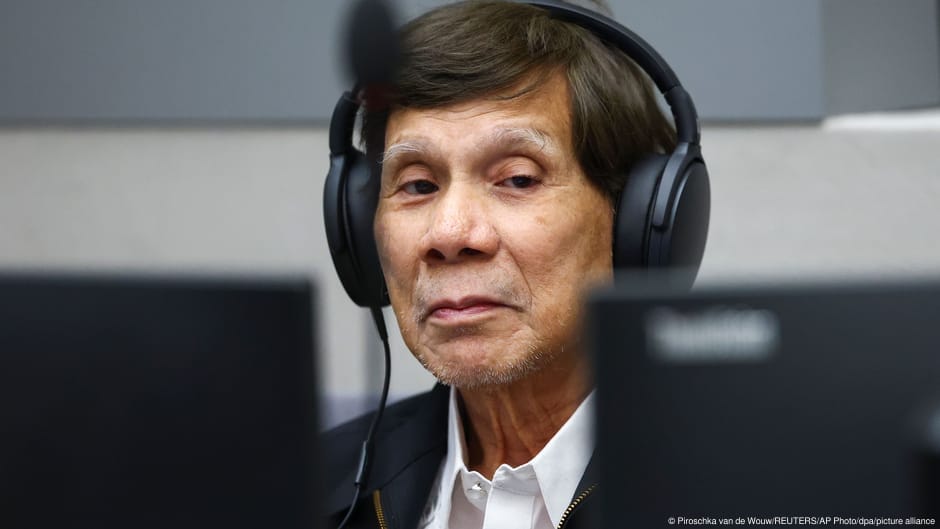
Amnesty International Philippines Executive Director Ritz Lee Santos III emphasized that the upcoming proceedings grant families an opportunity they were long denied to watch alleged perpetrators face a court of law. Meanwhile, Amnesty International urged the court's member states to provide direct financial assistance and political backing instead of only verbal support.
Historical Context and Politics
“Duterte's ruthless war on drugs was not simply a campaign against crime; it was a way of governing through killing,” David Johnson, a professor of sociology at the University of Hawaii at Manoa, told DW. Rights groups estimated that law enforcement agents and unidentified armed individuals extinguished between 20,000 and 30,000 lives during the crackdowns.
To shield the country from scrutiny, Duterte withdrew the Philippines from the Rome Statute in 2019, cutting ties with the international treaty that established the court. The Department of Justice subsequently launched an inter-agency panel in 2020 to reinvestigate the police killings, though victims’ advocates argue domestic avenues have consistently failed.
Victims Seek Justice While Domestic Fallout Deepens
For families of those killed, the proceedings offer a rare venue for accountability. Official police figures place the drug war death toll at approximately 6,200, whereas human rights organizations estimate the total between 12,000 and 30,000.
THE TIMELINE OF FORMER PRESIDENT DUTERTE’S ICC CASE The International Criminal Court is set to begin the trial of former President Rodrigo Duterte on Monday, Nov. 30, 2026. Duterte is facing charges of crimes against humanity in connection with killings linked to his war on… pic.twitter.com/RVhjhkejcN
Llore Pasco, a 72-year-old mother who lost two sons, traveled from Manila to The Hague to witness the opening. “He is so lucky because he has due process unlike what happened to us, so we really want justice for all victims,” Pasco told the Associated Press.
Meanwhile, the political landscape in Manila remains fractured. Vice President Sara Duterte, a frontrunner for the 2028 presidential election, maintains that no foreign court should override national sovereignty. Philippine President Ferdinand Marcos asserted the primacy of the domestic judiciary, stating that any allegations against Filipino officials must be tried locally.