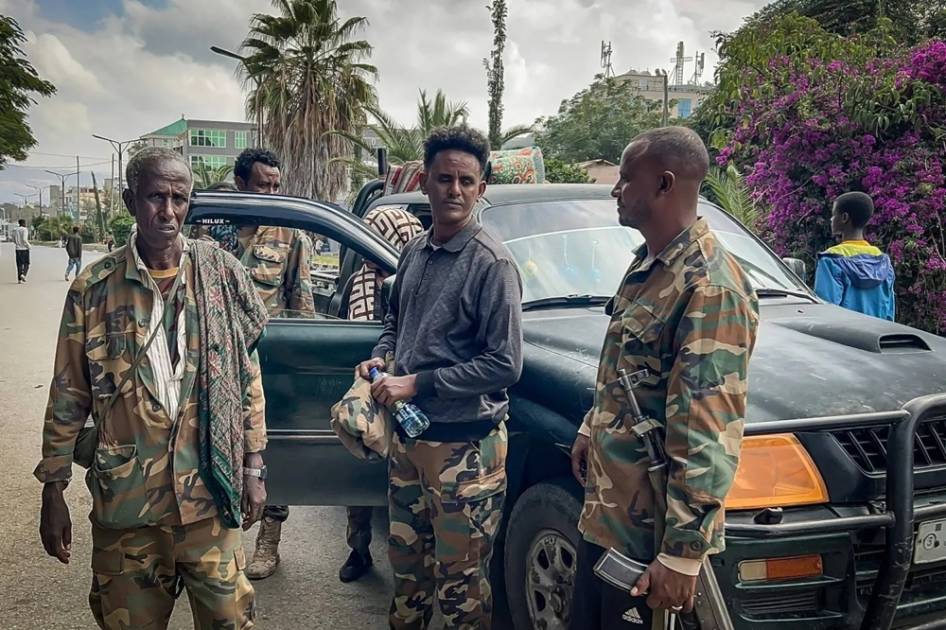
Following a rebel offensive, Ethiopian federal forces recaptured Mekelle, and Prime Minister Abiy Ahmed announced a six-month interim administration for Tigray. The fighting has triggered diplomatic isolation with Eritrea, heavy drone strikes in Adigrat, and urgent diplomatic pressure from Washington to avert a regional war.
The conflict in northern Ethiopia has shifted beyond an internal security crisis into a volatile regional standoff. Following an offensive launched by the Tigray People’s Liberation Front in late September 2026, federal troops and allied forces pushed northward, recapturing the regional capital of Mekelle according to regional reporting. The escalation follows the collapse of the fragile peace established by the 2018 Declaration of Peace and Friendship signed by Prime Minister Abiy Ahmed and Isaias Afwerki, which had previously ended two decades of conflict following the 1998–2000 border war.
Tigray Transitional Administration and the Push for Regional Elections
Prime Minister Abiy Ahmed responded to the military developments by issuing a cabinet regulation to establish a six-month interim administration for the Tigray region. The appointed body is tasked with restoring public services, rebuilding damaged infrastructure, and organizing regional elections. Government statements emphasize that the interim structure aims to return the territory to constitutional self-rule following years of devastation, operating under the guidance and political direction of the federal authorities to ensure development and security are prioritized.
The cabinet regulation outlined specific executive assignments for the interim leadership structure:
- Assefa Abreha Hagos as Chief Executive Officer for Administration and Public Services
- Brigadier General Geber-Igziabher Beyene Hailo as Chief Executive Officer for Peace and Security
- Riday Halefom as Chief Executive Officer for Political and Public Mobilization
Despite these administrative steps, local governance faces immense hurdles. Local analysts point out that imposing an administration directly from the central government does not automatically guarantee local legitimacy in a region with a long history of friction with federal authorities.
TDF left Mekelle not out of weakness, but to draw Abiy Ahmed’s brutal warfare away from civilians and fight on open ground.Abiy Ahmed relies on cruel, carpet-style destruction; TDF chose to shield civilians and face the Ethiopian Defense Force in unpopulated battlefields.… pic.twitter.com/uDun5Emasz
Federal Forces Launch Drone Strikes Near Adigrat and Zalambesa
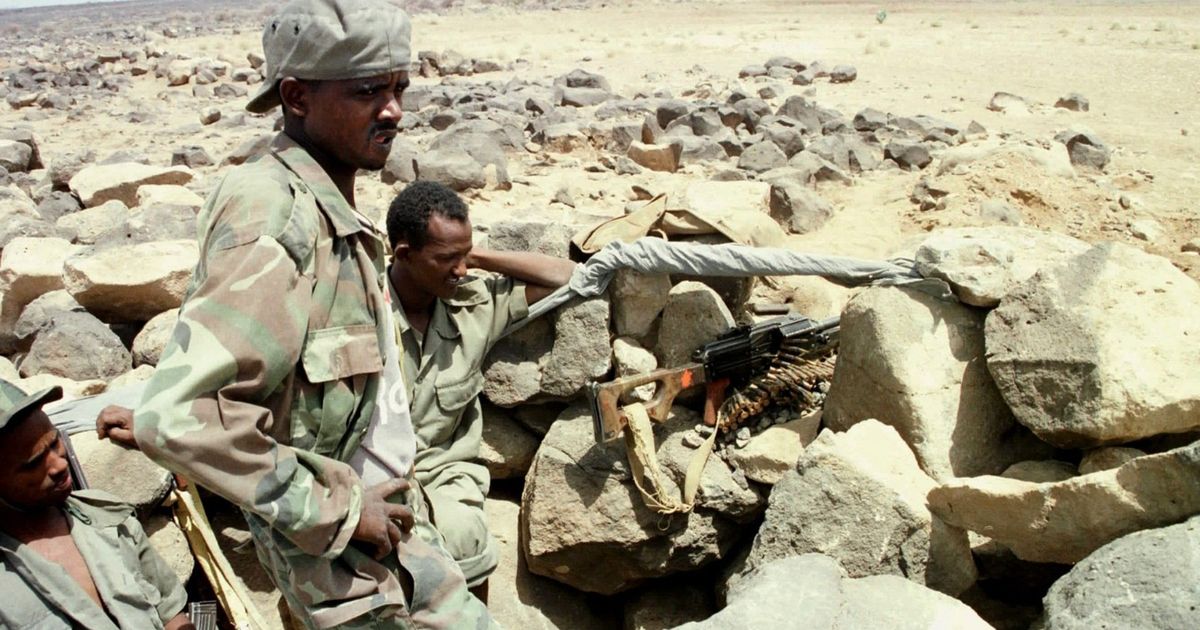
As federal forces advanced toward the northern frontier, combat operations intensified around towns such as Adigrat, located roughly 40 kilometers south of the border, and Zalambesa. Residents described hearing heavy artillery and explosions as government drone strikes targeted military vehicles in reporting verified by Agence France-Presse.
When I saw the Eritrean soldiers enter our neighborhood two weeks ago, I felt a sense of shock and anger. They have left now, and I hope they never return.
The military maneuvers drew sharp diplomatic retaliation. In response to the expulsions, Asmara formally petitioned the African Union Commission to restore its representation rights, arguing that the unilateral actions by Ethiopia violated the foundational equality and sovereignty principles of the organization.
Washington Intervenes as Regional Tensions Escalate Toward the Red Sea
The widening theater of conflict has drawn urgent appeals from international partners. U.S. Secretary of State Marco Rubio held an emergency telephone call with Prime Minister Abiy Ahmed, urging immediate de-escalation and warning that the region cannot sustain a broader war according to diplomatic briefings.
At the core of Ethiopia’s long-term geopolitical strategy remains the quest for direct maritime access. Prime Minister Abiy Ahmed has repeatedly maintained that updating Ethiopia cannot be achieved without a sea outlet, pointing to landlocked constraints that force reliance on foreign ports—principally Djibouti, which handles 95% of the country’s imports and exports—as noted in regional policy statements. This ambition, combined with ongoing accusations by Berhanu Jula and Abebaw Tadesse that neighboring states including Eritrea, Egypt, and Sudan have offered logistical backing to domestic insurgent coalitions, leaves the borderlands in a state of high alert as international mediators search for an opening to resume formal talks.
More on Abiy Ahmed
Went to Mekelle and met with commanders of the ENDF as well as the Provisional Administration of Tigray. Telecom & electricity currently being restored after repairs; infrastructure works underway & humanitarian relief provided. We will continue apprehending the criminal clique. pic.twitter.com/EkM2szlv7S