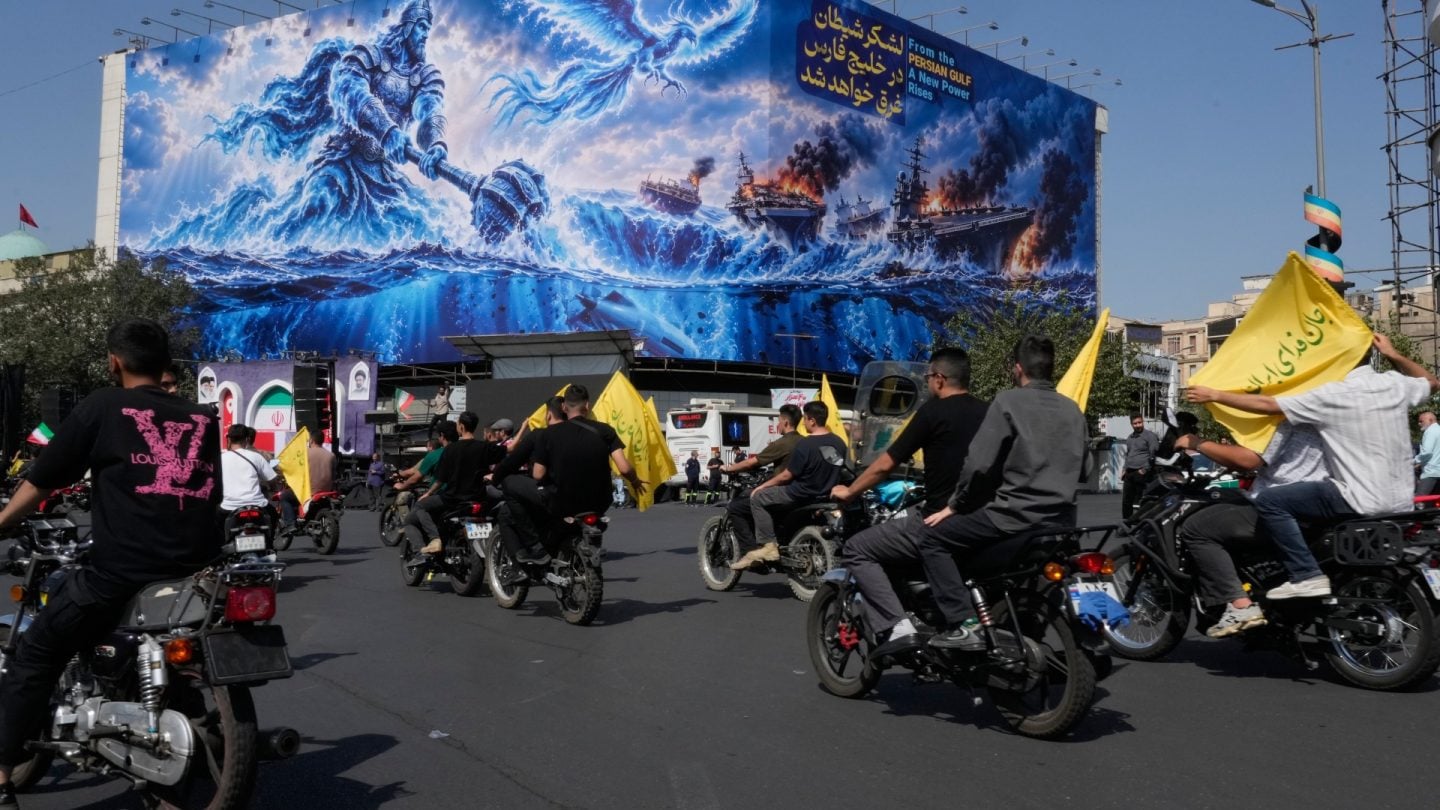
Iranian negotiators left Doha after indirect indirect talks over the weekend, leaving regional mediation in doubt as the United States and Israel prepare for potential military action following Tuesday’s midterm elections.
President Donald Trump Confirms Strikes on Qeshm Island
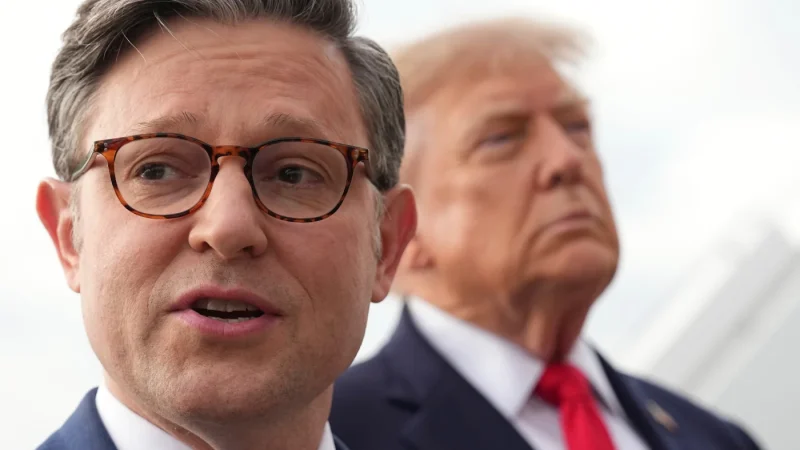
President Donald Trump confirmed that the United States struck an anti-aircraft facility on Qeshm Island in the Gulf near the Strait of Hormuz. In an interview with Fox News, Trump characterized the operation as a minor defensive action rather than an expansion of the war, stating that American forces watched the facility get built over two months and hit it immediately upon completion. U.S. officials reported that the strikes followed Iranian fire at an American aircraft.
The military activity coincides with reports from U.S. officials citing Central Command preparations for short, intense strikes that could launch as soon as Wednesday, with three American aircraft carriers positioned in the region. Trump maintained a dual public stance, telling reporters he had a very good call with Israeli Prime Minister Benjamin Netanyahu on Saturday while continuing to warn that further military action remains possible if required. If we have to, we’ll have to.
If we have to, we’ll have to.
President Donald Trump, via Aljazeera
Iran Presses Seven Conditions as Diplomatic Channels Stumble
The breakdown in Doha followed an Iranian delegation’s exit from the Qatari capital after indirect negotiations stalled. A senior Iranian official told Reuters that Tehran and Washington remain far from a deal to end the conflict that began with U.S. and Israeli strikes on February 28.
Tehran insists on a seven-point proposal that requires Washington to lift its naval blockade of Iranian ports, unfreeze Iranian assets, waive oil sanctions, and approve an Iranian-backed shipping route through the Strait of Hormuz before the strategic waterway is reopened. Iranian Foreign Ministry spokesperson Esmail Baghaei asserted that the plan offers a two-day implementation timeline if the U.S. meets these demands. However, U.S. and allied analysts have criticized the terms as an attempt to extract sweeping sanctions relief while leaving Iran’s enriched uranium stockpile unmonitored.
Iran offers to reopen Strait of Hormuz in 48 hours amid Trump’s fresh strike threats: What are Tehran’s four demands? Iran says it can reopen the Strait of Hormuz within two days if Washington accepts its demands, including an end to the war and the US naval blockade. The offer…
Iranian state media reported that Abbas Araghchi stated there remained no definitive conclusion to the ongoing mediation efforts. Meanwhile, the Saudi Cabinet, chaired by Crown Prince Mohammed bin Salman, endorsed the mediation efforts to protect Vision 2030 from escalation, though Riyadh’s statements did not include mandatory nuclear verification or maritime enforcement mechanisms. Chinese President Xi Jinping told Oman’s sultan that the Middle East Gulf region should not become an arena for great-power rivalry and geopolitical conflict, according to a readout from China’s Foreign Ministry.
Reflecting on the stalled diplomacy, Andreas Krieg, a professor at King’s College London, stated on X that the standoff in the Gulf between the U.S. and Iran is really between Qatar and Israel. Iranian Supreme Leader Mojtaba Khamenei met with Iran’s military chiefs and stated that the response to any kind and level of threat from the U.S. or Israel should be immediate and without geographic limits, urging an expansion of potential targets. Khamenei has not been seen publicly since the opening strikes by Israel and the U.S. on February 28 killed his father, the previous supreme leader.
Fearing a renewed war between America and Iran, European and regional powers are building a diplomatic framework to prevent escalation. Their efforts reveal a new appetite for middle-power-led paths towards stability without American leadership. @ECFRMena https://t.co/HNiRli7Pcv
This once again demonstrates Iran’s good-faith approach.
Esmail Baghaei, Iranian Foreign Ministry spokesperson, via KSL News
Strait of Hormuz Attacks Drive Oil Prices Up
Maritime security in the Strait of Hormuz continues to deteriorate during what has been a volatile period for regional shipping. MQ-9 drone and two Lucas drones in the skies near the Strait of Hormuz. Parliament Speaker Mohammad Baqer Qalibaf declared that the ball was in Washington’s court after Tehran delivered what he described as a strong and rational response.
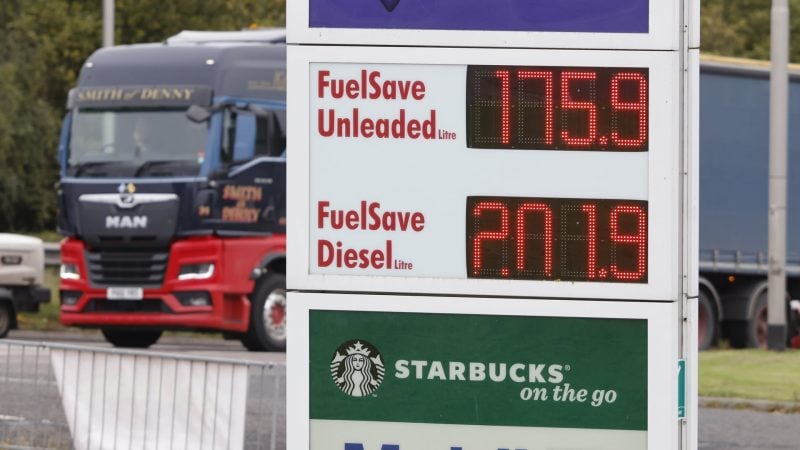
Brent crude futures for December settled up $2.76, or 2.4 percent, at $117.64 a barrel after touching a high of $118, reaching levels not seen since April. The more active January contract climbed $2.63 to $113.43.

Regional Diplomacy Prepares for Hostilities
Regional leaders are scrambling to prevent a full-scale resumption of hostilities. Qatari mediators have maintained continuous contacts with Washington and Tehran, while international bodies and regional diplomats monitor the situation closely.
Simultaneously, Iranian military leadership has signaled readiness for a prolonged confrontation. Following a meeting with military chiefs, Supreme Leader Mojtaba Khamenei’s office issued a statement declaring that any level of threat will face an immediate and geographically unrestricted response. Iran’s armed forces general staff confirmed that military target lists including U.S. assets are actively being updated on Wednesday.
🚨🇺🇸🇮🇷 Trump, talking about the Midterms: "A lot of people say the oil price, because of Iran. But I am totally convinced that my decision on Iran, for the long-term good of our country and even the world, was absolutely correct, and it continues to be." If he truly believes…
Earlier coverage: Iran Says It Could Reopen Strait of Hormuz If U.S. Meets Demands
🇺🇸🇮🇷 Trita Parsi: Trump may have a way out of the Iran war, but the WINDOW COULD CLOSE after the midterms I spoke with Trita Parsi just hours before Americans headed to the polls, and he shared something I found genuinely encouraging. He's hearing that U. S.-Iran negotiations… pic.twitter.com/KhiHnxLqSN
More on Qeshm Island
US forces conducted limited defensive strikes on Iran’s Qeshm Island on Monday after Iranian surface-to-air fire on a US aircraft. Trump confirmed the action as a minor hit on a newly built anti-aircraft site. Iranian media reported explosions; Tehran reserved the right to…
US STRIKES ON QESHM ISLAND, AND TRUMP SAYS NO STRIKES AFTER THE MIDTERMS • US military struck Iran's Qeshm Island, on the Strait of Hormuz, on Monday 2 November, first reported by the Wall Street Journal citing US officials • US officials described it as a defensive measure… pic.twitter.com/qCoF3qcpwJ
WSJ: U. S. Strikes Iran’s Qeshm Island as Trump Talks Down War Risks https://t.co/7O8DTYFi5j pic.twitter.com/5a7M0SUEUy