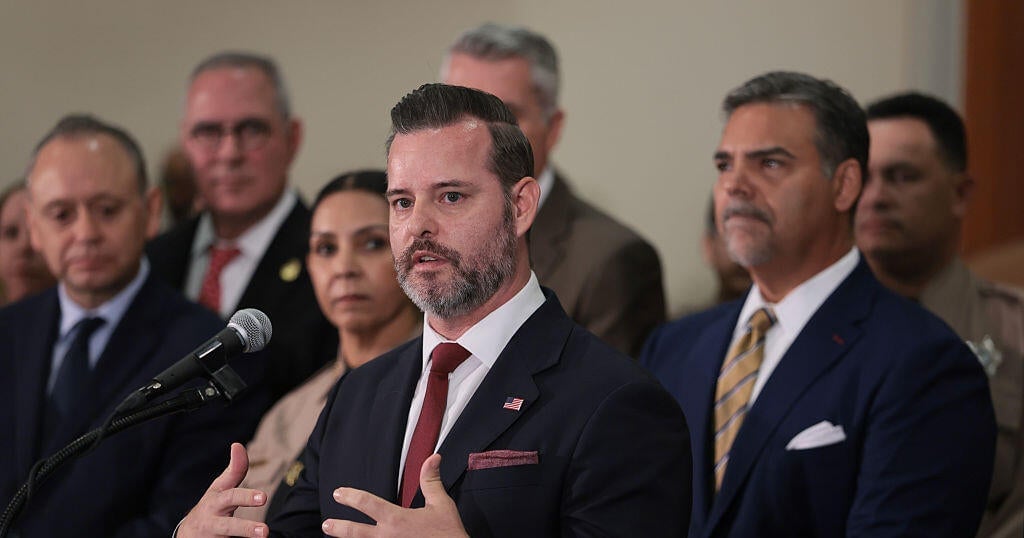
Jason Reding Quiñones, the top federal prosecutor for the Southern District of Florida who oversaw a controversial grand conspiracy
investigation into Obama- and Biden-era intelligence officials, abruptly resigned on Friday, according to CBS News. Attorney General Todd Blanche announced the departure on X, praising Reding Quiñones for his work tackling violent crime, trafficking, and transnational criminal organizations, including the indictment of Raúl Castro, as reported by NBC News. Neither Blanche’s statement nor Reding Quiñones’ own social media post mentioned the grand conspiracy probe, according to Raw Story. Reding Quiñones wrote on X that it had been the privilege of a lifetime to serve
alongside his colleagues and that he was leaving with immense pride in what we accomplished together and profound gratitude for the opportunity to serve our great nation.
Jason Reding Quiñones Resigns in Miami
The departure marks the third high-profile exit of a Senate-confirmed Trump Justice Department official in the days following midterm elections where Republicans suffered heavy losses, according to Bloomberg Law News. John Eisenberg, head of the National Security Division, also submitted his resignation on Friday, following Harmeet Dhillon, head of the Civil Rights Division, who stepped down on Thursday.
United States Attorney for the Southern District of Florida Jason Reding Quiñones submitted his resignation from the Department of Justice. We are grateful for Jason’s leadership in combatting violent crime, drug trafficking, sex trafficking, and transnational crime, including…
Grand Jury Probe Stalls in Florida
The probe led to subpoenas for former CIA Director John Brennan, former Director of National Intelligence James Clapper, and former FBI Director James Comey, according to the New York Post. The Florida-based investigation, centered around a grand jury in Fort Pierce, examined a loosely defined theory that officials involved in prior investigations of Donald Trump—ranging from the 2016 Russia inquiry to the Mar-a-Lago classified documents case—conspired to deprive him of his civil rights and keep him out of office.
Senior Justice Department leaders grew dissatisfied with the pace of the probe and doubted whether Reding Quiñones could deliver on promised indictments, according to Raw Story. Despite generating extensive grand jury activity, the investigation struggled to bring charges establishing the alleged overarching conspiracy. The investigation had experienced internal disputes, doubts about its viability, and the departure of multiple prosecutors, according to CBS News.
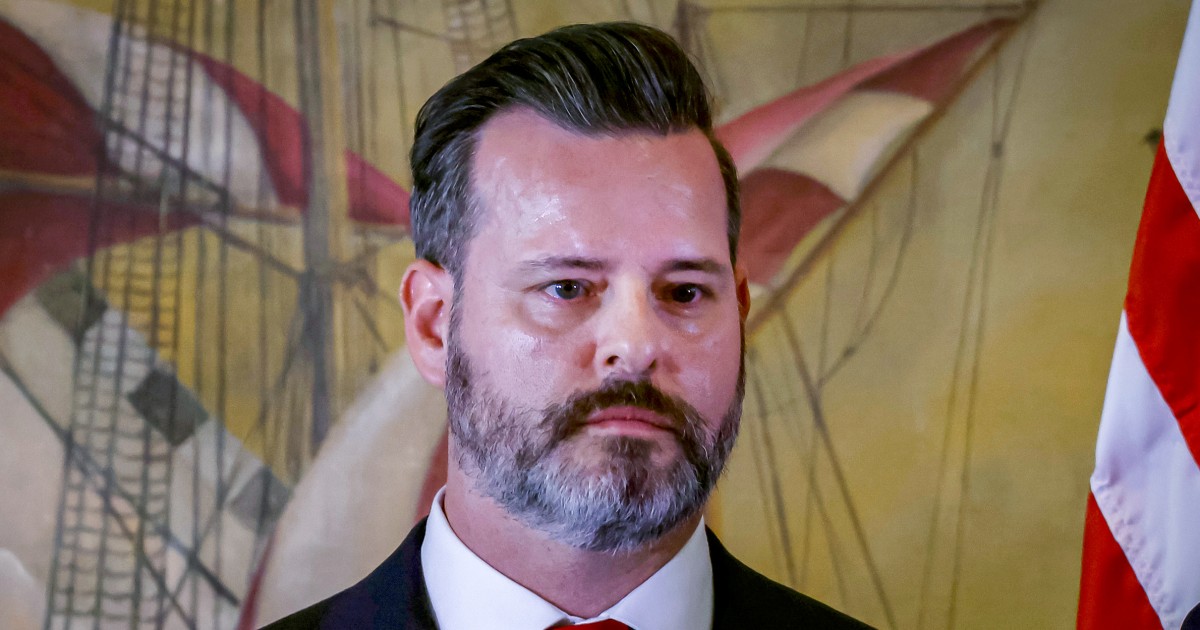
Reding Quiñones is the third person in charge of the probe to leave since April, following the removal of career prosecutor Maria Medetis Long and the September resignation of Joe diGenova, a former U.S. attorney in Washington, D.C., who clashed with top Justice Department officials over the management and pace of the investigation, according to Raw Story. Kurt Olsen, a former White House attorney, also left the investigative team amid pressure from Justice Department leaders to secure indictments before the Nov. 3 midterm elections, according to Raw Story.
Yara Klukas, who has been serving as the first assistant U.S. attorney for the Southern District of Florida, will take over the office in an acting capacity, and the Justice Department plans for the investigation to continue under her leadership, according to Bloomberg Law News.
I submitted my resignation to the President as U. S. Attorney for the Southern District of Florida, effective today. From serving our Nation in uniform to serving at the Department of Justice and on the bench, public service has been the honor of my lifetime. But leading the U. S.…
More on Southern District of Florida
This is the guy who Trump boosters installed into SDFL for the purposes of bringing a vast number of indictments against foes (Obama to Jack Smith) over tales of a wild “grand conspiracy” plot that they claimed linked everything from the Russia probe to Mar-a-Lago raid. https://t.co/IdIfR9kcrj
This was the lead prosecutor in charge of a sprawling investigation who sent out dozens of subpoenas to Trump’s enemies based essentially on a MAGA fever dream. It was a Deep State conspiracy theory in search of a legal theory.