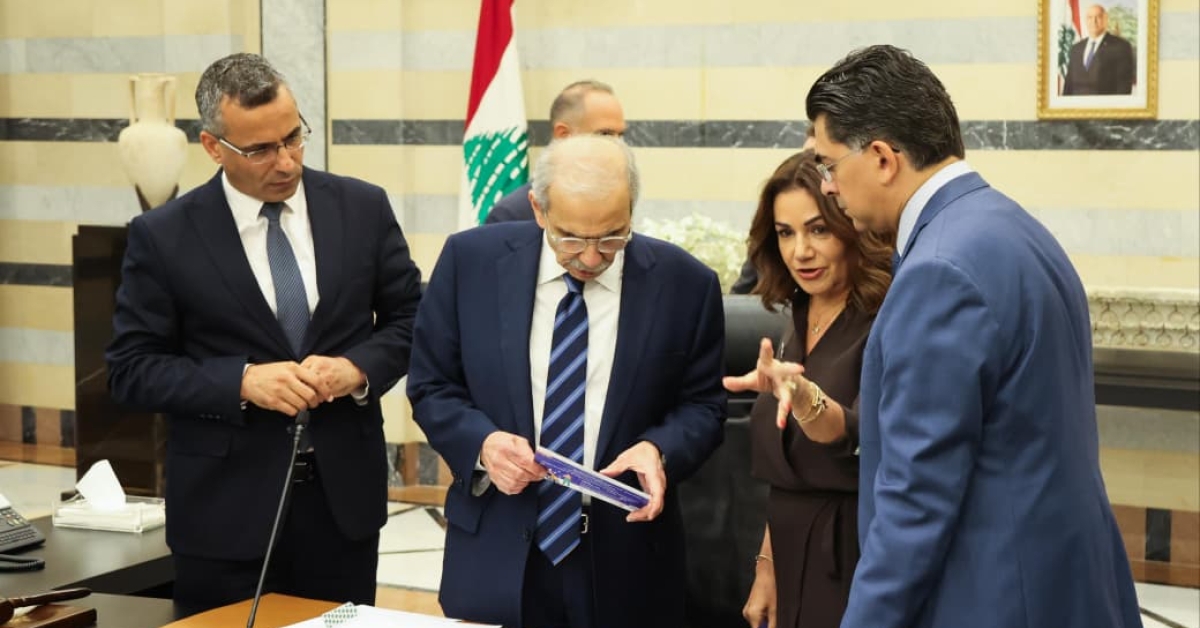
Lebanese cabinet ministers walked out of a government session on October 22, 2026, protesting the delay in referring a seized explosives shipment case to the Judicial Council, as officials balanced political tensions with mounting economic and utility disputes.
Ministers aligned with the Lebanese Forces party walked out of a government session on October 22, 2026 according to regional reporting. They expected a swift referral of a security case to the Judicial Council, but the Cabinet deadlocked over how to handle a confiscated explosives shipment found at the Dahr al-Baidar checkpoint.
Ministers Demand Judicial Council Review Explosives
The controversy centers on whether to transfer the investigation of the explosives seized at Dahr al-Baidar directly to the Judicial Council. Minister of Industry Joe Issa El Khoury expressed sharp frustration over the delays during the government session. He noted that similar cases in the past were referred within days as reported by local broadcast coverage.
Three weeks have passed without formal action.
We withdrew from the session in protest of the failure to refer the explosives file to the Judicial Council; we cannot wait for the investigations to continue because the involved party has identified itself. We presented a table of cases that were referred to the Judicial Council a day or two after they occurred, whereas about three weeks have passed in this case. Joe
Minister of Information Paul Morcos later clarified that the Cabinet had reviewed details of the explosives case presented by Minister of Justice Adel Nassar. The government emphasized the necessity of continuing the investigation following the ministerial meeting. It is keeping the request for Judicial Council referral under active review.
Budget Clashes Over Public Utilities
Lebanese Forces ministers have maintained an escalating stance over public resource distribution noted by political sources. They point to increased budgetary allocations for entities like the South Council while utility funding for the public remains strained.
Minister of Energy Joe Sode has continued a strict stance regarding state institutions settling their arrears according to detailed budget analyses. He argues that citizens should not shoulder the financial burden of operating public utilities.
The story is not about politics or a Lebanese Forces decision to weaken the government, but rather an attempt to correct government spending and direct it to the right place. Joe
Domestic disagreements over immediate financial relief and utility tariffs persist. Meanwhile, international proposals, including an energy initiative involving Qatar, remain part of ongoing discussions tracked across regional reporting.
Cabinet Approves Drug Limits and New Appointments
The administration advanced several regulatory decisions during the same government gathering. Officials approved a plan to restrict the importation of substitute pharmaceuticals. This limits drug procurement strictly to reference countries as outlined in official statements.

The Cabinet also appointed Joseph Aakiki, Walid Saad, Fadi Makhlouta, and Moussa Awada as new members to the railway and public transport authority. Finally, the government scheduled a dedicated session to address the country’s waste management sector.
It is not yet known when the Cabinet will resolve the referral of the explosives case to the Judicial Council.