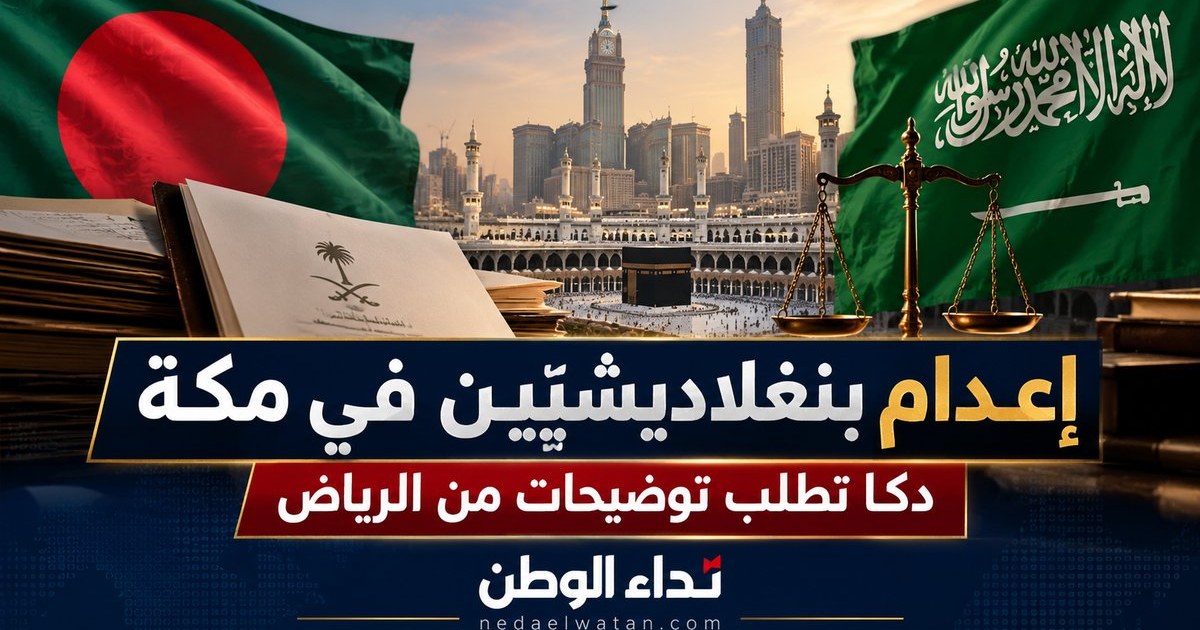
Saudi Arabia executed a Bangladeshi man and woman in Makkah on October 14, 2026, after a court convicted them of committing an immoral act inside a mosque. The executions prompted diplomatic protests from Dhaka over a lack of prior consular notification.
The Ministry of Interior in Saudi Arabia announced the executions following a finalized judicial ruling that moved through the country’s appellate courts before receiving a royal order for enforcement. The two individuals, identified in official statements as Nadhar al-Islam Abdul Basir and Siti Akhtar, were convicted of a serious crime inside a holy site in the capital. According to the state-backed announcements, the judicial authorities imposed discretionary death sentences due to the gravity of violating the sanctity of both time and place.
Family members and diplomatic representatives in Dhaka stated they received no advance warning regarding the legal proceedings or the scheduled executions. The family of Nadhar al-Islam Abdul Basir stated that the last telephone call with him took place on October 11 and lasted about two minutes and they were not informed in advance that the death sentence would be executed. Records show the young man had arrived in Saudi Arabia in November 2022 to work as a cleaner and was subsequently detained by security forces in August 1, 2023.
Diplomatic Friction and Official Inquiries in Dhaka
The lack of prior consular communication triggered immediate diplomatic friction between the two nations. Officials at the Ministry of Foreign Affairs in Bangladesh raised the issue with the Saudi ambassador Abdullah Zafar bin Abia to deliver an official diplomatic note demanding a comprehensive explanation regarding the undisclosed legal steps. The diplomatic mission in Jeddah also submitted a formal verbal note to the Saudi foreign ministry seeking an official accounting of the case.
Bangladesh maintains a good and deep relationship with the Kingdom of Saudi Arabia, especially at the level of the prime ministers of the two countries. Both countries are parties to the Geneva Conventions. A lack of information exchange has been observed in this case. We have asked Saudi Arabia for clarification to understand the reasons for what happened.
Humayun Kabir, Deputy Foreign Minister of Bangladesh
During subsequent diplomatic exchanges in Jeddah, Saudi officials maintained that the sentences followed standard judicial review procedures, involving a lower court ruling and an appellate review by a panel of 13 judges. However, Bangladeshi representatives noted that prisoner lists previously provided by the Saudi authorities did not indicate that capital sentences had been finalized against the two citizens.
Bangladesh Weighs Repatriation of Executed Workers
The case has resonated across wider labor and migrant networks because Saudi Arabia hosts many Bangladeshi workers, making it a market for the nation’s labor force and a source of remittances. Following the announcement of the executions, the government of Bangladesh considered steps such as the return of the bodies to the home country.

State Minister for Foreign Affairs Shama Obaid Islam indicated that the government of Bangladesh would evaluate further diplomatic steps, including the formal repatriation of the bodies, once the kingdom delivers its full written response to the outstanding diplomatic inquiries.