Singapore and Indonesia are attempting to stabilize a relationship strained by energy disputes and environmental crises, with Foreign Minister Vivian Balakrishnan confirming that Prime Minister Lawrence Wong and President Prabowo Subianto have established a high-level political commitment to resolve bilateral friction. The diplomatic push comes as the two neighbors manage a reduction in piped natural gas exports from Indonesia to Singapore, alongside a shared effort to curb the transboundary haze caused by forest fires.
This isn’t just a polite exchange of pleasantries between neighbors. It is a high-stakes exercise in risk management. For Singapore, the stakes are energy security and breathable air; for Indonesia, it is the balance between domestic electricity needs and the credibility of its international contracts.
The Gas Gap
The immediate catalyst for the recent diplomatic urgency was Indonesia’s decision to cut natural gas exports to Singapore. Jakarta implemented this reduction to prioritize domestic electricity needs in Sumatra, Bintan, and Batam. While Singapore’s Energy Market Authority noted this represents less than 2 percent of the city-state’s daily gas demand, the move highlights tension over natural gas supply reductions.
The disagreement over these cuts created a public rift.
To put this in perspective, the current gas import contracts are set to expire at the end of 2028.

Holding Companies Accountable for the Haze
While gas is a matter of economics, the transboundary haze is a matter of public health and law. Southeast Asia has grappled with smog from Indonesian land fires, and Singapore is now moving from diplomatic requests to legal pressure. Senior Minister K. Shanmugam has summoned leaders from 10 Singapore-based firms being investigated for links to these fires.
To tighten the net, Singapore is proposing changes to its Transboundary Haze Pollution Act to grant authorities greater investigative powers over entities operating within its borders but causing damage abroad.
The crackdown is not without resistance. While most firms agreed to cooperate, three—Indofood Agri Resources, TSH Global Plantation, and TSH Oversea—did not explicitly state they would comply with the National Environment Agency’s request for information issued on October 23.
“If there have been lapses, these will have to be dealt with. We will take into account the level of cooperation you have given.”
— Senior Minister K. Shanmugam, regarding the investigation into haze-linked firms.
The Strategic Pivot to Energy Diversification
Singapore is managing this volatility by ensuring it is never solely dependent on one neighbor. Balakrishnan highlighted that the city-state is operating from a “position of strength,” having already developed its own LNG terminals and diversified its energy sources.
Ties have also been soured by negative online sentiments related to MSCI and threats regarding internet sea cable cuts. These “simmering tensions” suggest that the relationship is currently sensitive to a wide array of digital and physical infrastructure vulnerabilities.
Diplomatic Convergence Toward 2027
Despite the friction, the two nations are tethered by deep economic integration. Singapore has remained Indonesia’s largest source of foreign direct investment since 2014, with investments reaching US$17.4 billion (S$22.6 billion) in 2025. Both nations are now looking toward 2027, which will mark 60 years of diplomatic relations and see Singapore chair ASEAN.
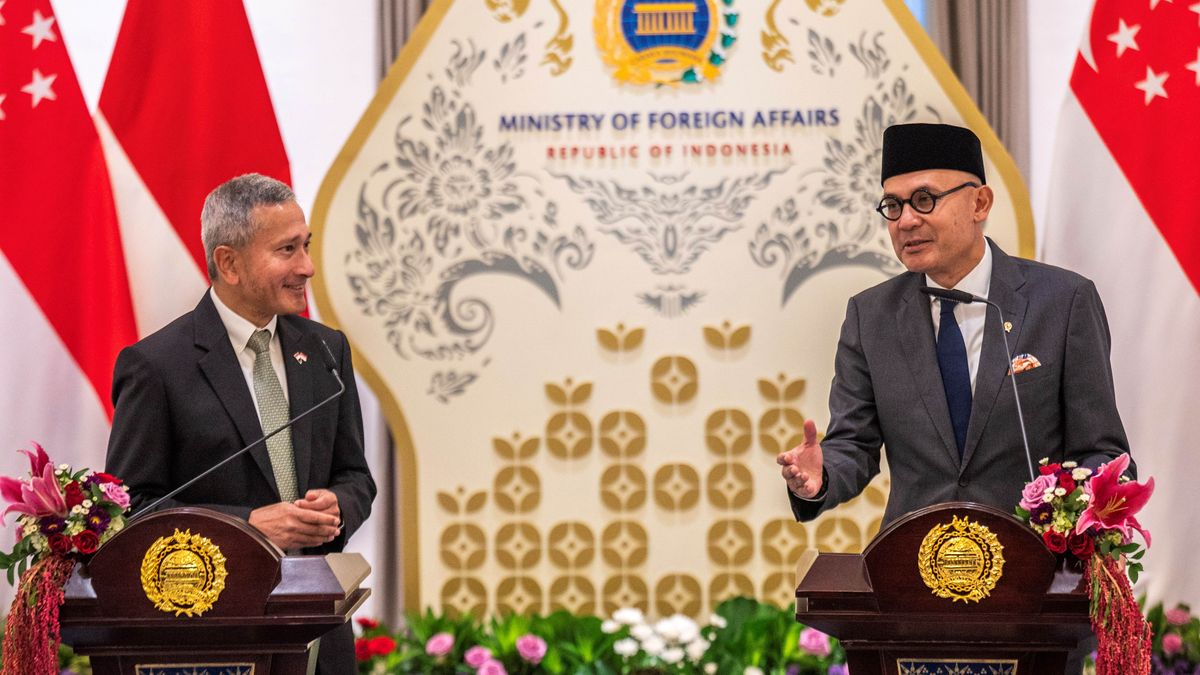
To prevent the current disputes from hardening into long-term hostility, the two countries have agreed to several concrete mechanisms:
- A Joint Task Force: Designed to support information exchange, financial intelligence, and evidence collection to hold companies accountable for haze-causing fires.
- ASEAN Integration: A shared commitment to the Asean Power Grid to strengthen regional energy security against the rising demands of AI and data centers.
The success of these measures depends on whether “cool heads” can prevail over the domestic political pressure in Jakarta to prioritize internal growth and the pressure in Singapore to ensure absolute resource security. The next critical milestone will be the implementation of the 26 agreements signed during the Singapore-Indonesia Leaders’ Retreat in July, which span economic, energy, defence, digital, environmental and other areas of cooperation.