Spain votes on Sunday in a high-stakes parliamentary election that will determine whether Socialist Prime Minister Pedro Sánchez secures a fourth term or cedes power to a conservative coalition led by Alberto Núñez Feijóo.
Nearly 38.7 million citizens are registered to vote across the country to renew the Cortes Generales, electing 350 deputies to the Congress of Deputies and 209 senators.
Record Migrant Surge Overwhelms Ceuta Border
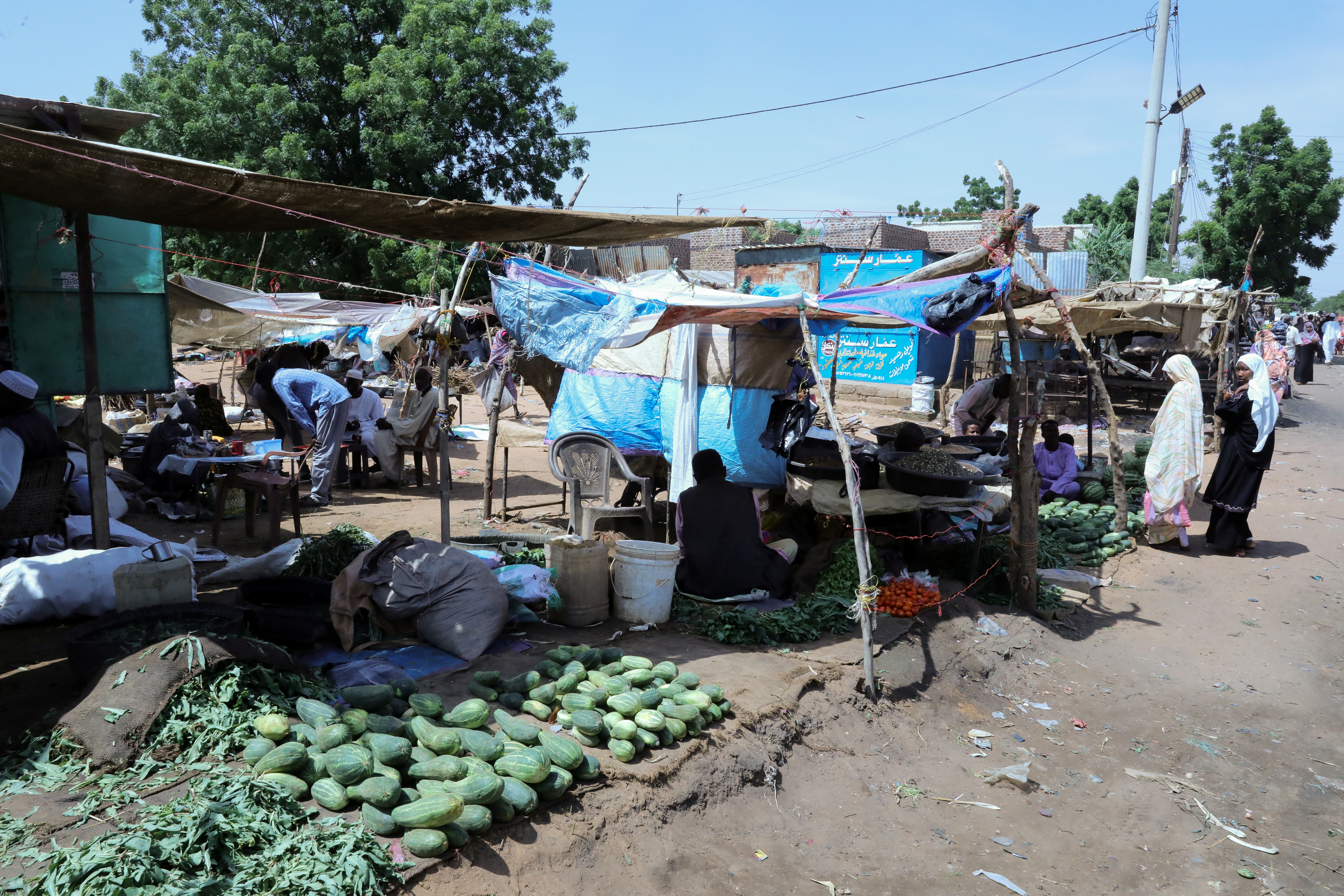
Immigration became a central battleground after a record surge at the border. Between July 30 and 31, between 60,000 and 72,000 migrants crossed irregularly into Ceuta, the Spanish enclave in North Africa. The arrivals strained local authorities and intensified national debate over border security.
Opposition leader Feijóo mounted a direct challenge on the issue, accusing the government of allowing more than 400,000 irregular entries over the past eight years alongside the mass crossings at Ceuta.

The administration countered that foreign labor remains essential to counter an aging demographic. Without incoming workers, the government estimates that Spain would lose 19 percent of its gross domestic product by 2050.
The Rise of Vox and the Conservative Alliance
While polls show the conservative Partido Popular in the lead, Feijóo would likely require support from the radical right party Vox, led by Santiago Abascal, to secure a governing majority. Vox has campaigned on cutting public spending by 112 billion euros and tightening national borders through policies it terms remigration.
Abascal urged supporters during the final stretch of the campaign to “vote with courage” to remove Sánchez from office and alter European political balances. The prospect of Vox entering government for the first time since the death of dictator Francisco Franco in 1975 has drawn intense scrutiny across European capitals.
Housing Crisis Triggers Early Election Call
The early election was triggered after parliament rejected government housing decrees in October, deepening public frustration over living costs. Rental prices have climbed 43 percent since 2015, nearly double the European Union average, igniting widespread protests in major cities.
Sánchez defended his economic record on the campaign trail, pointing to Spain’s GDP growth of 2.8 percent in 2025 and an expected 2.4 percent for the current year. The prime minister argued that his administration expanded social welfare spending by more than 1.5 billion euros to assist vulnerable families and address housing strains.
Final Debate Sharpens Divisions Before Vote
The campaign’s final televised debate on Thursday sharpened divisions between the political blocs. Clashes erupted over gender violence legislation and emergency management following recent flooding in Valencia, with Sánchez defending Frente Amplio candidate Ada Colau after an exchange with Feijóo.
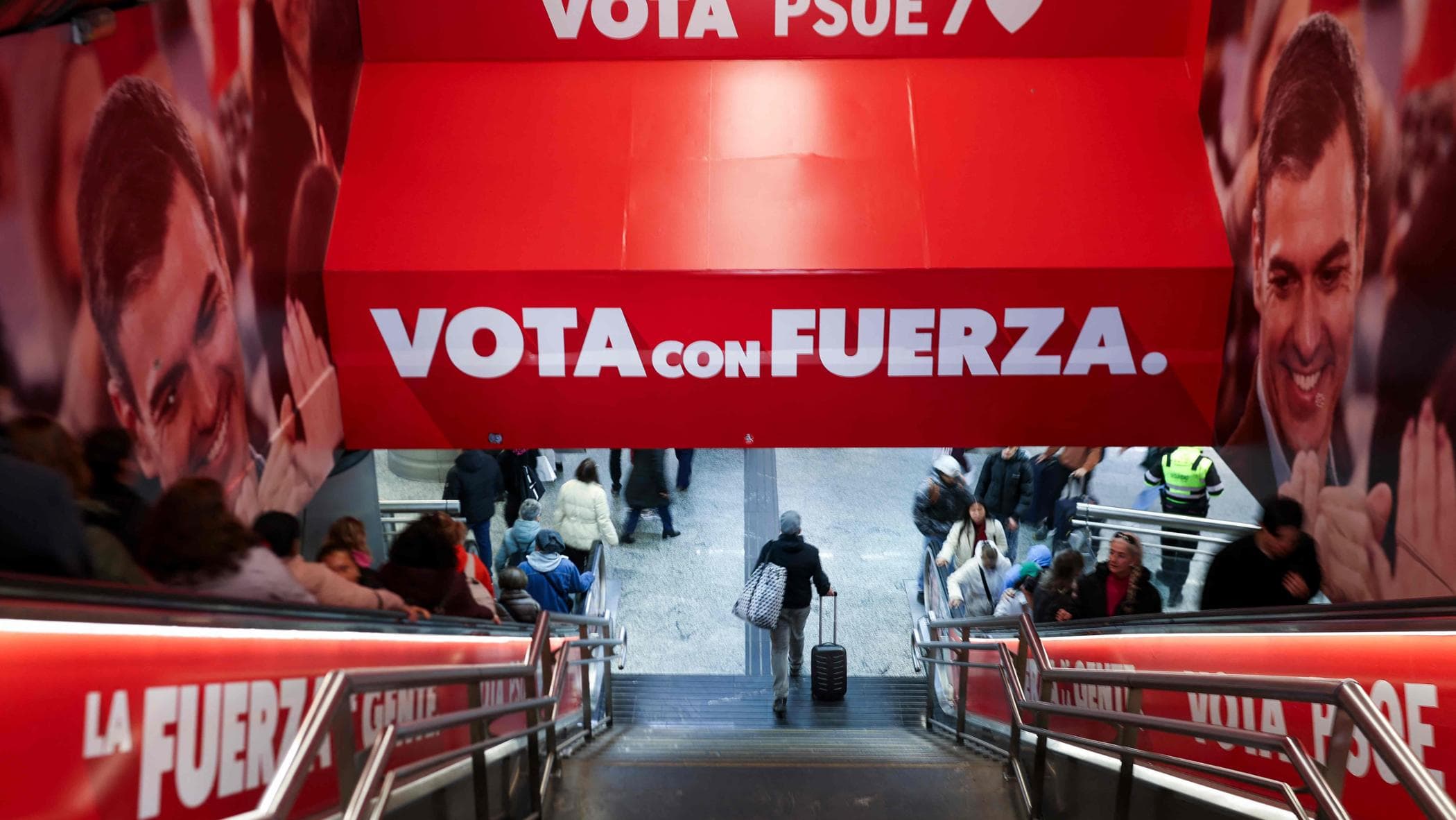
Public opinion surveys ahead of the electoral blackout showed diverging projections. Most private polling agencies placed the Partido Popular ahead with roughly 31 to 32 percent of the vote, putting a conservative coalition within reach of the 176 seats needed for an absolute majority in the Congress of Deputies.
Conversely, a survey by the state-backed Centro de Investigaciones Sociológicas pointed to a different outcome, placing the Spanish Socialist Workers’ Party in front at 34.4 percent against 24.7 percent for the opposition.
Polling stations close on Sunday evening across Spain, with the newly elected chamber scheduled to convene on December 23.
Opposition Rallies Accuse Incumbent of Corruption
Demonstrators at opposition rallies displayed placards branding the incumbent leader the most corrupt president in history. Leader Alberto Núñez Feijóo promised voters truth, decency, and good management, assuring supporters that his party would successfully win and govern this time.
Political Alliances and International Reactions
Amid polling projections favoring the conservative Partido Popular, Pedro Sánchez asserted in an interview with Repubblica that Feijóo and Abascal will ultimately emerge defeated from the ballot. Meanwhile, radical left coalition Frente Amplio, led by former Barcelona mayor Ada Colau, dismissed government economic measures as mere plagiarism.
Democratic Party secretary Elly Schlein expressed hope that Spain will continue under Sánchez’s leadership, maintaining that the progressive recipe works. Political analyst Pablo Simón described the prime minister as the final social-democratic leader defending migration policies compatible with human rights alongside feminism and environmentalism.
Campaign Context and Wider Political Stakes
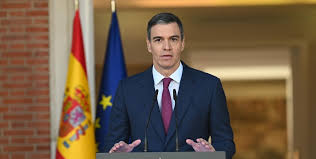
Spain approaches the ballot box following more than eight years under the leadership of the Spanish Socialist Workers’ Party and current Prime Minister Pedro Sánchez. The extended political cycle has placed the Partido Popular in continuous opposition throughout this period.
Feijóo has pledged to bring “truth, decency, and good management” to the administration while targeting the executive’s record on public spending and institutional management. Meanwhile, the political spectrum has seen the sharp decline of the radical left party Podemos, which once challenged the traditional two-party system in 2014 but has recently polled near one percent.
The electoral agenda has also been shaped by major infrastructure and institutional controversies. Public discussion repeatedly touched upon past management at the Ministry of Transport, recalling the tenure of former minister José Luis Ábalos, who held office between 2018 and 2021. The debate unfolded against the backdrop of infrastructure strains and severe railway tragedies that claimed numerous lives in Andalusia and near Toledo, drawing intense public scrutiny over transportation safety.
At the local level, campaign events reflected the polarized grassroots atmosphere. In provincial towns and working-class neighborhoods, local officials and grassroots campaigners engaged voters on issues ranging from local municipal budgets to utility management and migration control. On the diplomatic front, the current administration faced scrutiny for foreign policy decisions, including denying permission for foreign military operations linked to broader international tensions in the Middle East.