Supreme Court Responds to Airfare Hike Plea
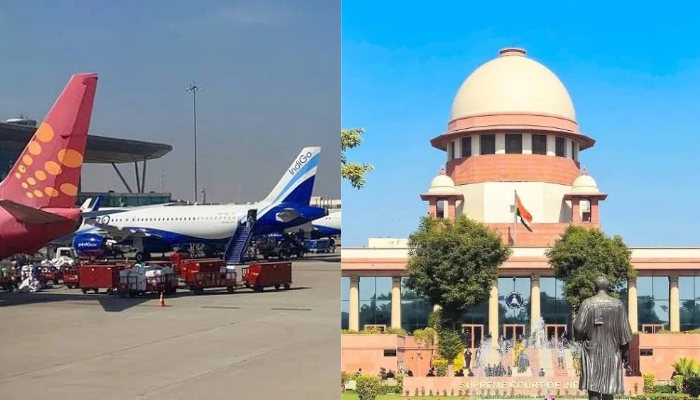
On Monday, November 2, 2026, a Supreme Court bench led by Justice Vikram Nath declined to immediately engage with a public interest litigation seeking action against a steep surge in domestic airfares, telling counsel that those aggrieved could avoid air travel. The Times of India reported that the exchange occurred when the petitioner’s counsel mentioned the plea, claiming that airfares had climbed by as much as 700 percent during the heavy travel season.
Arguing before a bench that included Justices Vikram Nath, Sandeep Mehta, and Aparesh Kumar Singh, the advocate submitted that air travel had become an essential service. The counsel contended that the dramatic price escalation amounted to a violation of Article 14 of the Constitution, which guarantees equality before the law. Justice Nath responded briefly, stating, “Don’t travel by air. Next case,” before moving on to subsequent matters without passing any order at that stage.
The Legal Context of Dynamic Pricing
The petition at the center of the hearing, filed by social activist S. Laxminarayanan, challenges the prevailing system of dynamic pricing used by private carriers. According to details cited by Moneycontrol, the application questions whether airline ticket price surges are genuinely driven by aviation turbine fuel costs and challenges extra passenger charges, seat selection fees, and reductions in complimentary check-in baggage allowances from 25 kilograms to 15 kilograms. Mathrubhumi English noted that the petition seeks an independent regulatory mechanism to bring transparency to airline pricing.
Price comparisons annexed to the application highlighted wide disparities across various domestic sectors. DNA India reported that an Air India one-way ticket from Delhi to Mumbai for November 7 was listed at Rs 26,560, compared to a usual fare of approximately Rs 5,000, representing a 431 percent increase. Similarly, a SpiceJet return ticket for November 15 was listed at Rs 28,130, marking a 462 percent surge above regular rates. Other routes, including Mumbai to Ahmedabad, Patna, and Nagpur, also experienced sharp climbs as travelers moved across the country for Diwali.
Plea regarding extremely high airfares mentioned before #SupremeCourt Counsel: The airfares have increased to 700%. It is an essential service. Violation of Article 14. J Vikram Nath: Don't travel by air. Next case. pic.twitter.com/k7DyXtrZiM
India Adopts New Rules Letting Market Forces Determine Airfares
The court hearing unfolded against the backdrop of shifting federal policy regarding airline pricing. India has adopted new rules under the Bharatiya Vayuyan Niyam, 2026, which take effect on January 1, 2027. Under this framework, the government will generally let market forces determine airfares without direct intervention, though authorities have maintained they can step in during extraordinary circumstances in the public interest.
During previous proceedings on October 16, the Centre informed the court that regulatory frameworks under related aviation statutes would be published within two weeks, setting an October 30 deadline. However, that framework had not been publicly announced by the end of that period. Moneycontrol reported that the bench asked Solicitor General Tushar Mehta to place the notified rules before the court at the next scheduled hearing on November 16, which falls after major festival travel periods including Deepawali, Bhai Dooj, and Chhath.