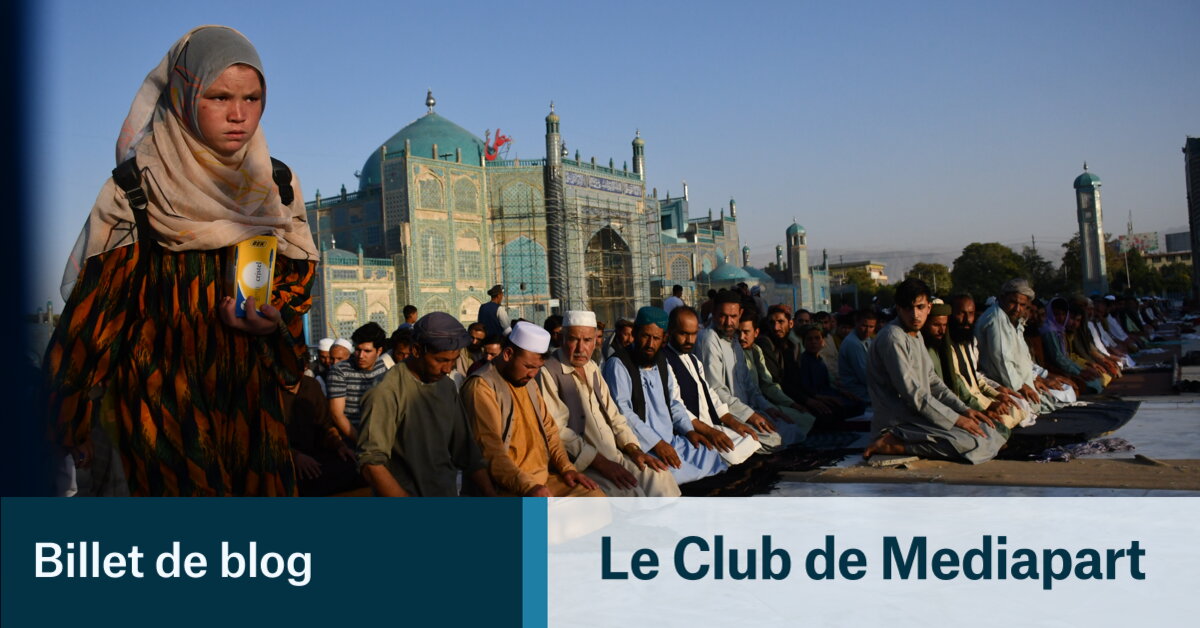
In northern Afghanistan’s Balkh province, a Taliban decree now requires every woman’s name on official and medical documents to be replaced with the single honorific “Bibi,” effectively erasing individual identity from prescriptions and hospital records.
The order, reported by the exiled Afghan outlet Zan Times and the Spanish daily El País, applies to all hospitals, clinics and medical offices in the province. “Bibi” — meaning “grandmother” or “elderly woman” — has traditionally been used as a mark of politeness in a country where speaking a woman’s name in public is often considered an affront to the honor of her husband or children, El País notes.
But Afghan women’s rights activists say the measure is a deliberate step in a broader campaign of erasure. According to El País, certain Afghan women are also designated in daily life by degrading nicknames such as “goat” or cattle, and activists contest the respectful interpretation of the term “Bibi.”
Decree creates clinical danger through identical patient names
Lalah Osmany, an Afghan activist based in Germany, told El País the decree creates immediate clinical danger: “Imagine a hospital where dozens of prescriptions and medical files carry the same name, Bibi, or a number. This implies an enormous risk of medical errors.” The risk compounds existing barriers: male doctors are barred from treating women and girls in many settings, and women have been stopped from studying medical professions such as nursing and midwifery, deepening a shortage of female health workers.
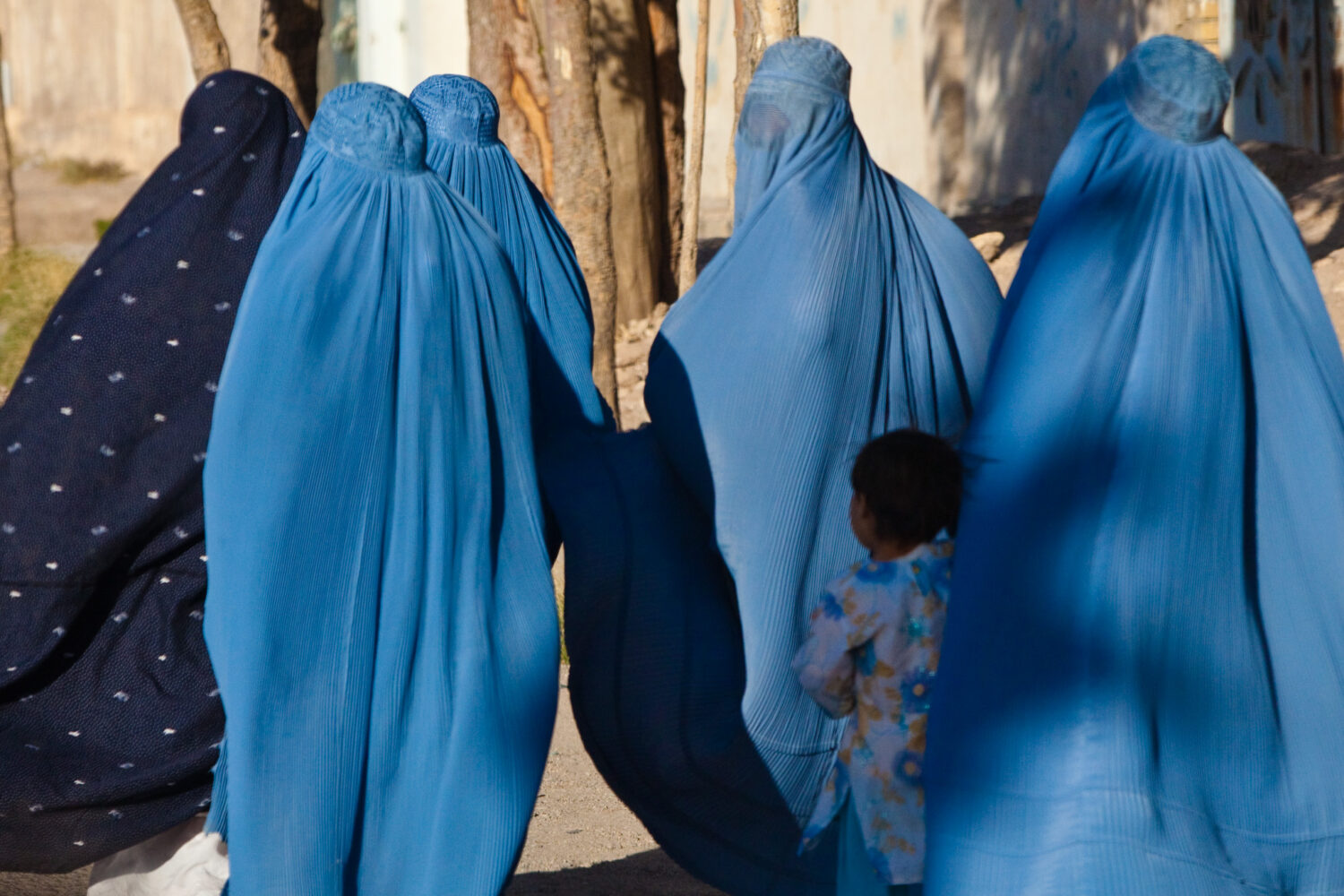
Zan Times journalists wrote in the Guardian that the escalation of prohibitions reaches peaks of absurdity.
Activists also report that women in daily life are being called by degrading animal epithets such as “goat” or cattle. Osmany said: “When a regime replaces a woman’s name with that of an animal, it strips her of her humanity and reduces her to a mere biological being or the property of a man.” Women’s names have already been scrubbed from public spaces — replaced by “wife of” or “daughter of” followed by a male relative’s name, even on tombstones.
The decree orders health establishments to replace the name of female patients with the single nickname “Bibi,” which must also appear on medical prescriptions.
A pattern of 144 decrees
The Balkh order is the latest in what the rights group Femena counts as 144 Taliban edicts restricting women’s rights since the 2021 takeover. Those decrees have gone from the prohibition of studying from the age of 12 to the exclusion from almost all jobs, including passing by the prohibition of speaking in public.

A May 2026 decree — numbered 18 — governed the principles of separation between spouses, including the negation of the right to consent, authorization of child marriage and obstacles to divorce. According to the UN, more than 78 percent of Afghan women are neither schooled, nor employed, nor in training.
UN officials and human rights experts describe the cumulative effect as “gender apartheid”. Spanish Foreign Minister José Manuel Albares, opening the fourth HearUs summit in Madrid on November 23, said Afghanistan has become “the most obvious place where women’s rights are trampled” since the Taliban returned to power five years ago, imposing “a system of discrimination, of segregation, of constant violence against women and girls” and seeking to render them “invisible” by expelling them from education and employment and restricting their future.
Albares insisted that “Spain supports the recognition and qualification of what we call, to give it a name, gender apartheid in international law” and warned the Taliban that “they will have to answer for this” and will not obtain recognition as legitimate authorities as long as they systematically violate women’s rights.

The summit, organized by the Ministry of Foreign Affairs with the entity Women for Afghanistan, was held under the motto “Afghan women’s leadership to achieve justice, peace through accountability”.
Paris honors Afghan women while refugees face deportation risk
On November 19, the Paris Mayor granted honorary citizenship to Afghan women at a ceremony in the Mairie de Paris. The gesture was met with applause and boos. Refugee women at the ceremony face the prospect of being sent back by Pakistanis, risking arrest or worse in Afghanistan.
The event recalled the fate of Jamal Khashoggi, the Saudi dissident kidnapped and assassinated at the Saudi consulate in Istanbul in 2018, and warned that a similar scenario, Taliban version, is entirely imaginable in Paris. It also said that Iran does not recognize dual nationality.
Islamist attacks surge exponentially across decades
The growth is exponential: 1979-2000 saw 2,194 attacks and 6,817 deaths; 2001-2012 recorded 8,265 attacks and 38,187 deaths; 2013-April 2024 registered 56,413 attacks and 204,937 deaths. In Afghanistan, the Taliban retook Kabul by force on August 15, 2021, and reestablished the Islamic Emirate of Afghanistan.