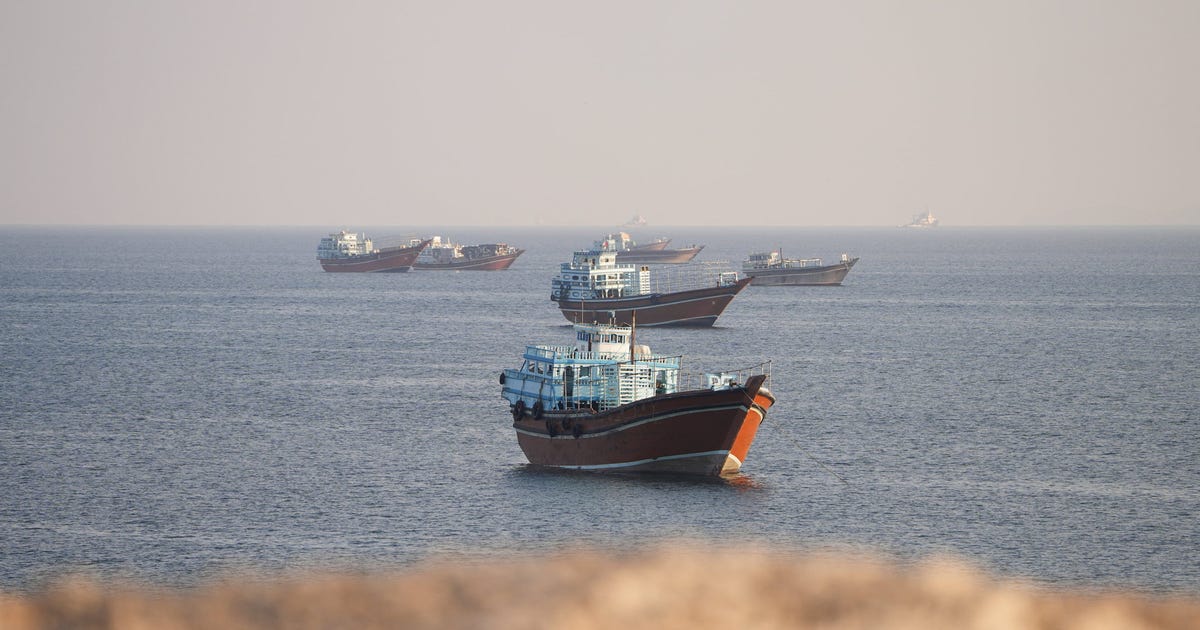
The Wall Street Journal reported Monday that American officials are investigating whether Iran orchestrated a wave of cyber intrusions and bomb threats against ships carrying oil, liquefied petroleum gas, chemicals and other volatile cargoes.
The operation, if confirmed, would expand Iranian pressure beyond the Persian Gulf and into shipping lanes near Europe and Asia.
Fifty ships, one pattern
According to U.S. officials and sources familiar with the investigation, the compromised vessels include tankers hauling Saudi crude to American ports and LNG carriers moving U.S. gas to Italy.
At least four ships received explicit bomb warnings; others were penetrated without the crews’ knowledge. The Journal’s reporting, cited across Israeli outlets including YNET, Israel Hayom and Makor Rishon, describes a coordinated effort that blends network intrusion with psychological warfare.
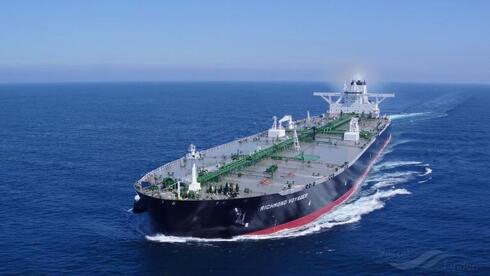
In September, the VL Prosperity and the Kohaku — both bound for Texas — were boarded by Coast Guard cyber teams after bomb threats arrived via a Russian-language Telegram channel. A ransom note addressed to the Prosperity’s captain accused the ship of transporting Saudi oil illegallyand labeled the U.S. and Israel partners inorganized crime. The vessel’s operators confirmed American authorities conducted a cyber inspection and cleared the ship to continue.
Weeks later, the Vivit Africa, carrying LNG from Louisiana to Italy, exhibited erratic navigation patterns near the Italian coast after similar threats appeared on Russian Telegram channels.
Fortinet flaw, state-grade tools
U.S. investigators say the attackers exploited a known vulnerability in FortiGate firewalls — networking gear widely deployed across the maritime sector. The Coast Guard Cyber Command and the FBI issued a joint advisory in September warning that state-backed actors were actively scanning for and compromising these devices at shipping companies and port facilities.
The uncomfortable truth is that most vessels sailing today have less cyber protection than a mid-sized office.
Iran denied, Russia watched
Tehran is the primary suspect, but U.S. officials have not ruled out Russian involvement. Iranian and Russian Telegram channels and websites published early claims about the intrusions, framing them as retaliation for U.S. energy policy and portraying Washington as an unreliable partner.
A Trump administration official pushed back on the Journal’s account, telling the paper the U.S. had found no evidence of Iranian responsibility and characterized the incidents as four minor intrusions with no operational impact. Iran and Russia did not respond to requests for comment.
The Coast Guard declined to discuss specific cases but confirmed it has deployed cyber protection teams to at least four inbound vessels in recent weeks. The marine transportation system is essential to America's economic prosperity and national security, and protecting it from potential cyber risks is an integral part of the Coast Guard's safety and security mission, the service said in a statement.
Officials Detail Scope of Maritime Cyber Campaign
Homeland Security Secretary Markwayne Mullin told Congress this week that Iranian government hackers and pro-Iranian cybercriminals have intensified operations against critical infrastructure since February, with transportation, energy and water sectors seeing increased targeting.
Supply-chain control
Maritime analysts say the strategic goal appears to be deterrence: making shipowners think twice before calling at U.S. terminals or lifting American energy cargoes.
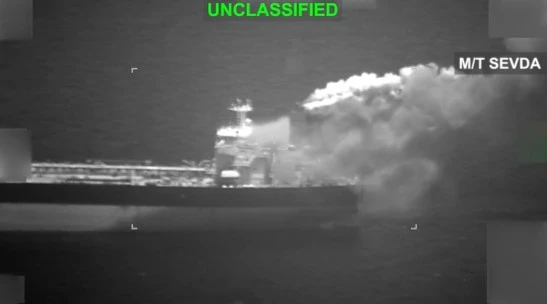
Lars Jensen, CEO of the Danish consultancy Vespucci Maritime, said that while remote hijacking of a ship to cause a port explosion remains unlikely — manual overrides exist for propulsion and steering — cyber attacks can still disable navigation, communications and cargo management systems, forcing vessels to idle for days and costing the global supply chain millions of dollars per incident.
The campaign unfolds as Iran continues physical harassment of tankers in the Strait of Hormuz and U.S. intelligence warns of expanding threats against American citizens abroad. Director of National Intelligence Jay Clayton told a House committee recently that Iranian threats have increased significantly.