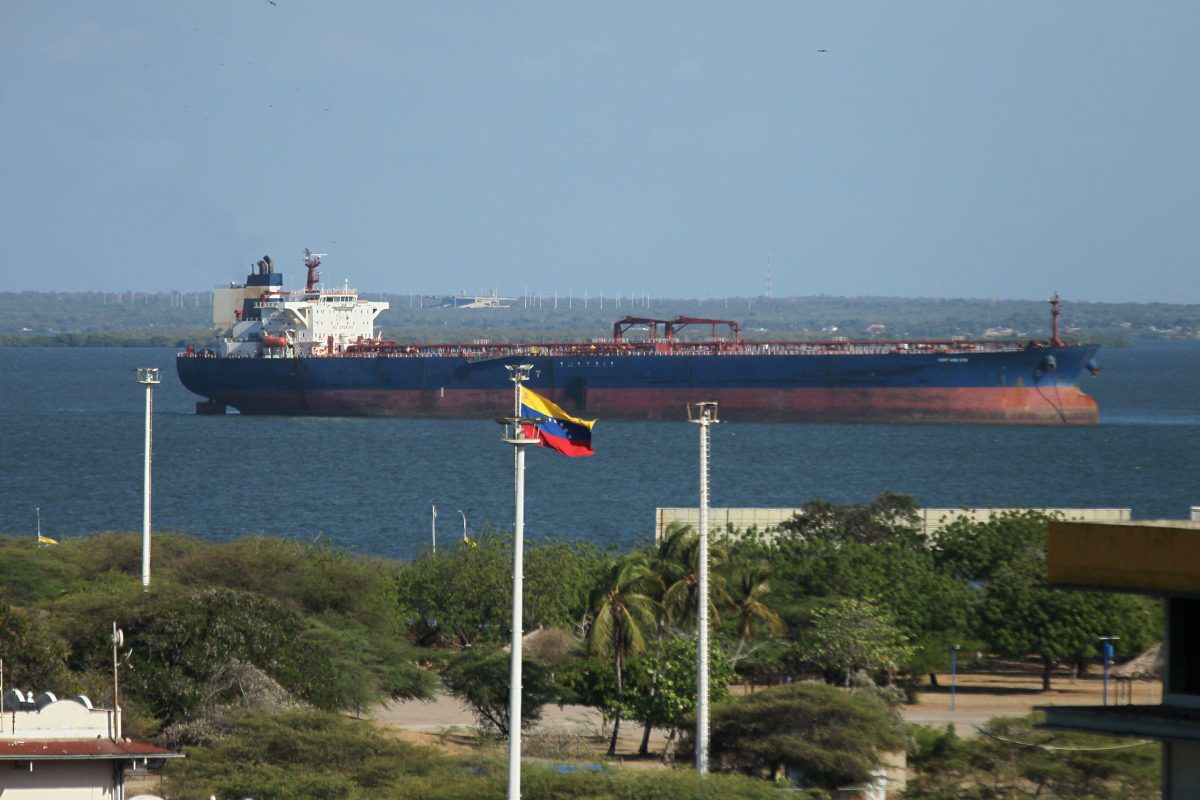
Caracas and Washington upended years of bilateral energy ties when an American-backed agreement secured operational control over 17 oil fields holding an estimated 65 billion barrels of crude, according to Dialogue Earth.
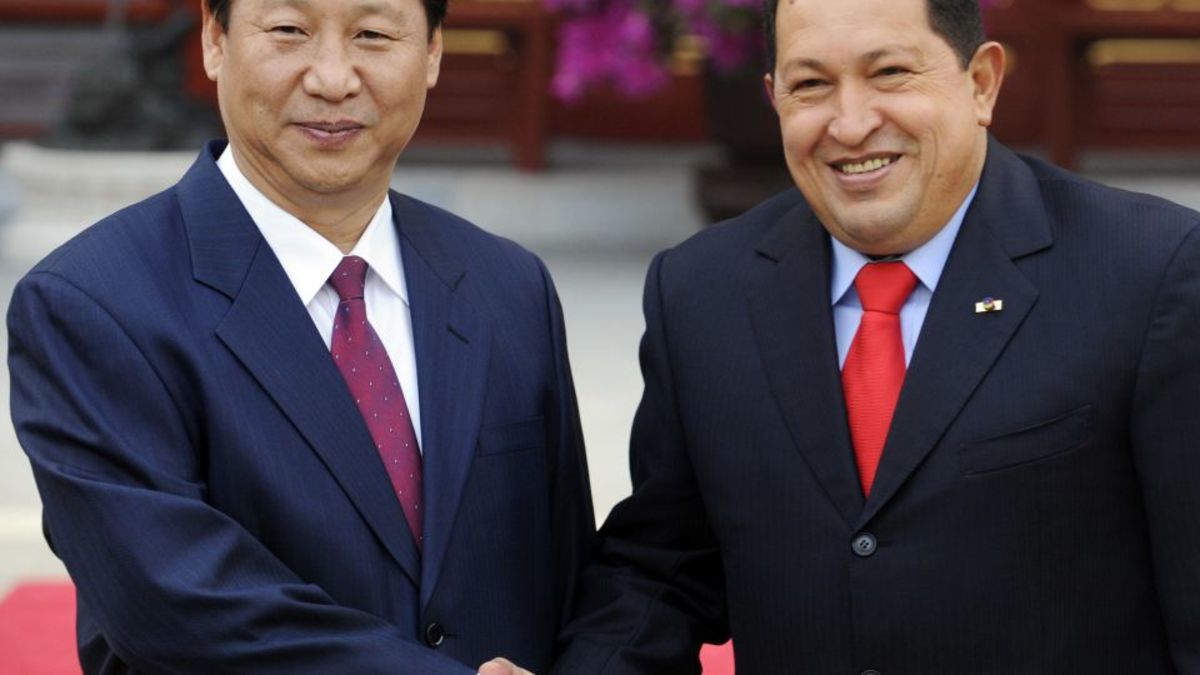
The shift brings an abrupt halt to the massive lending and oil-for-debt arrangements that once made Beijing the South American nation’s primary creditor.
Between 2000 and 2018, Chinese state financial institutions committed approximately $105.6 billion in loans to Venezuela, with roughly $95 billion structured around petroleum as a repayment mechanism, as tracked by AidData at the College of William & Mary, reported by Yahoo Noticias.
Hugo Chávez leveraged oil revenue to consolidate power while keeping domestic fuel heavily subsidized, as detailed by El Diario. Nicolás Maduro maintained that focus as the economy crumbled.
Reflecting on historical precedents, figures like Leopoldo Martínez Nucete noted earlier legal and legislative debates over foreign private capital participation under past frameworks such as the 1995 “Apertura Petrolera,” which involved legal battles led by figures such as Allan Brewer-Carías, Román Duque Corredor, Iván Darío Badell, Jesús María Casal, and Carlos Leañez before the Supreme Court and Congress.
When oil prices fell from their supercycle highs and U.S. sectoral sanctions took hold, payment difficulties multiplied, prompting Beijing to halt major new loans around 2016 and face default disputes in court, according to Yahoo Noticias.
Under the agreement announced by Washington, the private domestic producer North American Blue Energy Partners takes up the operational rights for the designated fields, as outlined by PETROGUIA.
President Donald Trump touted the pact during a rally in Corpus Christi, Texas, and remarked on the shift in bilateral dynamics, reported by El Diario de Sonora.
Interim President Delcy Rodríguez defended the accord by emphasizing that foreign investment is necessary to generate national development, according to Dialogue Earth.
Rodríguez said that minimum royalties of 16% and taxes of 34% will yield about $19 per barrel directly for the country, totaling $209 billion over the quarter-century span.
Economist Asdrúbal Oliveros estimates those collections at $8 billion annually, representing about 8% of the 2025 GDP, while cautioning that severe infrastructure bottlenecks in electricity, ports, and pipelines will delay industrial stability for three to five years, according to Dialogue Earth.
Other analysts, such as oil economist José Guerra, argued that Venezuela sacrificed significant revenues by handing over areas without public auctions and offering a portion of oil at cost.
While Kpler data showed China receiving steady imports through various channels until recent shifts, supplies were interrupted following the capture of Nicolás Maduro in January and the subsequent agreement between Caracas and Washington, according to Yahoo Noticias.
Analysts suggest Beijing faces market-rate purchases if it wishes to continue acquiring Venezuelan crude, though its broader trade influence across Latin America remains intact, as reported by Yahoo Noticias and Dialogue Earth.