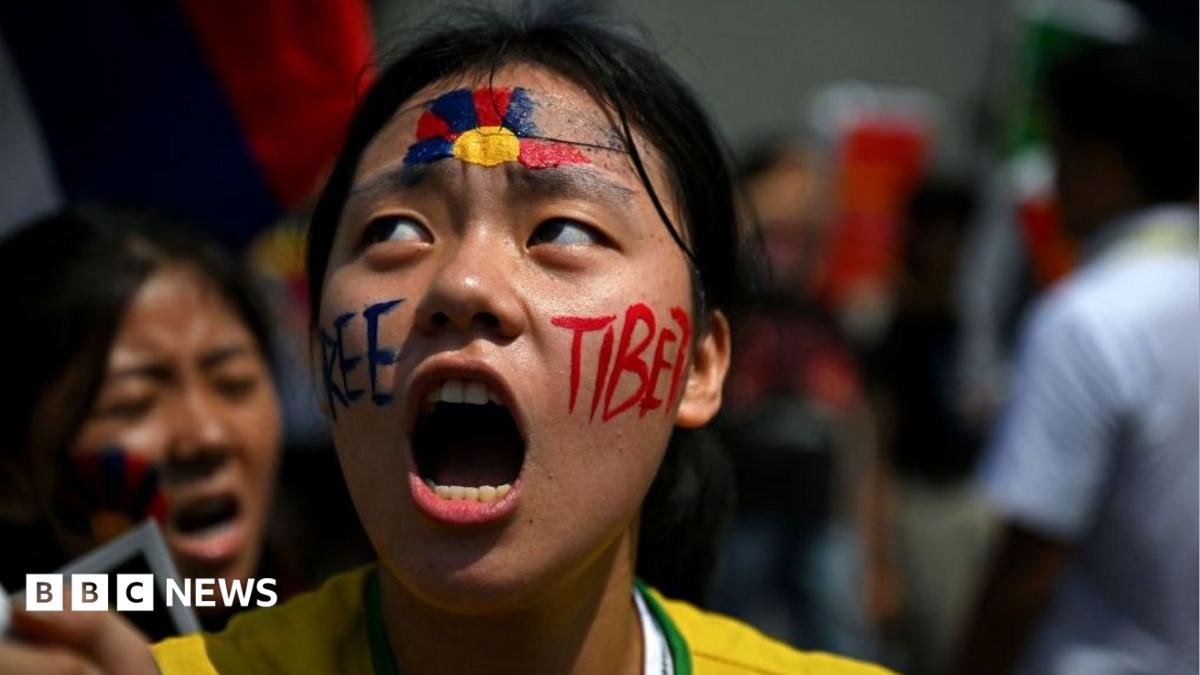
Uyghur activist Dolkun Isa faces smaller crowds at protests in exile. International attention has faded since mass internment camps appeared in Xinjiang in 2018.
- Dolkun Isa said exile protest crowds dropped from thousands in 2018 to under 500.
- Reports emerged in 2018 that China detained up to a million Uyghurs and Muslims.
- Xinjiang recorded over 300 million tourist visits last year, more than double 2018 figures.
China’s industrial output fuels global consumption through electric vehicles, batteries, artificial intelligence models, and Labubu toys. Activists say this financial power drowns out human rights criticisms. They argue geopolitical and commercial interests push their advocacy aside. Critics and dissidents say their voices are being drowned out by China’s soft power.
Exile movements have grown smaller and less trusting. Activists say Beijing combines financial incentives with pressure tactics. Journalist Arslan Hidayat said authorities offer money, safety promises, and family reunions. These are offered in exchange for intelligence on exile networks and the promotion of pro-party narratives.
The Chinese embassy in the UK dismissed claims that exiles face demands to spy on or disclose information about fellow community members.
Many people have reduced their activism to protect relatives living in China. “Many people have dialled down on their activism over the years because they are thinking about their loved ones back in China,” Isa said.
Isa is 59. He served as president of the Munich-based World Uyghur Congress from 2017 to 2024. He said that was a time when they felt the world was finally listening.
Tibetan activist Karma Rinchen said some people view activists with suspicion. They fear activities might endanger themselves or relatives. Rinchen said the limited selection process for homeland visits sows division within the exile community, and he said this desperation is what the Communist Party seeks to target. He added that communities must work harder to make sure their voices are heard.
Xinjiang drew over 300 million domestic and international tourist visits last year. This is more than double the volume recorded in 2018. Official outreach includes publicized family reunion clips showing relatives hugging at the Urumqi airport.
In January, Chinese Consul-General Wei Xiaodong appeared in photographs in Istanbul. He was seeing off roughly 30 attendees from Turkey. Turkey is home to tens of thousands of Muslim minorities originating from Xinjiang.
A statement on the consulate’s WeChat platform said Wei expected diaspora members heading back to Xinjiang to witness the area’s progress. The post said they would share those observations upon returning to Turkey. The post featured footage of airport reunions in Urumqi with embraces and floral arrangements.
Alim, a Uyghur living in exile in Turkey, described an acquaintance whose application for a family visit was rejected. The rejection happened because of a past relationship with an individual who previously lobbied for detained relatives. “She was very eager to go on one of these ‘family visits’ because she hasn’t seen her loved ones back home in so many years… She was crushed that she was rejected,” Alim said.
Arslan said people are content to remain silent and maintain a low profile. They do this to keep the minimal contact permitted with relatives.
Mirkamel rejected the invitation to visit. He chose to cut off contact with his family in Urumqi. “It’s emotional blackmail,” he said. “Tell my family to forget they ever had a child like me.”