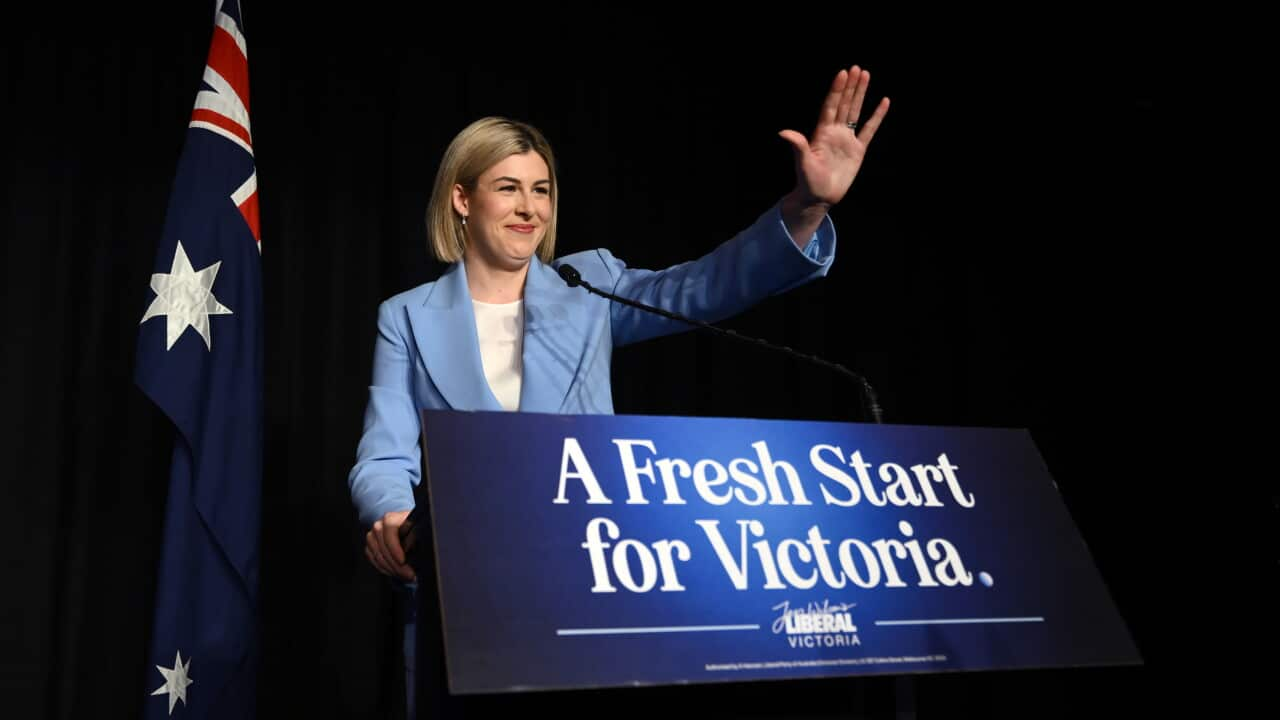
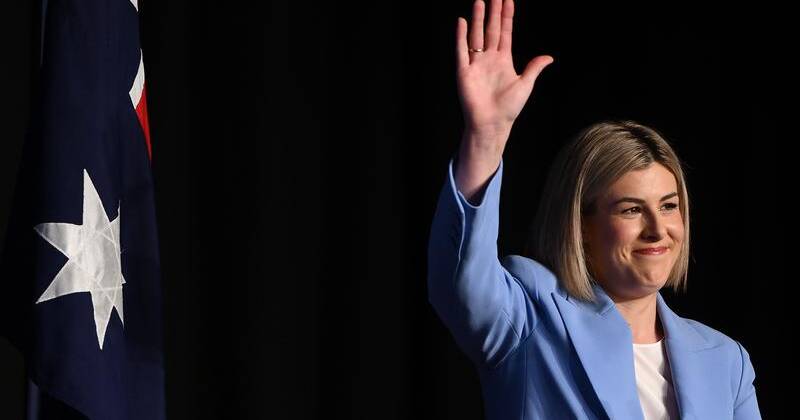
Victoria’s Labor government crashed to a historic defeat in the November 28, 2026 state election. Liberal Leader Jess Wilson is set to become the state’s first elected female premier after 12 years of Labor rule.
Liberal Coalition Wins Election as Labor Vote Collapses
The Australian Broadcasting Corporation called the election for the center-right coalition early Saturday evening. Outgoing Premier Ben Carroll conceded defeat before 9pm after losing his own seat of Niddrie to Liberal candidate Samantha Byrne.
That defeat ended a 14-year parliamentary run and a brief 123-day tenure as premier.
Pre-election polling by Resolve Political Monitor put primary support for the Coalition at 31 per cent. Labor’s primary vote collapsed to just 20 per cent.
“Labor's primary vote is at a historic low, and they are now running third,” Resolve founder Jim Reed said.
By election night, with 29.3 per cent of the vote counted, the Liberals had captured 33.9 per cent of the vote. Labor sat at 18.5 per cent, One Nation at 21.3 per cent, and the Greens at 15.2 per cent.
Victorians have sent a clear message that they cannot allow the state to continue on the direction it has been going in.
Jess Wilson, Liberal state leader
Voters Rebel Over Crime and Corruption Scandals
Voters turned away from Labor amid mounting anger over crime, rising state debt forecast to approach $200 billion, and corruption allegations linked to the Construction, Forestry and Maritime Employees Union (CFMEU) on key infrastructure projects.
The term “Big Build” transformed in the public eye from a symbol of infrastructure delivery into a focal point for waste, mismanagement, and corruption.
Residents across Melbourne voiced direct financial pressures at polling stations. One Essendon voter named Jauhar, speaking to The Guardian, said his monthly mortgage payments had risen $600.
Soaring petrol and living costs pushed him to abandon Labor for the Greens while hoping the incoming Liberals might address government corruption.
It’s not the result we wanted, but it is a result we accept. As leader of the party, I take full responsibility.
Ben Carroll, Labor leader
One Nation and Greens Win Seats in Both Houses
The Coalition secured government, and One Nation built a formidable presence across the state. Party leader Pauline Hanson celebrated what she termed a success for the populist movement, noting that candidates ran in all 88 state seats.
One Nation Victorian leader Warren Pickering lost his bid for Pakenham to Liberal candidate Radmila Dyson, but the party pulled a strong primary vote of about 21 per cent.
Greens supporters at the Mission to Seafarers Victoria building in Docklands welcomed party leader Ellen Sandell after her party captured eight seats by late evening. Sandell used her post-election platform to criticize the Coalition’s 13.8 billion-dollar privatisation agenda, which includes a proposed 90-year lease of Melbourne’s sewerage assets.

Coalition Heads for Resounding Parliamentary Majority
The final pre-election poll conducted by DemosAU and PremierNational recorded the L-NP Coalition leading Labor 55 to 45 percent on a two-party-preferred basis, representing a 10 percentage point swing from the November 2022 state election.
Roy Morgan research similarly measured the L-NP Coalition at 45 percent against Labor at 55 percent. A compilation of ten published polls cited by the Australian Broadcasting Corporation calculated average primary support at 31.9 percent for the Coalition, 21.8 percent for One Nation, 21.5 percent for Labor, and 14.6 percent for the Greens.
The DemosAU and PremierNational survey detailed the remaining primary vote distribution among minor contenders as Independents securing 6 percent, Victorian Socialists taking 3 percent, Family First claiming 2 percent, and all other groups accounting for 4 percent.
Additional projections from ABC election analysts indicated that the incoming parliament could feature the Coalition holding 62 lower house seats, the Greens rising to 11, Labor reduced to 10, and One Nation capturing five.
Minor Parties Celebrate Election Night Milestones
Federal One Nation leader Pauline Hanson told an election night gathering that her movement had achieved its primary objective of contesting every single one of the 88 state electorates and defeating both Labor and the Green party.
Victorian One Nation leader Warren Pickering addressed supporters to declare that his organization had established itself permanently within the regional political landscape despite falling short in his own contest.
ABC reporting said that adverse weather conditions forced the closure of at least one designated voting location in north-east Victoria, specifically the Saints Peter and Paul Serbian Orthodox Church Hall situated on Melbourne Road in Wodonga.
Wilson Takes Control of The 61st Parliament
Wilson assumes leadership of Victoria’s 61st Parliament following an electoral cycle complicated by severe weather, polling centre disruptions, and warnings from the Victorian Electoral Commission regarding unverified social media claims.
Vote counting is projected to continue for at least another week. Election officials must align preference flows in multiple lower and upper house contests.
Before becoming Liberal leader, Jess Wilson served as the former Young Liberal president and worked on policy at the Business Council of Australia. To address the issues that drove the Labor defeat, Wilson plans to introduce legislation to abolish Victoria’s gas ban and repeal its First Peoples Treaty, while also raising money by selling off Melbourne’s sewage treatment plants for 90 years.
Wilson said voters had merely lent their support to the incoming administration. “I know that for many of you, this is the first time that you have ever voted Liberal,” Wilson said, pledging that her party would work every single day to justify that trust.