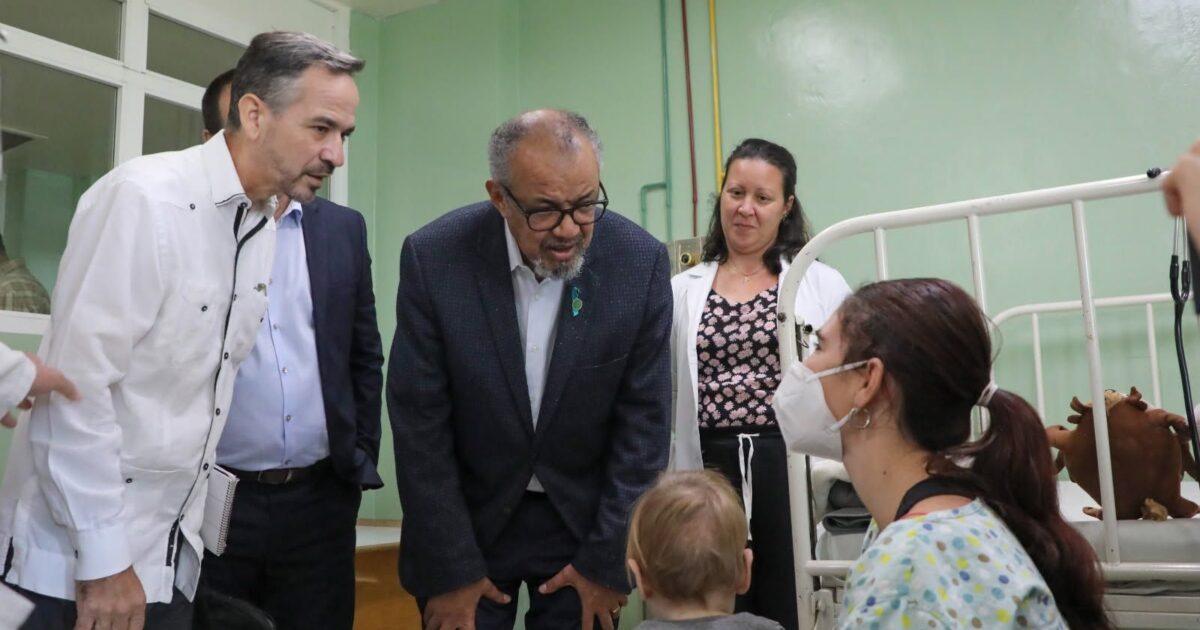
Tedros Adhanom Ghebreyesus announced a 2 million dollar allocation in Havana to strengthen immunization programs and supply essential medical equipment to health facilities.
Life Expectancy Drops over Four Years
During a three-day official visit, the director general of the World Health Organization warned that life expectancy in Cuba fell from 78.8 years in 2020 to 74.4 years in 2025. This marks the first recorded decline since tracking began in 1950. The reduction of more than four years reflects the deterioration of sanitary, economic, and energy conditions.
Infant mortality more than doubled over the same five-year period, rising from four deaths per thousand live births to 9.9. Maternal mortality also increased from 37.4 per thousand in 2019 to 44.1 in 2025.
I just returned from #Cuba, saddened by what I saw. Hospital corridors full of small hands holding big hopes. Health workers giving everything they have. Children should never pay for political disputes. I urge the US to lift the sanctions, for their sake. pic.twitter.com/nHWffZexDa
President Miguel Díaz-Canel said that the infant mortality rate stood at 9.9 earlier in the year. He said that more than 67 percent of basic medications were affected by shortages.
The Cuban leader received the WHO director at the Palacio de la Revolución alongside Health Minister José Ángel Portal Miranda, Deputy Foreign Minister Anayansi Rodríguez Camejo, and BioCubaFarma President Mayda Mauri Pérez. Díaz-Canel expressed gratitude for pronunciations made in March 2026 recognizing the effects of the energy blockade on Cuban health and thanked the organization for mobilizing extra cooperation and funds.

Hospital Visits and Vaccine Support in Havana
The WHO delegation toured pediatric facilities in the capital, including the William Soler Pediatric Hospital and Cardiocenter. Mario Cruz Peñate, the WHO representative in Cuba, described hospital conditions as impactant due to severe shortages of syringes, gauze, vaccines, and anesthetics.
During the tour of the William Soler institution, Dr. Alena Fontane, director of the pediatric center, noted severe challenges regarding disposable items and supplies, mentioning that the liver transplant program is currently detained while emphasizing that no services have been closed.
The newly announced funding aims to support the vaccination of approximately 62,000 newborns, over 780,000 children, and more than 110,000 individuals in other risk groups. The initiative also covers rabies prevention and control efforts. Cuba has maintained a very high vaccination coverage above 98 percent for many years, though coverage decreased to 95 percent in 2025.
Cuba’s hard-won public health achievements must be protected
Dr. Tedros Adhanom Ghebreyesus, World Health Organization
Between 2025 and 2026, the WHO and the Pan American Health Organization mobilized over 14 million dollars across 14 projects to sustain health services and support the medical workforce. The WHO director also held discussions with the United Nations Country Team and cooperation partners in Cuba regarding financial and strategic sustainability.
WHO Director Cites Sanctions Impact
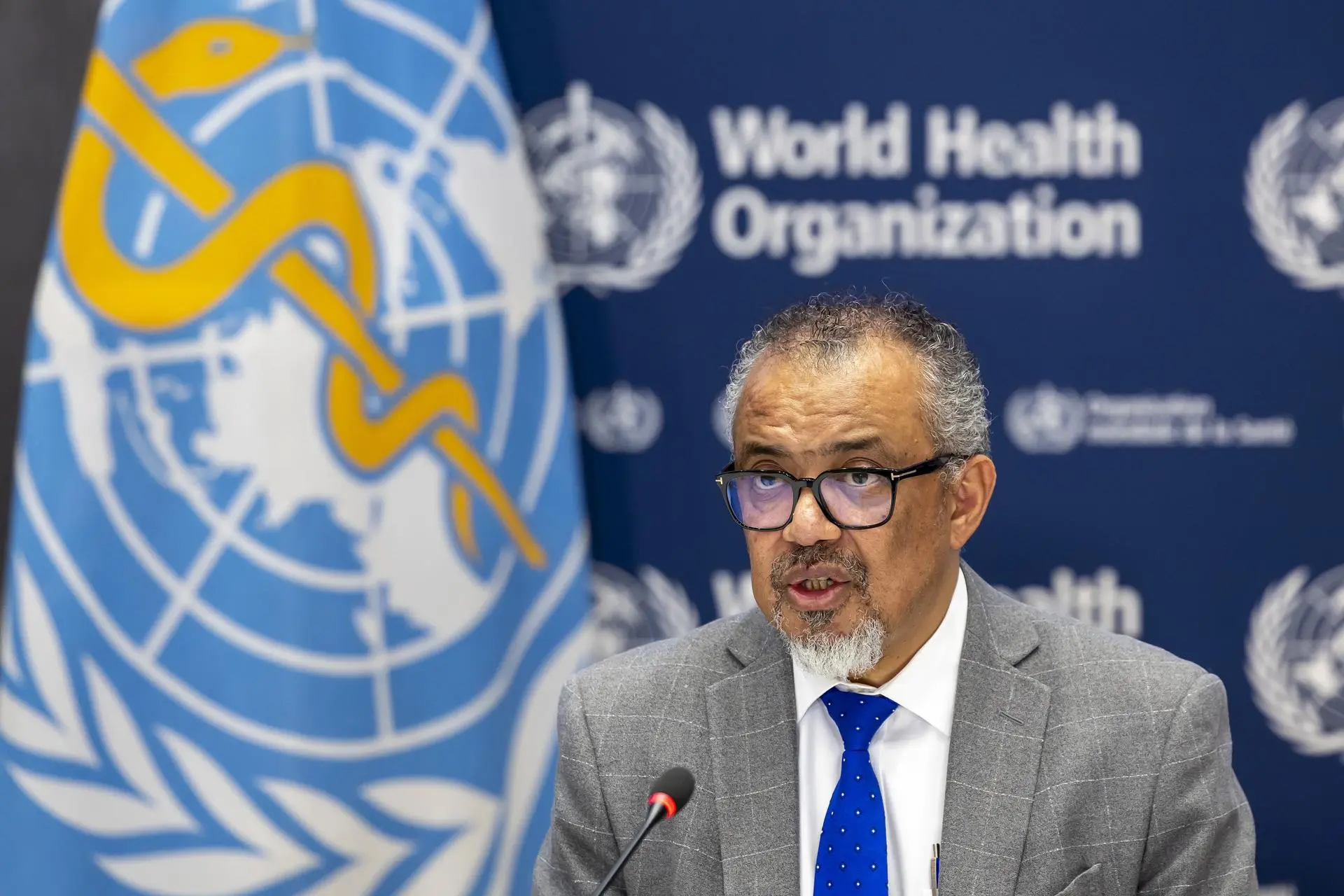
The director general of the World Health Organization, Tedros Adhanom Ghebreyesus, noted during a press conference that sanctions affect the health sector while acknowledging that the country also promotes a program to address internal difficulties, as reported by DIARIO DE CUBA and other outlets.
He recalled warnings from United Nations High Commissioner for Human Rights Volker Türk about the negative effect of sanctions on vulnerable populations, according to Cubahora. teleSUR reported his statement that human health and supporting services cannot be left at the mercy of unstable power supplies and geopolitics.
SANA reported that on January 29, the U.S. president issued an executive order declaring a national emergency regarding Cuba and calling its policies an unusual and extraordinary threat to national security. Presidencia de Cuba said that the First Secretary of the Central Committee of the Communist Party of Cuba recalled how that imperial policy impacts economic and social life, with a particular effect on the health system.
Data on Medicines and Demographic Declines
According to DIARIO DE CUBA, a Cubadata survey of 2,050 people in August 2022 found that 80,3% of participants had severe difficulty or could not obtain medicines. OnCubaNews reported that President Díaz-Canel stated in Granma that more than 67% of basic medications were affected.
DIARIO DE CUBA said that Cuba closed 2025 with 71,635 doctors, which is 3,729 fewer than the previous year according to the MINSAP Statistical Health Yearbook. Cubanet.org said that demographer Juan Carlos Albizu-Campos called official arguments attributing the drop to aging fallacious and contradictory. Instituto de Comunicación Social reported on press conferences regarding meetings held with the Finlay Vaccine Institute, the Center for Genetic Engineering and Biotechnology, and the Center of Molecular Immunology.
Appeals to Washington and Internal Pressures
Following his return from the island, Tedros published a direct appeal on social media regarding the impact of foreign policy on medical care.

As the Director-General of the World Health Organization since 2017, Tedros Adhanom Ghebreyesus exercises executive authority to mobilize and allocate emergency resources by assessing specific indicators of medical infrastructure stability and public health outcomes within a nation. His decision-making process is informed by his extensive background in global health governance, including his leadership roles in managing the Ebola and COVID-19 outbreaks.
During his tenure as the Ethiopian Minister of Health from 2005 to 2012, Tedros Adhanom Ghebreyesus refined his approach to resource distribution by prioritizing the rapid deployment of medical personnel and infrastructure development. By applying these strategic frameworks, he determines the necessity of emergency funding based on data such as infant mortality rates, vaccine coverage, and the availability of essential medical supplies in distressed health systems.
Cuban authorities emphasized that despite severe resource constraints and electrical outages affecting medical equipment, public health personnel continue to maintain core services. The government also pointed to ongoing domestic economic reforms aimed at opening opportunities for state and private enterprises.
Health Minister José Ángel Portal Miranda denounced the tightening of U.S. measures and said that over 10,000 patients have experienced disruptions in their radiology treatments amid shortages affecting generators, elevators, boilers, and water supply systems.