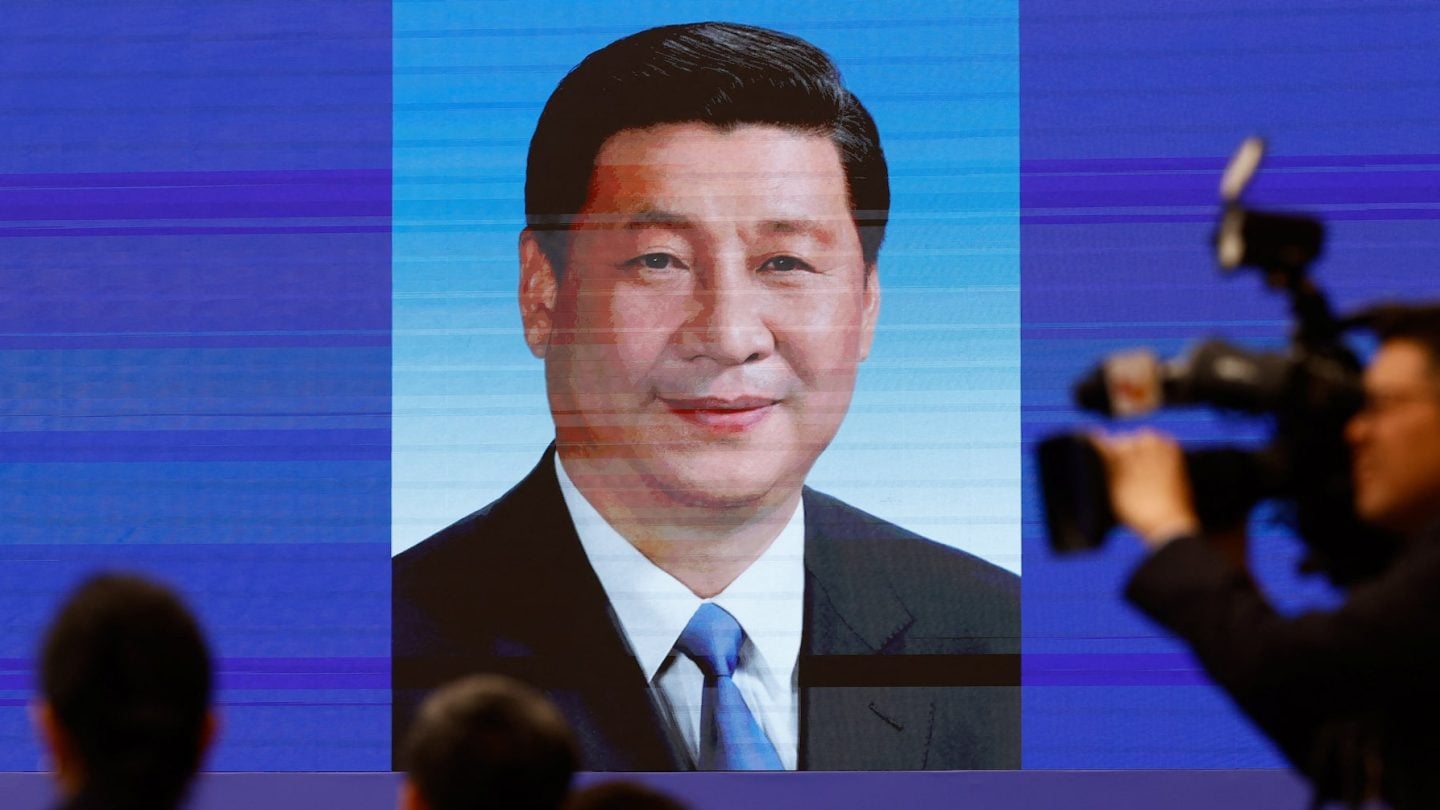
Chinese President Xi Jinping convened the Communist Party’s 20th Central Committee for its fifth plenary session in Beijing on October 26, 2026. The closed-door gathering centers on party discipline, sweeping anti-corruption purges, and preparations for a leadership reshuffle ahead of next year’s 21st Party Congress.
As senior cadres gathered inside a heavily guarded military hotel in Beijing, the meetings highlighted the unprecedented scale of political vacancies within the ruling party amid an aggressive anti-corruption campaign. Running through October 29, the fifth plenum focuses heavily on advancing what state media terms full and rigorous party self-governance, setting rules to close institutional loopholes and ensure officials implement central directives.
Central Committee Attendance Drops to Historic Lows Due to Purges
The closed-door meetings are marked by vacant seats reflecting a depleted political talent pool. Roughly 23% of the members of the Central Committee are absent from the proceedings, setting a new record for low attendance during Xi’s tenure.
Bloomberg: “An estimate by the Asia Society Policy Institute puts attendance at this plenum at about 291 members — or 77.4% of the original cohort with 376 members — following the purges.”https://t.co/ofWbpCX7H1
Within the military ranks, the People’s Liberation Army started its current term with 44 Central Committee members in 2022, but subsequent dismissals and expulsions have left only 17 standing.
Attendance at this meeting will be at a historic low – because of the anti-corruption measure.
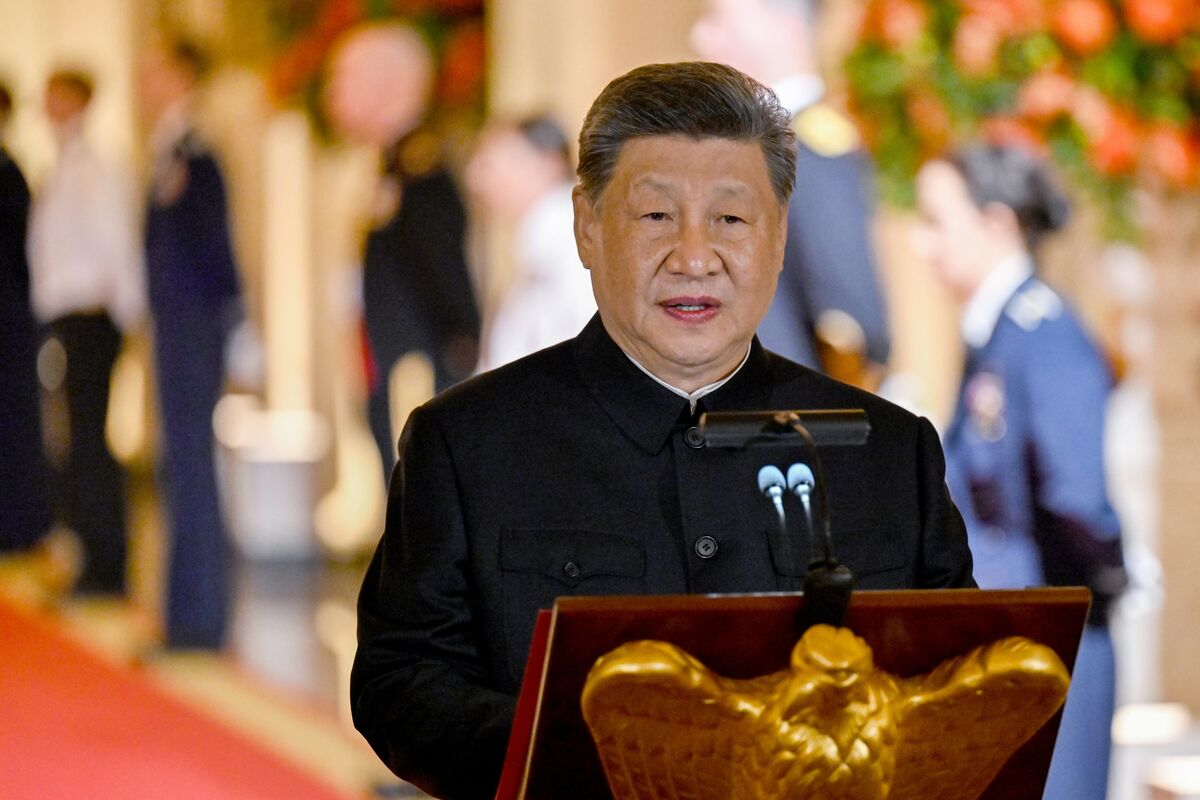
Discipline Enforcement and the Search for Successors
The focus on party building and ideological loyalty arrives just a year before the 21st Party Congress, where Xi is widely expected to secure a fourth five-year term as party leader. Analysts note that the current plenum serves to align the younger generation of rising officials with Beijing’s priorities, positioning the event as a key checkpoint for the world’s largest party and its 101 million members.
Ruby Osman, a senior policy adviser at London’s Tony Blair Institute for Global Change, observed that the gathering provides an opportunity to ensure the new generations rising through the ranks share Xi’s assessment of national risks and opportunities. Neil Thomas, a senior fellow at the Asia Society Policy Institute, indicated he anticipated increased demands for rigorous oversight regarding major spending initiatives, greater adoption of technological supervision to expose graft, and stricter penalties for officials failing to execute presidential priorities.
It feels good to have been months ahead of the @NYTimesChina on the Wang Qishan story.https://t.co/kiYniToSaXhttps://t.co/glNo542E08
Data from the party’s Central Commission for Discipline Inspection shows that more than 500 ministerial-level officials were probed, convicted, and expelled between 2012 and 2022, with more than 410 additional officials purged over the past three years alone.
What Remains Unresolved Ahead of the 2027 Leadership Reshuffle
While the plenum presents Xi as firmly in control of the party apparatus, the rapid pace of investigations has complicated the pipeline for upcoming personnel promotions.

Official commentary published by Xinhua emphasized that institutional rules must be refined to close loopholes and strengthen safeguards, ensuring that senior cadres dare not, cannot, and do not want to commit corruption. Yet, observers point out that replacing purged officials without established institutional trust leaves open questions regarding administrative stability as Beijing prepares for next year’s major personnel reshuffle.
As the current closed-door meetings continue toward their conclusion on Thursday, the discussions signal both the depth of internal transformation and the ongoing consolidation of political authority within the ruling party.
#China's high-powered political meeting this week in #Beijing and what it means for power-politics in the country.A piece from me.Click on the link:https://t.co/Kf907dmxj0
According to Victor Shih, a professor at the University of California, San Diego, the ongoing anti-corruption campaign has even touched individuals close to the Chinese leader, introducing further hurdles into the identification of suitable promotion candidates. Observers watching the proceedings from outside note that the shift from economic matters toward strict internal party administration highlights a priority on ideological conformity and institutional compliance as preparations for the 2027 leadership transition accelerate.
The current plenum follows a series of administrative adjustments across various levels of the party-state apparatus, where the average tenure for provincial party leaders has contracted significantly since the beginning of Xi’s administration. With the Politburo Standing Committee facing potential structural turnover under traditional age thresholds, the remaining sessions are expected to finalize frameworks for managing administrative vacancies and maintaining strict bureaucratic control.
>