Kalshi Markets Re-price NFL Defensive Rookie of the Year as Arvell Reese Overtakes David Bailey
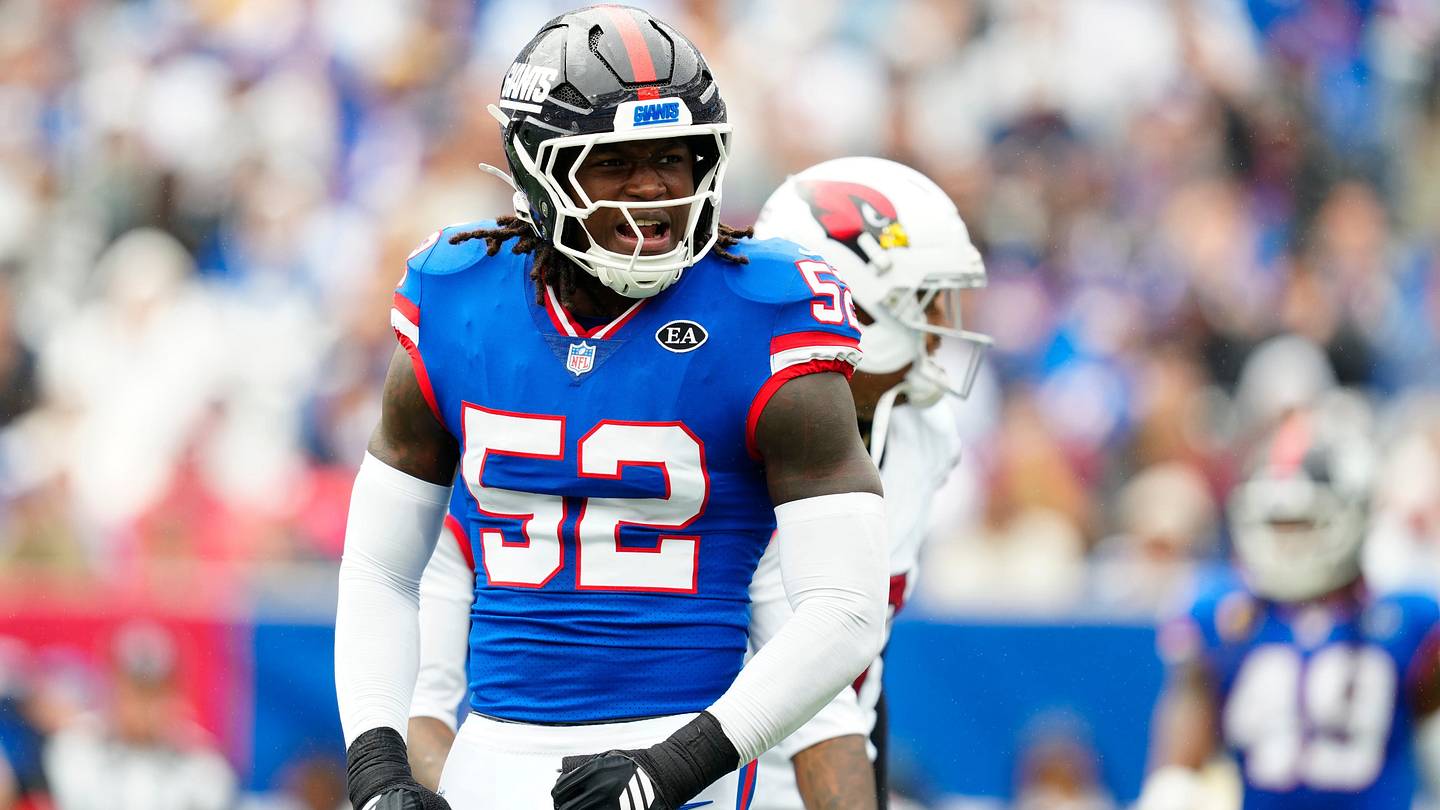
The market mechanics underpinning Kalshi’s NFL Defensive Rookie of the Year contract shifted significantly following Week 7 of the 2026 NFL season. Arvell Reese of the New York Giants captured the top position in the prediction market, drawing a 34% implied probability after a dominant performance against the Houston Texans. Sports Illustrated reported that Reese surged past New York Jets linebacker David Bailey, capitalizing on heavy defensive usage and consistent stat-sheet accumulation.
The Bottom Line:
- Arvell Reese holds a 34% implied probability on Kalshi to win NFL Defensive Rookie of the Year following Week 7.
- Reese displaced rival linebacker David Bailey after logging 55 total tackles, 1.5 sacks, and a 99.3% snap share over his first seven games.
- The two rookies have flipped the top spot on the market 24 times this season, highlighting extreme volatility for retail traders.
Volume, Usage, and the Giants Defense
Reese’s climb to the front of the Kalshi contract isn’t an anomaly of small-sample variance. Over seven games, the Giants rookie has amassed 55 total tackles—ranking second in the NFL among qualified defenders—along with 38 solo stops, 17 assists, 1.5 sacks, five tackles for loss, two quarterback hits, one interception, and four pass deflections. Sports Illustrated noted that Reese maintains a staggering 99.3% snap share across 438 total snaps, missing just 5% of defensive plays in Week 2 against the Chargers and playing every single snap in every other contest.
The financial translation of this heavy utilization is direct. High snap shares equate to sustained baseline floor production in tackles and defensive stops, shielding the asset from the volatility inherent in lower-usage edge rushers who rely heavily on high-variance sack numbers. In Week 7, during the Giants’ 27-21 victory over the Houston Texans, Reese added seven total tackles, one tackle for loss, and half a sack to his season ledger. That performance triggered his jump to the current 34% market leader position.
Bailey Counters with High-Impact Efficiency
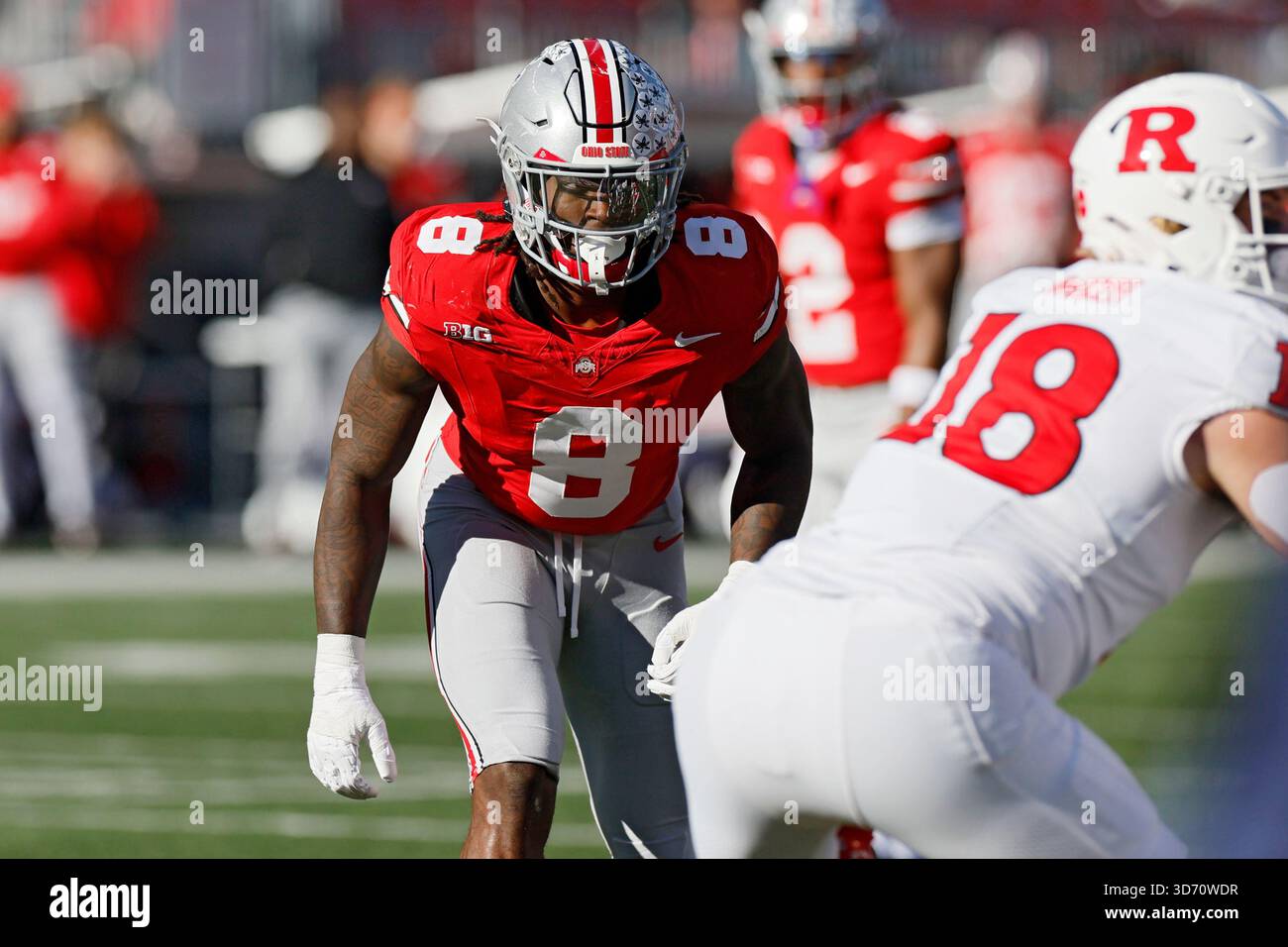
While Reese dominates through sheer volume and snap retention, Jets linebacker David Bailey remains a persistent threat at the top of the board. Bailey and Reese have traded the number-one position in the market 24 separate times throughout the season. Bailey counters Reese’s volume advantage with high-impact efficiency. Through seven games, Bailey has totaled 34 tackles, 5.5 sacks—tied for third in the league—seven tackles for loss, nine quarterback hits, and three forced fumbles, which ties him for the league lead.
Bailey achieves this production with significantly leaner usage. Sports Illustrated reported that Bailey has played 379 snaps, amounting to an 80.6% snap share on the season. However, institutional market participants tracking defensive tracking data note that Bailey’s usage has surged past 94% over the last two weeks, signaling that Jets coaching staff are expanding his defensive footprint.
Prediction Markets Price Defensive Awards Dynamically
Prediction markets like Kalshi price these defensive awards dynamically based on weekly snap counts, health, and box-score metrics. For retail participants, a $10 trade on Reese winning the DROY contract currently prices out to a $17.31 profit margin. Yet, betting markets tied to defensive awards carry high margin compression risks due to the subjective nature of season-end voting by the Associated Press panel.
Macroeconomic shifts and consumer discretionary spending habits indirectly intersect with these alternative asset classes. As retail brokerages and event-contract platforms expand access to sports-adjacent financial derivatives, casual participants increasingly allocate discretionary capital toward weekly NFL performance contracts. This mirrors broader financial trends where micro-cap sentiment and event-driven liquidity move in tandem with high-frequency retail trading volumes.
The race between Reese and Bailey will likely remain fluid as the NFL regular season crosses its midpoint. With divisional matchups intensifying in November, defensive coordinators will scheme to exploit or protect rookie tendencies, directly impacting the snap shares and defensive metrics that drive Kalshi’s order book.
Disclaimer: The information provided in this article is for educational and market analysis purposes only and does not constitute financial, investment, or legal advice. Always consult with a certified financial professional before making investment decisions.