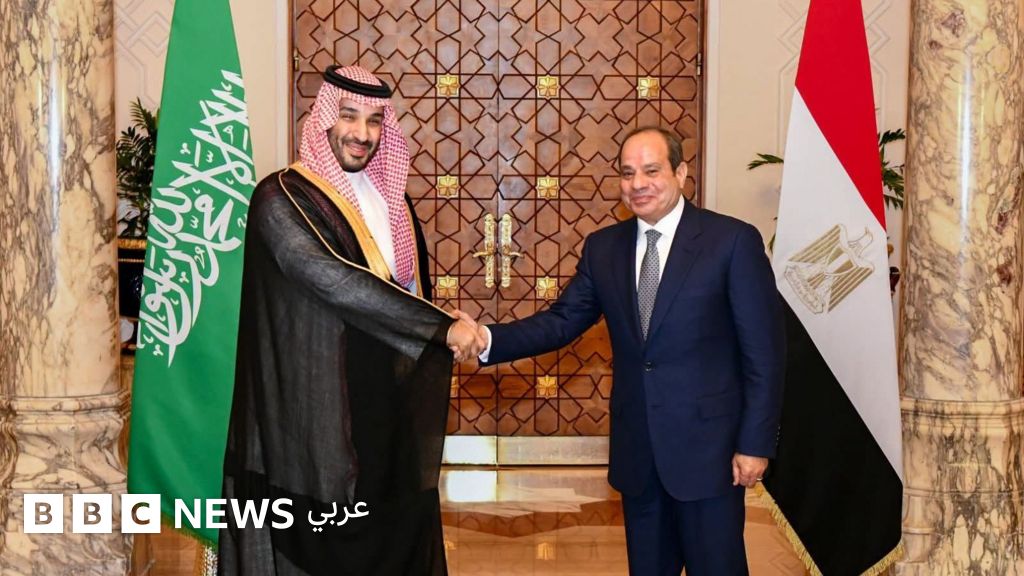
Cairo considers sending military support to Riyadh as regional tensions mount. Egypt's National Defense Council approved defensive assistance on Sunday, October 18, 2026, while the parliament delayed its vote on presidential authorization to October 26 amid domestic opposition and regional mediation efforts.
Egypt is moving closer to a potential military deployment in support of Saudi Arabia following a high-stakes request from President Abdel Fattah el-Sisi to the nation's parliament for authorization to take necessary defense measures. The decision follows a series of cross-border attacks by the Houthi movement targeting Saudi infrastructure, including strikes on King Khalid International Airport in Riyadh and the state oil company Aramco as reported by international coverage. The escalation has placed Cairo at the center of a complex diplomatic and strategic calculus involving regional security, economic survival, and historical caution.
National Defense Council Supports Kingdom as Parliament Delays Vote
Following a presidential call for a parliamentary mandate, Egypt's National Defense Council voted on Sunday to provide all forms of necessary support to the kingdom, including safeguarding its security, stability, assets, territorial integrity, and Islamic holy sites according to a presidential statement. However, the House of Representatives chose to postpone its binding vote. After meeting in a closed session on Monday, October 19, parliamentary leaders announced that the vote using roll-call by name would take place on Monday, October 26.
While ruling-aligned majorities dominate the legislative body, political opposition figures and small parties such as the Tagammu Party, the Wafd Party, the Al-Adl Party, and the Republican People’s Party expressed divergent stances on the deployment.
Military Capabilities and the Limits of Intervention
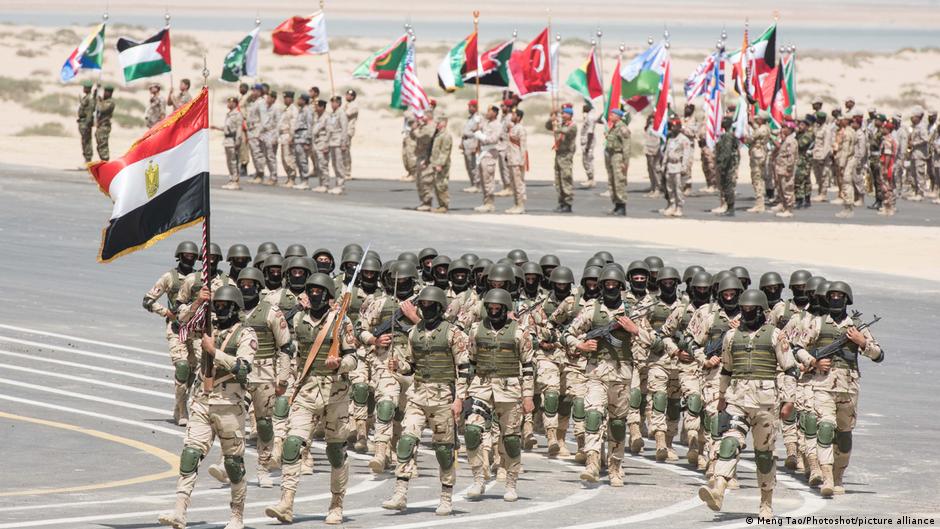
Military analysts and security experts emphasize that any Egyptian contribution would likely center on defensive posture rather than offensive ground combat in Yemen. Historical memories of Egypt's military involvement in Yemen between 1962 and 1967 continue to influence strategic planning in Cairo, with experts noting that a ground invasion is widely excluded and that previous participation in the 2015 coalition focused primarily on maritime security in the Red Sea and the Bab el-Mandeb strait.
Instead, security specialists suggest the deployment would focus on air defense systems, naval patrols, and intelligence sharing. National security expert Mohamed Abdel Wahid noted that the Egyptian armed forces possess institutional experience across air, naval, and land domains, though asymmetric drone and missile warfare present distinct operational challenges.
Economic Pressures Influence Ties with Gulf Financial Supporters
The timing of the proposed deployment intersects with severe economic pressures inside Egypt, where inflation remains above ten percent and foreign currency needs are acute amid rising food and fuel costs. Gulf financial support has historically served as a vital pillar for Cairo's financial stability, with Saudi central bank deposits exceeding five billion dollars currently under discussion or renewal according to financial reporting and regional analysis. Commentators from the Egyptian government and regional bodies maintain that bilateral ties rest upon enduring strategic partnerships rather than transactional exchanges.
At the same time, instability in the Red Sea has exacted a direct toll on Egyptian state revenues. According to World Bank data, Egypt lost about 11 billion dollars in Suez Canal revenues between December 2023 and July 2025 due to commercial shipping disruptions and vessel rerouting away from the Bab el-Mandeb strait. The International Organization for Migration further reported that ongoing conflict and rapid displacement in Yemen have driven more than two hundred thousand people from their homes, the vast majority since early September.
Egypt’s National Defense Council, after failing to deploy soldiers in defense of Palestine, pledges “all forms of support” to Saudi Arabia as Cairo moves toward possible military intervention in support of the Kingdom.■ “The National Defense Council affirmed its commitment to… pic.twitter.com/bbn1tOXIfL
Opposition Rejects Military Involvement While Diplomacy Seeks Settlement
The Civil Democratic Movement alongside figures such as Medhat Zahed issued statements rejecting the involvement of the Egyptian armed forces in external wars as noted in political statements published by local media.
Lawmaker Mostafa Bakri indicated on social media that the one-week delay in the parliamentary vote directly relates to ongoing Egyptian diplomatic efforts to broker a political settlement. Concurrently, Al-Azhar called for an urgent mediation committee composed of regional wise figures, while Foreign Minister Badr Abdelatty engaged in diplomatic exchanges on the sidelines of the Organization of Islamic Cooperation to condemn attacks against Saudi territory and advocate for peaceful resolutions.
More on Saudi Arabia
Egypt’s National Defence Council, chaired by President Abdel Fattah Al-Sisi, on Sunday affirmed Egypt’s full solidarity with Saudi Arabia and readiness to provide all necessary and possible forms of support to defend the kingdom’s security, stability and territorial integrity… pic.twitter.com/uJIxdaaRqB