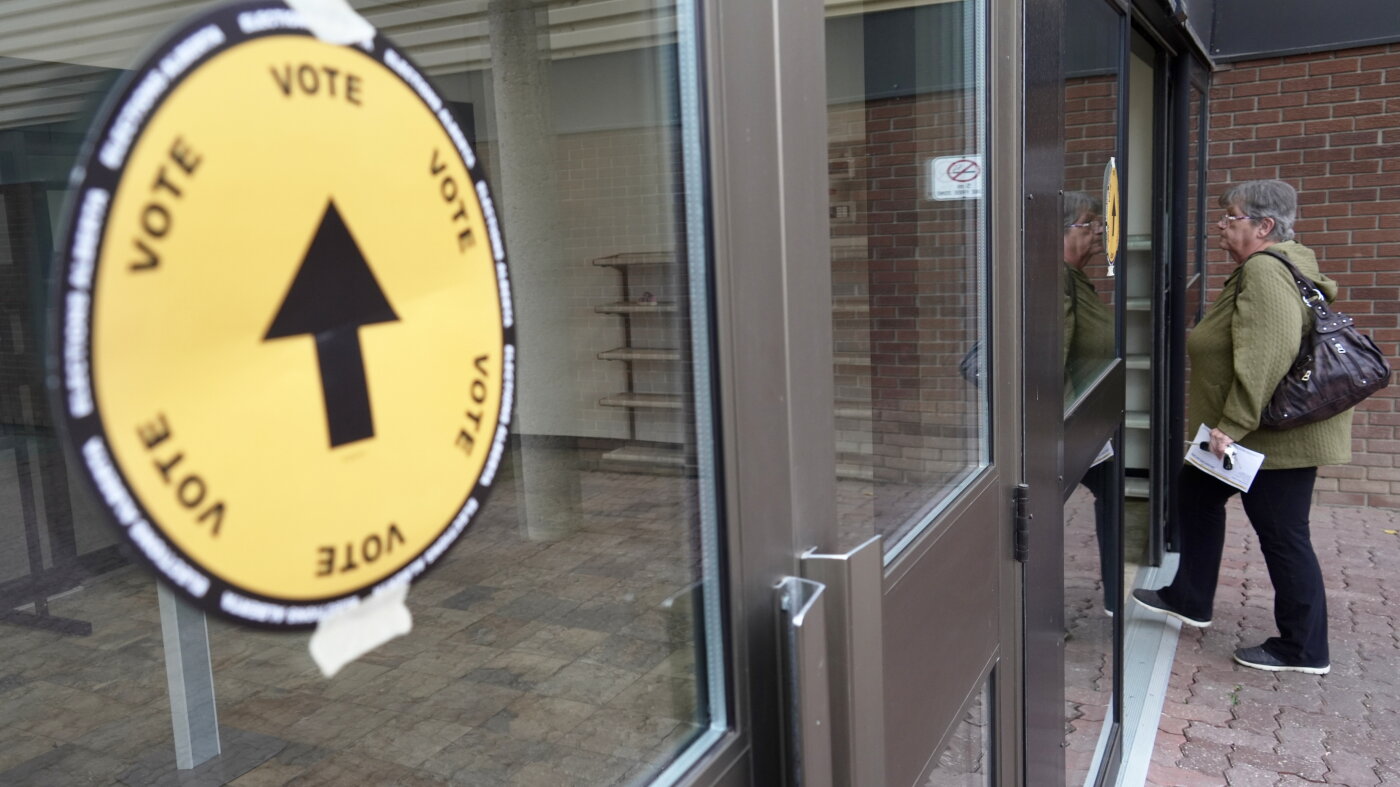
Voters in Alberta overwhelmingly rejected a proposal to initiate the process toward independence in a referendum held Monday. With approximately 1.8 million votes counted, 76 percent of residents supported remaining in Canada, delivering a significant political victory for Prime Minister Mark Carney amid ongoing trade tensions with the United States.
Albertans Decisively Reject Independence in Referendum
The ballot question, which asked Albertans to choose between remaining in Canada or beginning a legal path that could lead to a future separation vote, resulted in a decisive win for federalists. According to unofficial results from Elections Alberta, the rejection of the independence push was clear across the province. While some outlets reported a 76 percent margin of support for the status quo with 1.5 million ballots counted, later figures with 1.8 million votes confirmed the 76 percent trend, with roughly 24 percent of voters backing the separation process.
The process faced logistical hurdles on voting day. Results were delayed by more than two hours after over 100 of the 1,400 polling stations experienced late openings, necessitating extended hours. Despite the delays, participation appeared robust.
Prime Minister Mark Carney’s Unity Campaign
For Prime Minister Mark Carney, the outcome serves as a strategic reinforcement of his national unity platform. Carney, who spent his youth in Edmonton, had campaigned heavily in the province, urging residents to vote like Canada's future depends on it, because it does.
Following the release of the results, he framed the vote as a definitive moment for the country.
Albertans made a clear choice. They chose unity, to build together, and to take care of each other. Above all, Albertans chose Canada.
Mark Carney, Prime Minister of Canada
Carney suggested the victory provides a mandate to pursue national energy and trade initiatives. He has recently partnered with the provincial government to advance a new pipeline project for exporting Alberta bitumen, an endeavor that had stalled under previous federal leadership. He has worked to improve relations between Ottawa and the province since taking office last year.
🚨 ALBERTA REJECTS SEPARATION FROM CANADA — 76% VOTE TO REMAIN, BUT ENERGY DISPUTE WITH OTTAWA CONTINUESVoters in Canada’s oil-rich province of Alberta overwhelmingly rejected a proposal Monday to begin the legal process toward independence, handing Prime Minister Mark Carney a…
Premier Danielle Smith Acknowledges Vote for United Canada
Alberta Premier Danielle Smith, who called for the referendum to address internal pressure from the separatist wing of her party, acknowledged the results while signaling a need for continued provincial advocacy.
Smith indicated that the vote should settle the secession question, yet she acknowledged the frustrations that fueled the movement. Albertans have voted for a stronger Alberta in a united Canada,
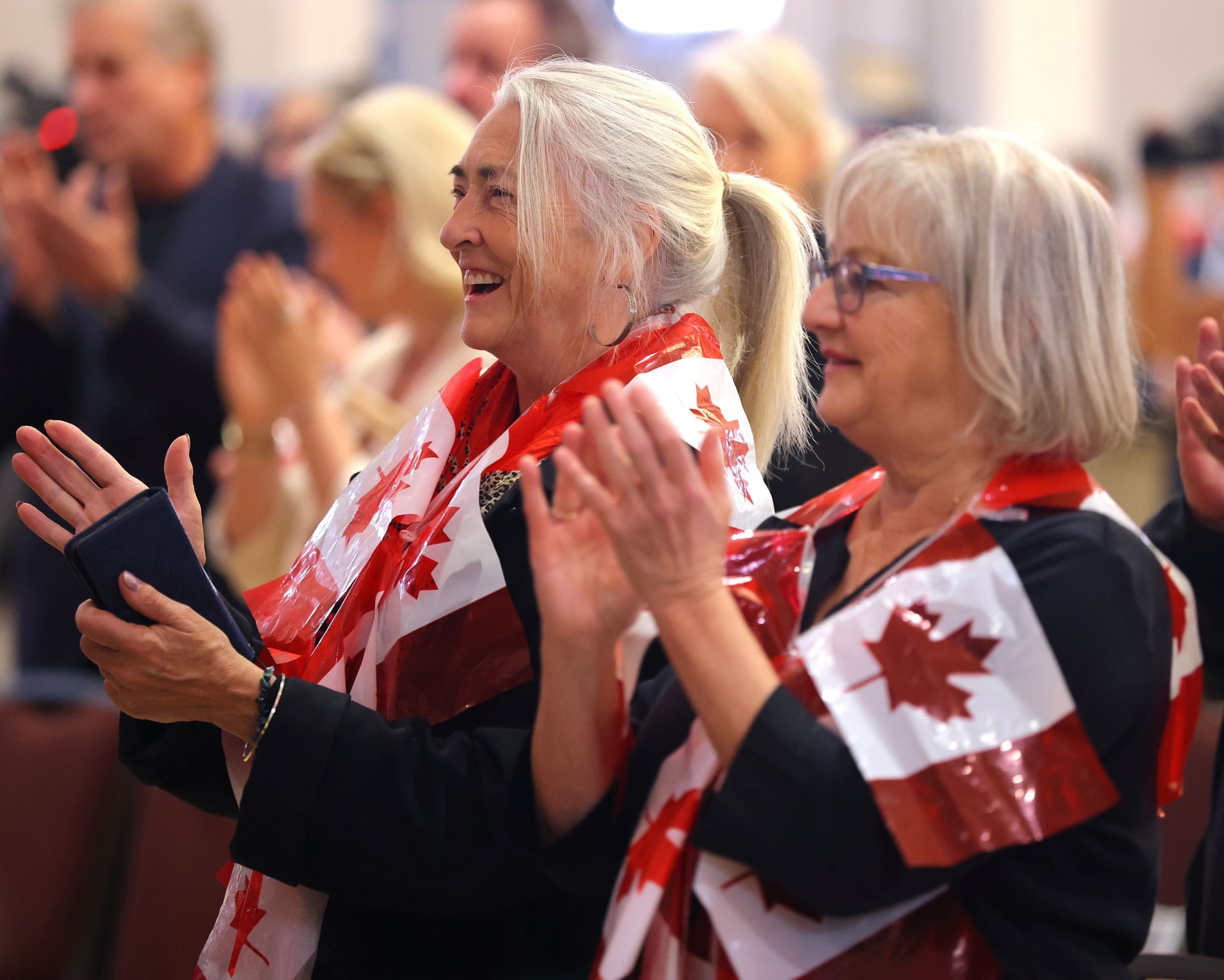
Smith stated in a post on social media. Her administration had previously cited polls showing that, while a minority, roughly 22 percent of the population held pro-independence views—a figure she described as still too high. Thomas Lukaszuk, a former Alberta deputy premier who led the Forever Canadian campaign against separation, echoed the sentiment of unity, telling supporters, We are a solid country that's united from coast to coast to coast.
Independence Leaders Intend to Maintain Political Activity
Despite the lopsided result, leaders of the independence movement expressed their intent to maintain their political activity. Jeff Rath of the Alberta Prosperity Project characterized the campaign as a long-term endeavor that has successfully shifted the provincial discourse. Rath, who maintains that the UCP could splinter into a new pro-independence party, stated that he would have been thrilled to see 30 percent support for the separation process.
Other separatist figures, such as Keith Wilson, noted that the results demonstrate a lingering dissatisfaction with federal policy. Wilson argued that at least a quarter of Albertans feel that Alberta needs to be treated better
by the central government. For supporters of the movement, the vote was not the end of a process but a baseline for future organizing. Echoing the frustration of some voters, Dustin Degenhardt, a Wainwright resident, remarked that Alberta has essentially been treated as, you know, a colony,
while others like Dave Malka criticized the expenditure of funds on a referendum on a referendum
rather than on essential services like healthcare. Nevertheless, opponents of separation, such as Calgary Mayor Jeromy Farkas, maintained that the city’s best future is here, as a Canadian city.