Gilbert Bigio, Haiti’s first billionaire and a central figure in the country’s industrial and political life, died in Florida on September 29 at age 91. His death follows decades of immense wealth accumulation in sectors spanning steel, energy, and shipping, alongside intense international scrutiny over alleged ties to armed criminal gangs.
The businessman’s death in Florida on Sept. 29 closed a formidable chapter in Caribbean commerce and regional history. Born in Port-au-Prince on June 10, 1935, Bigio was the son of Sephardic Jewish immigrants. They arrived from Syria in the late 19th century. They initially built family wealth in cotton, cacao, and wood exports. Over the decades, his influence expanded across the impoverished island nation through a sprawling commercial empire.
Building the GB Group Empire Across Steel, Energy, and Deepwater Shipping
Bigio touched Haiti’s economy in nearly every corner. His holding company became a dominant force in the country’s economy. The conglomerate was long known as the GB Group and eventually renamed BGO. It had interests spanning steel, energy, logistics, consumer goods, construction, and banking. The enterprise supplied cooking oil and soap to households. It produced steel from Haiti’s only steel mill for builders. It also operated port facilities for shippers.
The foundations of that industrial power took root in 1972. Bigio and other investors established Aciérie d’Haiti, the nation’s first steel mill. Decades later, in 2012, the group acquired Chevron’s fuel distribution network across Haiti, Jamaica, and the Dominican Republic. That deal transformed the enterprise into regional energy players. Bigio’s grandest infrastructure ambition culminated in the construction of Port Lafito. It is a deepwater container terminal just north of Port-au-Prince that opened in 2015. At the height of his influence, the group employed more than 2,000 people. Operations are currently led by his son, Reuven Bigio, who took over leadership of the conglomerate in 2018.
Canadian Sanctions and the Intersection of Wealth and Armed Gangs
Bigio’s career faced intense international scrutiny regarding his political influence and alleged ties to armed groups despite his status as an industrial pioneer. Canada sanctioned him in December 2022 alongside two other prominent Haitian businessmen.
Gilbert Bigio, founder of GB Group and one of Haiti’s most prominent private-sector titans, has died at 91. Bigio built a regional commercial empire spanning steel, energy and Port Lafito, while drawing international scrutiny and sanctions in his later years. pic.twitter.com/nqMO4kvEpc
Ottawa added that the sanctions were intended to put pressure on those responsible for ongoing violence and instability in Haiti. The Bigio family consistently and vigorously denied these accusations. Some analysts questioned the practical effect of the measures, describing them as largely symbolic.
Armed gangs expanded their stranglehold over political and economic life, controlling large portions of Port-au-Prince and major highways. This followed the 2021 assassination of President Jovenel Moïse and the absence of a functional government. Johnston, the analyst, pointed to the argument frequently invoked by Haiti’s elites regarding the economy.
Armed gangs expanded their influence amid prolonged political instability and a weakened state. This followed the 2021 assassination of President Jovenel Moïse. According to International Monetary Fund reports, some of economic elites employ gangs for close protection.
Historical Scrutiny and Offshore Financial Holdings
The 2022 Canadian penalties were not the first time Bigio faced government restrictions. The U.S. Treasury Department reportedly froze assets belonging to Bigio and other prominent figures during Haiti’s 1991 military coup. Those figures were accused of supporting the overthrow of President Jean-Bertrand Aristide. Those restrictions were lifted after Aristide returned to power in 1994 following U.S. intervention.
Bigio’s financial affairs drew renewed attention in the 2021 Pandora Papers investigation. Years later, the International Consortium of Investigative Journalists reported that Bigio was connected to at least a dozen shell companies created in tax havens like the Bahamas. Fritz Alphonse Jean, the former director of Haiti’s central bank and a former prime minister, criticized the lack of institutional fairness surrounding the accumulation of such wealth.
Jean also criticized the absence of meaningful social responsibility in the operations of the nation’s wealthiest enterprises.
Diplomatic Service and Life Away from Public View
Bigio maintained a distinct diplomatic and cultural footprint outside his corporate empire. He served as Israel’s honorary consul in Haiti for 25 years. He spent considerable time away from Port-au-Prince in a 9,200-square-foot mansion on a man-made island in Biscayne Bay known as Indian Creek. It is a high-security Miami enclave often called the Billionaire Bunker.
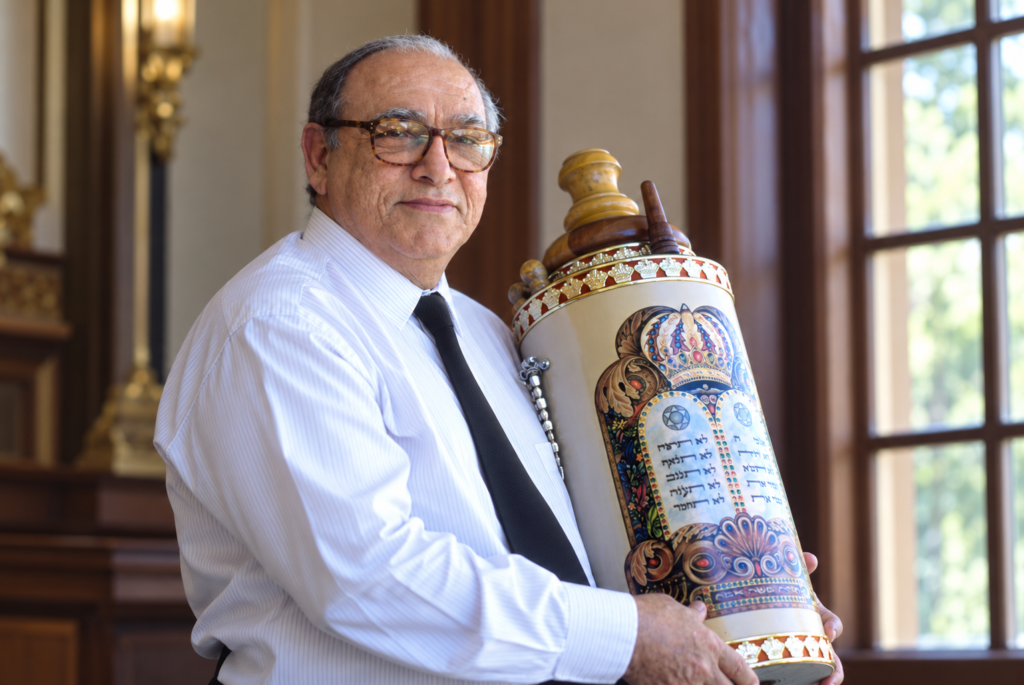
Bigio was known for supporting local Jewish religious life in a country with a small Jewish community.
International observers and financial institutions maintained that the nation’s small economic elite held pervasive influence over politicians despite his personal activities. Bigio is survived by his wife, Monique, his son, Reuven, and his daughters, Yael and Laurence.