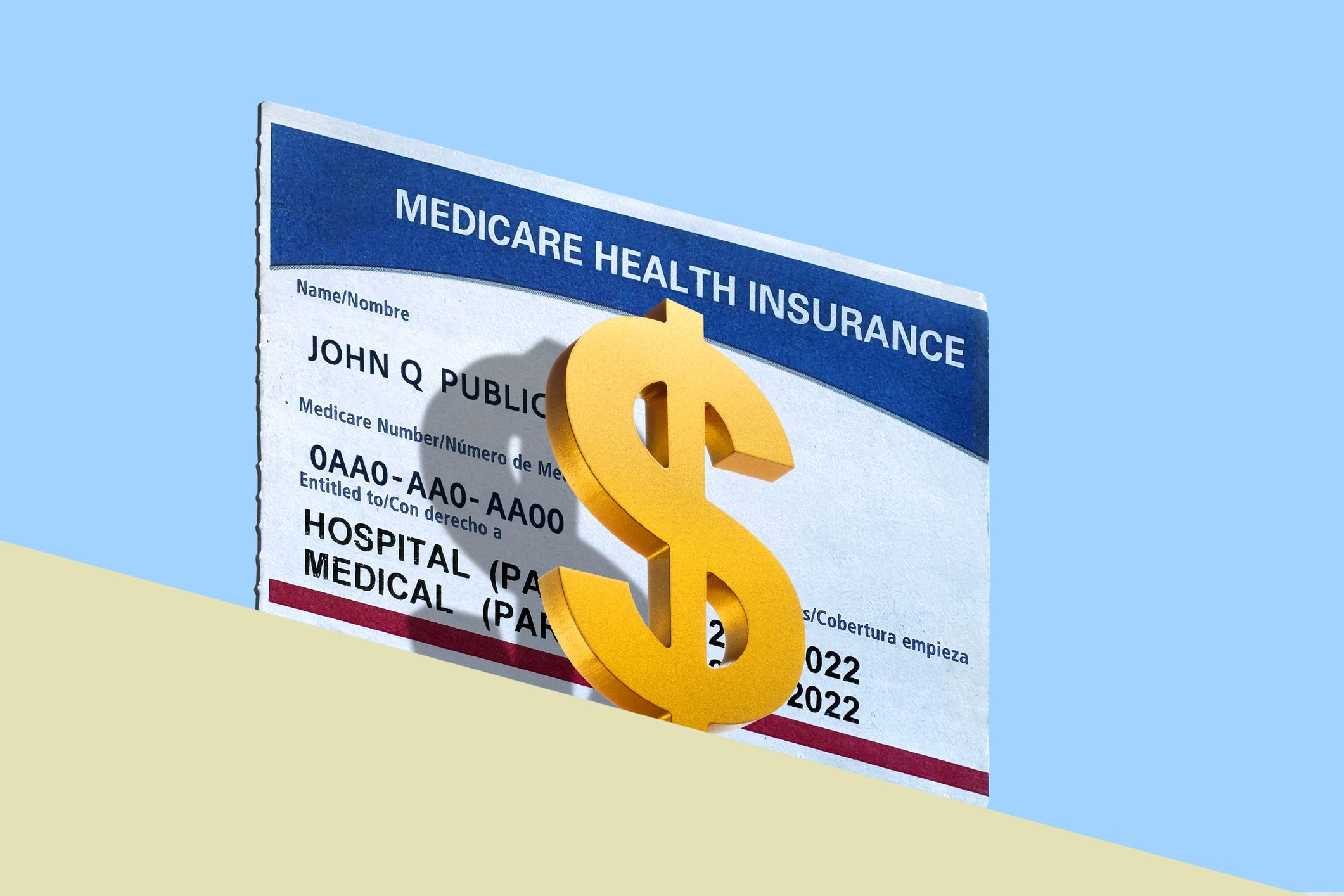
Retirees will see their standard Medicare Part B monthly premium rise by $6.50 next year, climbing to $209.40 starting January 1, 2027.
The adjustment comes as the federal government prepares to distribute a 3.6% cost-of-living adjustment for Social Security beneficiaries. While that annual bump aims to ease financial pressures for older Americans, the simultaneous healthcare increase will absorb a notable share of the new money before it ever reaches a recipient’s bank account.
Federal Rate Adjustments and Healthcare Spending Growth
The Centers for Medicare & Medicaid Services announced that the standard monthly Part B premium will increase by 3.2%, moving from $202.90 in 2026 to $209.40 in 2027. Officials attributed the higher baseline figures directly to projected increases in healthcare spending.
Alongside the monthly premium, the annual Part B deductible will increase by $9, moving from $283 to $292. For a beneficiary paying the standard monthly rate across all twelve months, the total annual cost reaches $2,512.80, compared to $2,434.80 under the 2026 schedule.
Hospital coverage costs are also shifting. The Part A inpatient hospital deductible, which covers inpatient care, skilled nursing facilities, hospice, and certain home health services, will rise by $40 to reach $1,776. However, federal data indicates that 99% of Medicare beneficiaries do not pay a Part A premium because they or their spouse accumulated sufficient covered work history.
The standard monthly Part B premium for 2027 was formally announced by the Centers for Medicare & Medicaid Services alongside updated rates for inpatient care, deductibles, and coinsurance amounts. The agency said that the formal notices are on public inspection at the Federal Register.

Prior historical shifts show that the standard monthly premium stood at $144.60 in 2020 before climbing through subsequent years, including a 14.5% jump in 2022 that was driven in part by projected spending on the Alzheimer’s drug Aduhelm. Juliette Cubanski, director of the program on Medicare policy at KFF, pointed out that the 2027 adjustment is less steep than the 10% increase seen in 2026.
Impact on Monthly Social Security Checks
Because standard Part B premiums are automatically deducted from Social Security payments before disbursement, the $6.50 monthly increase directly offsets the anticipated cost-of-living boost. The 3.6% cost-of-living adjustment raises the average retired worker’s monthly benefit by approximately $75, lifting the average check to $2,170. After the Medicare adjustment is factored in, that average net raise drops to roughly $68.50.
Financial analysts note that flat-rate premium increases affect beneficiaries differently depending on their base benefit amount. Because the percentage cost-of-living adjustment scales with the size of an individual’s payment, smaller checks absorb a significantly larger proportion of the healthcare hike. Kelly LaVigne, vice president of Consumer Insights at Allianz Life, observed that Americans clearly understand how healthcare expenses can threaten their retirement security.
| Current Monthly Benefit | 3.6% COLA Raise | Raise After Part B Hike | Percentage Absorbed |
|---|---|---|---|
| $1,500 | $54 | $47.50 | 12% |
| $2,095 (Average) | $75 | $68.50 | 9% |
| $3,000 | $108 | $101.50 | 6% |
Federal figures show that more than 5.7 million retired workers received less than $1,000 a month in Social Security benefits. For a recipient receiving a $1,000 monthly payment, the 3.6% cost-of-living adjustment adds $36, meaning the $6.50 premium increase consumes about 18% of the raise.
Shannon Benton, executive director of The Senior Citizens League, emphasized that seniors should not assume they are getting ahead financially simply because the COLA exceeds the percentage increase in Part B premiums.
Benton said that the additional Part B payment immediately reduces the raise for beneficiaries whose premiums are deducted directly from their monthly checks. Individuals who have not yet claimed Social Security or those delaying retirement benefits until age 67 or later may receive bills directly from Medicare rather than having the cost automatically withheld.
Surcharges for Higher-Income Beneficiaries
The standard premium applies to the vast majority of enrollees, but roughly 9% of Part B beneficiaries with higher incomes will pay an income-related monthly adjustment amount on top of the base rate. For 2027, these surcharges begin for individual filers with a modified adjusted gross income exceeding $112,000, and for married couples filing jointly with an income above $224,000.
High earners will face Part B surcharges ranging from $15.40 to $502.40 per month, alongside a monthly Part D prescription drug surcharge ranging from $15.40 to $96.40. These income-related adjustments are calculated using tax returns from two years prior, meaning that a large retirement account withdrawal or asset conversion from 2025 can influence 2027 healthcare costs.
Individuals who experience life-changing events, such as retirement, can request a new determination from the Social Security Administration if their financial circumstances change. For those whose incomes exceed $112,000 but remain below $388,000, total monthly payments reach specific higher tiers such as $670, while earners at or above $388,000 pay $711.80 per month. The Social Security Administration informs affected individuals of these determinations through official notices detailing the exact surcharge reasons and amounts.
Beneficiaries going through open enrollment can review their options, check their Annual Notice of Change documents, and verify drug formularies, premiums, copays, and deductibles before the December 7 deadline. Those seeking direct assistance with specific Medicare questions can contact program representatives through official channels.
Retirement savings projections compiled across financial analyses show the scale of potential medical expenses. On average, a 65-year-old leaving the workforce may need substantial personal savings dedicated exclusively to covering out-of-pocket healthcare costs throughout retirement.
Federal registers and administrative filings formalize these adjustments each November, establishing the baseline parameters that govern medical insurance billing for the upcoming year.

As beneficiaries prepare for the transition into the new year, financial planners advise careful review of income thresholds, premium deductions, and coverage alternatives to minimize unexpected financial strain during retirement.
The interplay between annual benefit adjustments and rising healthcare costs remains a central factor in retirement budget planning for millions of Americans.
Official publications from the Centers for Medicare & Medicaid Services continue to serve as the definitive source for these rate schedules and administrative definitions.
Founded in 1965 as the Bureau of Health Insurance under the Social Security Administration, the Centers for Medicare & Medicaid Services began by covering 19 million Americans. It operated as the Health Care Financing Administration from 1977 until adopting its current name on July 1, 2001. Today the agency employs over 6,000 people and administers Medicare while partnering with states on Medicaid and the Children’s Health Insurance Program.
Final rates, deductibles, and surcharges officially take effect across the country on January 1, shaping the financial outlook for senior healthcare coverage nationwide.