Soaring wholesale costs driven by the Iran war will lift the average UK household energy bill by 26 percent in January 2027.
The hike pushes the annualised price cap from £1,723 to £2,166 for a home in England, Scotland, and Wales using typical amounts of gas and electricity on direct debit, according to industry regulator Ofgem. The increase adds £443 a year, or £36.91 a month, to domestic costs, marking the highest quarterly cap since the second quarter of 2023.
International Energy Agency Warning on European Winter and the Strait of Hormuz
International Energy Agency executive director Dr Fatih Birol warned that energy prices could climb “even higher” if Europe faces a harsh winter and the Strait of Hormuz remains closed.
While Dr Birol does not anticipate physical fuel shortages, he cautioned that ongoing supply constraints could push tariffs past the newly announced 26 percent rise. Everything hinges on whether maritime traffic through the Strait of Hormuz resumes in a manner that convinces global markets, he noted during an appearance on the BBC’s Sunday with Laura Kuenssberg programme.
Everything will depend on, first of all, if the Strait of Hormuz is going to be opened and in a convincing way for all the market. If this doesn’t happen, and if we have a harsh winter in Europe, we may have difficulties. I don’t think that we will have shortages, but we may see even higher prices than we have now.
Dr Fatih Birol, executive director of the International Energy Agency
Wholesale gas prices paid by suppliers surged by 33 percent over the three-month assessment period and have more than doubled since late 2025. Ofgem said that the impending cap rise stems entirely from those higher wholesale expenses, driven primarily by the Middle East conflict.
Permanent Shifts in Global Energy Security
Describing the current situation as the largest energy security threat in history, Dr Birol asserted that the global market cannot revert to its pre-war state.
Impossible. The vase is broken. Once it is broken, you cannot bring it back together with the UHU.
Dr Fatih Birol, executive director of the International Energy Agency
He added that the combined impact of 1970s oil shocks and the gas disruption following Russia’s invasion of Ukraine remains smaller than the current shock affecting oil, natural gas, and fertilisers.
Today’s announcement means the energy price cap will rise in January. We're providing breathing space: ☑️£100 Household Energy Payment ☑️Targeted debt relief ☑️Extending the VAT cut from electricity bills until July But there is more to do. Energy Secretary @Miatsf explains 👇 pic.twitter.com/DkzIfLJoQN
Government Relief Measures and Political Response
To assist households through the winter months, the government announced £100 payments starting January 4 for up to 20 million households in England, alongside equivalent funding for Scotland and Wales. Approximately 20 million households on standard variable tariffs face the 26 percent cap increase, whereas about 10 million households on fixed-rate deals remain shielded while their contracts hold.
Energy Secretary Miatta Fahnbulleh acknowledged public concern over the escalating expenses.
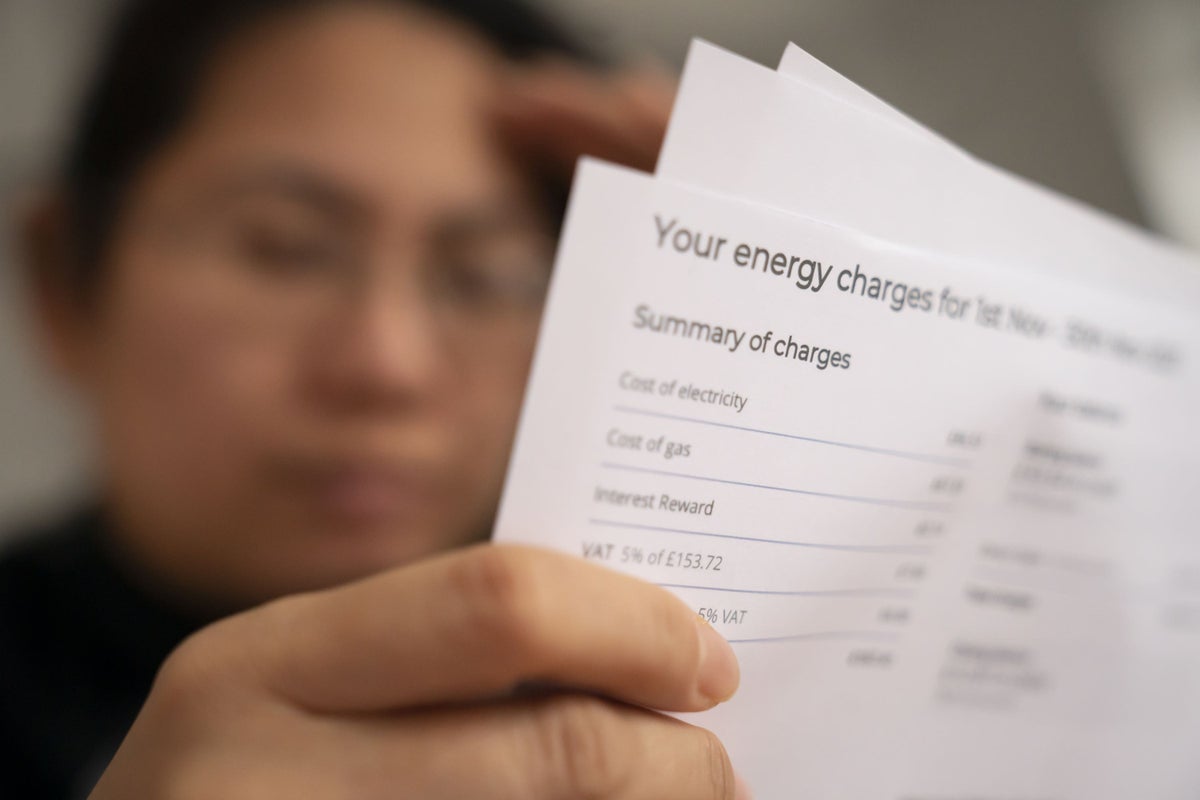
I know people are deeply concerned by another rise in energy bills. For too long, British families have been paying the price for conflicts overseas and volatile fossil fuel markets.
Miatta Fahnbulleh, Energy Secretary
Minister Bridget Phillipson admitted that the announcement brings difficult news for families, affirming that further government intervention is necessary.
Debate Over Domestic Oil and Renewable Solutions
Dr Birol maintained that the project would exert zero influence on international oil prices and contribute just 0.02 percent in government tax revenues, concluding it is “not a game-changer”.
Serving as executive director of the International Energy Agency since 1 September 2015, Fatih Birol previously worked his way up to the job of chief economist, a role in which he was in charge of the organization’s closely watched World Energy Outlook report.
During his leadership of the Paris-based international organisation, he has coordinated three emergency oil stock releases and broadened the Agency’s energy security mandate to include electricity, natural gas, renewables and critical minerals.
Instead, he urged policymakers to prioritize modernizing infrastructure through wind farms and solar panels.
The quarterly energy price cap will rise by 26% from 1 January 2027. This is a cap on energy unit price plus standing charge, not a cap on total bills. More ⬇️https://t.co/QmAhKit67o pic.twitter.com/dbeFHxYw1N
We have to build a system in the UK now that’s much more modern, much more nimble, affordable. It is what the UK needs.
Dr Fatih Birol, executive director of the International Energy Agency