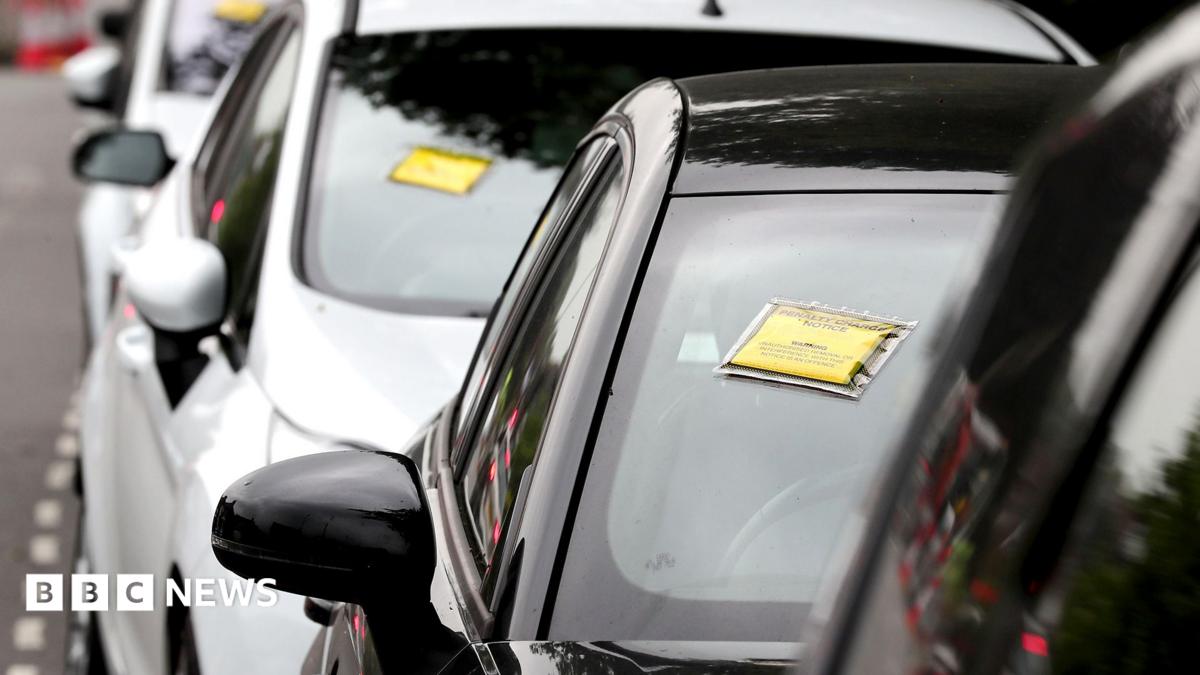
Prime Minister Andy Burnham has unveiled a new private parking code of practice for England, Scotland, and Wales, giving drivers a mandatory five-minute arrival grace period, a 10-minute departure window, and capped fines for minor mistakes to curb rising private enforcement costs.
Motorists across the UK face a changing enforcement landscape under new rules announced by the government to challenge unfair private parking charges.
An initial framework was enacted in early 2019, followed by an official code of practice launched by the administration at the start of 2022—though it survived less than half a year before multiple legal challenges from parking operators forced its cancellation. In a fresh push, an industry code of practice already exists while new rules have been announced by the British Parking Association, the International Parking Community, and the government.
Analysis of government data by the Press Association and the RAC Foundation reveals that private firms issued a record 16.9 million parking tickets in the year 2025-26, representing a 17% increase from a year earlier. With individual tickets worth up to £100, the data suggests drivers could collectively face private parking charges worth more than £4.6m each day.

New Grace Periods and Lower Fines for Honest Mistakes
Under the upcoming framework, drivers will receive a guaranteed five-minute window upon arrival to decide whether to stay and park, alongside a 10-minute grace period to leave a car park after their session expires before facing any penalty.
Fines will be canceled entirely on appeal for valid reasons, including short stops to check directions, vehicle breakdowns within the car park, medical emergencies, or broken and out-of-service ticket machines. Highlighting the severity of past penalties, the rollout pointed to a Derbyshire car park incident where a motorist faced a £1,906 court claim after exceeding the payment window by just over five minutes.
Appeals will restrict penalties to a maximum of £20 for minor errors like leaving out a parking permit, mistyping a vehicle registration number, or omitting details at a payment machine.

Being a few minutes late back to your car or typing one digit of your numberplate wrong shouldn’t end with a hefty fine landing on your doormat. These charges leave people feeling ripped off and out of pocket, so I’m putting a stop to them.
Andy Burnham, Prime Minister
The administration is keeping the maximum possible parking penalty capped at £100, mirroring the limit set in the existing private parking Code of Practice. Operators who fail to comply with the new code risk losing access to crucial Driver and Vehicle Licensing Agency vehicle keeper data, stripping them of the ability to pursue vehicle owners for fines.
Motoring Groups and Consumer Watchdogs Welcome Better Protections
Reactions from motoring organizations and consumer watchdogs highlight a mixed reception to the government’s intervention.
After seven long years, drivers finally have something which could offer them better protections against the worst private parking operators. For too long, many private parking operators have aggressively attacked drivers to the point where many simply pay up if they receive a charge from one on the doorstep.
Jack Cousens, head of roads policy at the AA
Pointing out that this £50 figure matches the limit previously applied to specific penalties under the revoked guidelines, the consumer organization contended that the updated regulations fall short of empowering motorists to effectively challenge predatory parking practices. They also highlighted that the current approach appears to be a less generous system than the original rules, which required the cancellation of a parking charge in all mitigating circumstances.
Simon Williams, head of policy at the RAC, called the new code a step in the right direction while noting that further reform is still needed. Complaints about poor behaviour by some operators are rife, and many people feel they would not get a fair hearing if they appealed fines, with numerous motorists fearing potential legal action.
Upcoming Consultations on Debt Recovery Fees
The consultation will evaluate whether to reduce or eliminate the additional charges entirely. These debt recovery fees are currently capped at £70, and officials have faced calls to ban them completely from being added on top of Penalty Charge Notices.
Meanwhile, the administration has also called for the replacement of current industry-run appeals bodies with a single independent alternative to ensure drivers receive a fairer evaluation when disputing penalties.