SpaceX and Tesla Valuation Reset Following Democratic Midterm Gains
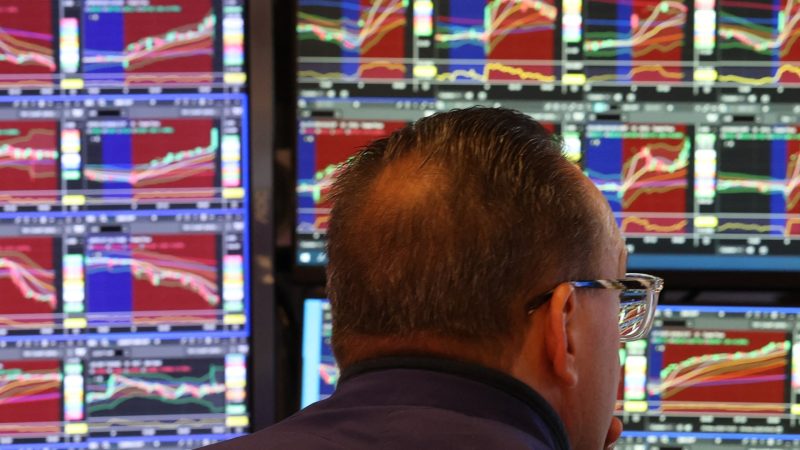
Shares in SpaceX and Tesla plummeted on Thursday as a broader sell-off hit the tech sector in the wake of significant Democratic victories in the midterm elections. The market response was immediate and sharp, with the tech-heavy Nasdaq Composite index shedding more than 5% during early trading sessions. SpaceX shares fell by more than 9% by lunchtime, while Tesla shares retreated by over 11%. This volatility marks a sudden shift in institutional sentiment, as investors grapple with the prospect of a more restrictive regulatory environment for data center expansion and artificial intelligence infrastructure.
The Bottom Line:
Useful gut check on Elon Musk's spending this cycle and how much of a 'rebuke' it's possible to deliver a trillionaire: "In relative terms, it was akin to a 55-year-old with the median U. S. net worth of about $411,000 spending a little more than $217." https://t.co/UPXEpWcVqy
- Tesla and SpaceX shares both saw significant declines by lunchtime, reflecting investor anxiety over Texas politics.
- The Philadelphia Semiconductor Index dropped 10% as market participants priced in potential moratoria on data center construction in key states.
- Analysts at Goldman Sachs have estimated that Democratic gains at the state and local levels could jeopardize approximately 45% of planned US data center capacity expansion.
Regulatory Hurdles and the Texas Data Center Moratorium
The core of the market’s unease centers on Texas, a state that has been a primary hub for both SpaceX and Tesla operations. The Democratic win in Texas—alongside the election of James Talarico—has created a new, high-friction regulatory roadmap for Musk’s companies. Governor-elect Gina Hinojosa campaigned on a platform explicitly targeting data center proliferation, pledging a moratorium on new construction within the sector. For firms like SpaceX, which have increasingly leaned into AI compute as a revenue driver, this policy shift represents a direct threat to capital expenditure efficiency.
The market is now recalibrating its expectations for the proposed merger between SpaceX and Tesla. Dan Ives, managing director at Yorkville, noted that while a merger remains a potential corporate maneuver, the path to completion in 2027 is now fraught with significantly tougher regulatory oversight. This political shift in Washington and Texas forces a re-evaluation of the synergy models previously touted by Musk during his recent quarterly earnings calls.
Guess my election-interfering space lasers didn’t work this time 🤷♂️
Wall Street Digests Cooling AI Infrastructure Capital Outlays
Wall Street is currently digesting the reality that the massive capital outlays for AI infrastructure may face a cooling-off period. Susannah Streeter, chief investment strategist at Wealth Club, pointed to a “fresh panic” hitting the Nasdaq and S&P 500, driven by the realization that current investments might not yield the returns initially projected by bullish market participants. The concern is that the high-growth trajectory of the AI trade is colliding with the physical reality of building out power-hungry data centers in a climate of increased local opposition.
While industry leaders like OpenAI president and co-founder Greg Brockman and Meta’s president Dina Powell McCormick have acknowledged the need for better community engagement, the market is not waiting for a public relations turnaround. The semiconductor sector has been hit particularly hard, with AMD falling more than 14% and Nvidia dropping nearly 9% on Thursday. As investors look toward 2027 and 2028, the expected growth rate for hyperscaler capital expenditure is now forecast to moderate significantly.

Impact on the Main Street Portfolio
The turbulence in the tech sector is not confined to institutional balance sheets; it has tangible consequences for the American public. A significant portion of 401(k) portfolios and retail retirement accounts are heavily indexed to the S&P 500. When these indices sustain a 3.8% drop—as seen by Thursday’s lunchtime trading—the immediate effect is a contraction in household net worth. A potential slowdown in data center construction in states like Texas could dampen local job growth and tax revenue, impacting regional economies that rely on the tech boom.
The “Smart Money” is currently moving toward liquidity, moving away from high-beta tech stocks that rely on rapid, unencumbered infrastructure build-outs. As the market digests the implications of the midterm results, the focus remains on whether these companies can pivot their communication and compliance strategies to satisfy local regulators. For now, the premium once attached to AI-centric growth stocks is being aggressively stripped away, leaving a market that is far more sensitive to fiscal tightening and legislative risk.
As I mentioned before, Elon Musk was the biggest loser in these elections. Here's my interview with @Newsweek https://t.co/lTJP0GOqED
The trajectory for these assets remains uncertain as the industry awaits official policy updates from the incoming administration in Texas. The current market correction is as much about the fear of the unknown—specifically, the scope of the promised data center moratoria—as it is about the actual financial results of the firms involved.
Disclaimer: The information provided in this article is for educational and market analysis purposes only and does not constitute financial, investment, or legal advice. Always consult with a certified financial professional before making investment decisions.
For every traceable dollar Musk put into races that have been decided, more than 99 cents went to a race he lost.https://t.co/WTxd8qO1f4