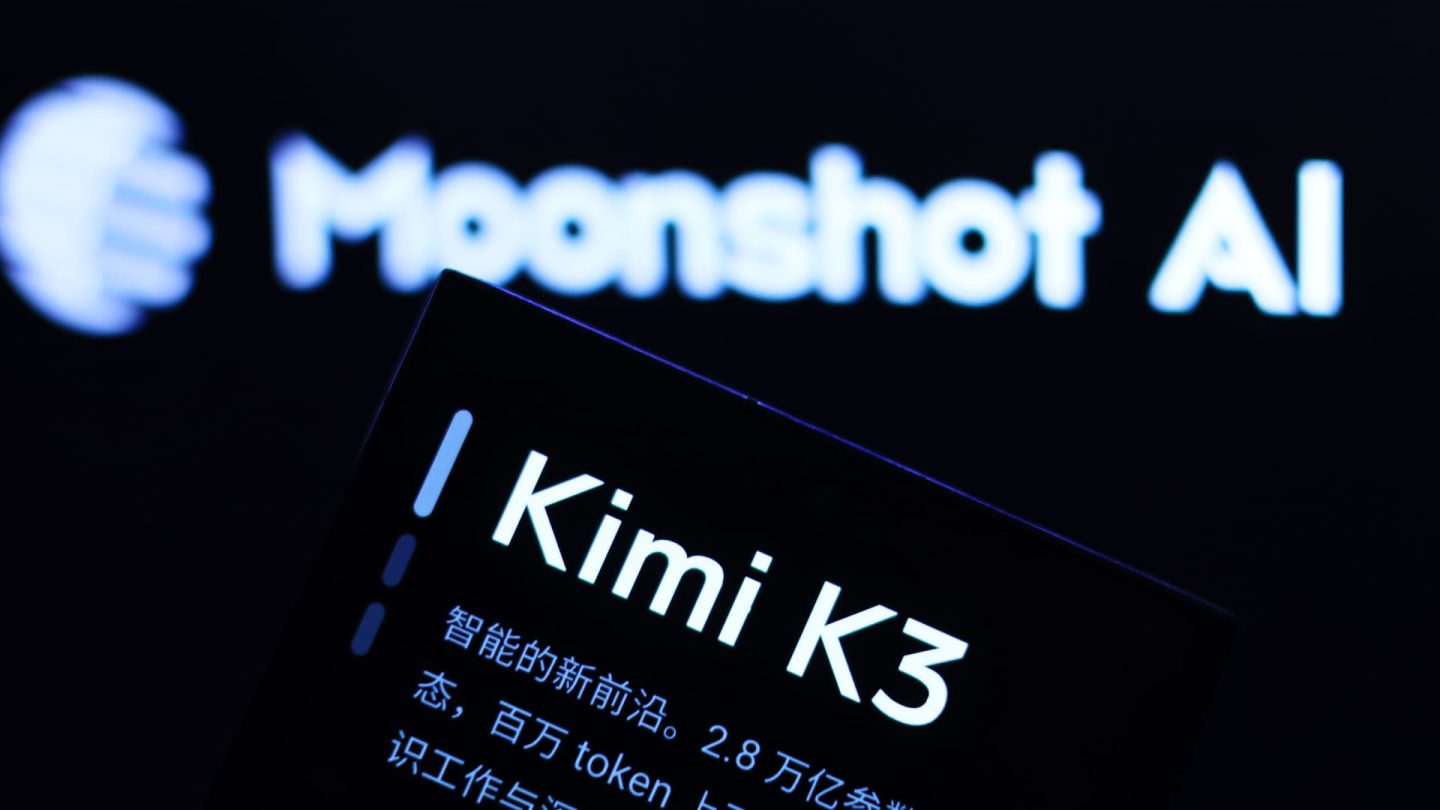
Beijing-based Moonshot AI has sought to lease Nvidia Blackwell computing capacity from data centers in Europe, according to four people familiar with private negotiations. The move marks an attempt by the Chinese developer to access advanced hardware while navigating U.S. export controls that restrict the physical shipment of such chips into China.
Negotiations for Blackwell Clusters in Europe
Sources indicated that Moonshot AI has explored access to clusters containing 8,000 or more Nvidia Blackwell GPUs. One source described the company’s pursuit of this computing power as very aggressive.
These European discussions specifically concern this remote-access route, rather than a proposal to ship Blackwell hardware into China.
Chinese AI Lab Seeks NVIDIA Blackwell Chips Through European Data Centers China's Moonshot AI has reportedly explored renting Nvidia's advanced Blackwell computing capacity in Europe, potentially circumventing US restrictions on chip exports to China. Key Details – Source:…
While the chips themselves would remain in overseas facilities, the arrangement would allow Moonshot to utilize their performance for its Kimi family of models. Two sources identified interest in European inference clusters, while one source also described interest in training clusters.
Providers Demand Higher Upfront Payments to Mitigate Regulatory Risks
To mitigate the risk of potential future bans on remote-access agreements, providers and financing firms have proposed lucrative upfront terms. One source stated that a proposal required Moonshot to pay 30% to 50% more upfront than a non-Chinese customer would typically provide. Receiving a higher percentage of the contract’s value at signing reduces the exposure of neoclouds to revenue loss if the legal framework changes. The proposed upfront premium shows that remote capacity carries commercial and regulatory exposure of its own.
Current U.S. export controls focus on the physical movement of chips, but they do not explicitly prevent companies from using the output of that hardware through overseas cloud services. In July 2026, the White House stated that Moonshot had accessed Blackwell chips via a facility in Thailand, a revelation that one source noted preceded the discussions regarding European capacity.
Congressional Proposals for Remote Access Restrictions
Legislative efforts to close the remote-access loophole are currently pending in the United States. As of November 5, 2026, the Remote Access Security Act had passed the House of Representatives but had not passed the Senate, leaving it a proposed change rather than an enacted restriction.
Kimi K3 has received far more love than we expected, and our GPUs are feeling it. Over the past 48 hours, demand has pushed close to the limits of our current capacity. To protect the experience of existing subscribers, we're temporarily pausing new subscriptions and…
Regarding geopolitics and chip access, the world's clouds rely on foreign-made chips, and the model and application layers will be foreign-built as well.
Capacity Demands for Kimi K3
The search for additional compute follows significant growth for Moonshot’s Kimi models. Founded in 2023, the Beijing-based company released Kimi K3 in July 2026. According to the technical blog for the model, it is a 2.8-trillion-parameter system featuring native vision and a one-million-token context window, accessible via Kimi.com, Kimi Work, Kimi Code, and the Kimi API. After the release, the firm halted new sign-ups for a short time to safeguard the performance for current users—who remained unaffected—while promising to increase capacity rapidly and restore subscription access in waves.

While the company has sought to expand its resources, the official status of these European rental deals remains unconfirmed. Moonshot AI, Nvidia, the White House, the U.S. Department of Commerce, the Chinese embassy in the U.K., and China’s Ministry of Foreign Affairs did not respond to requests for comment.