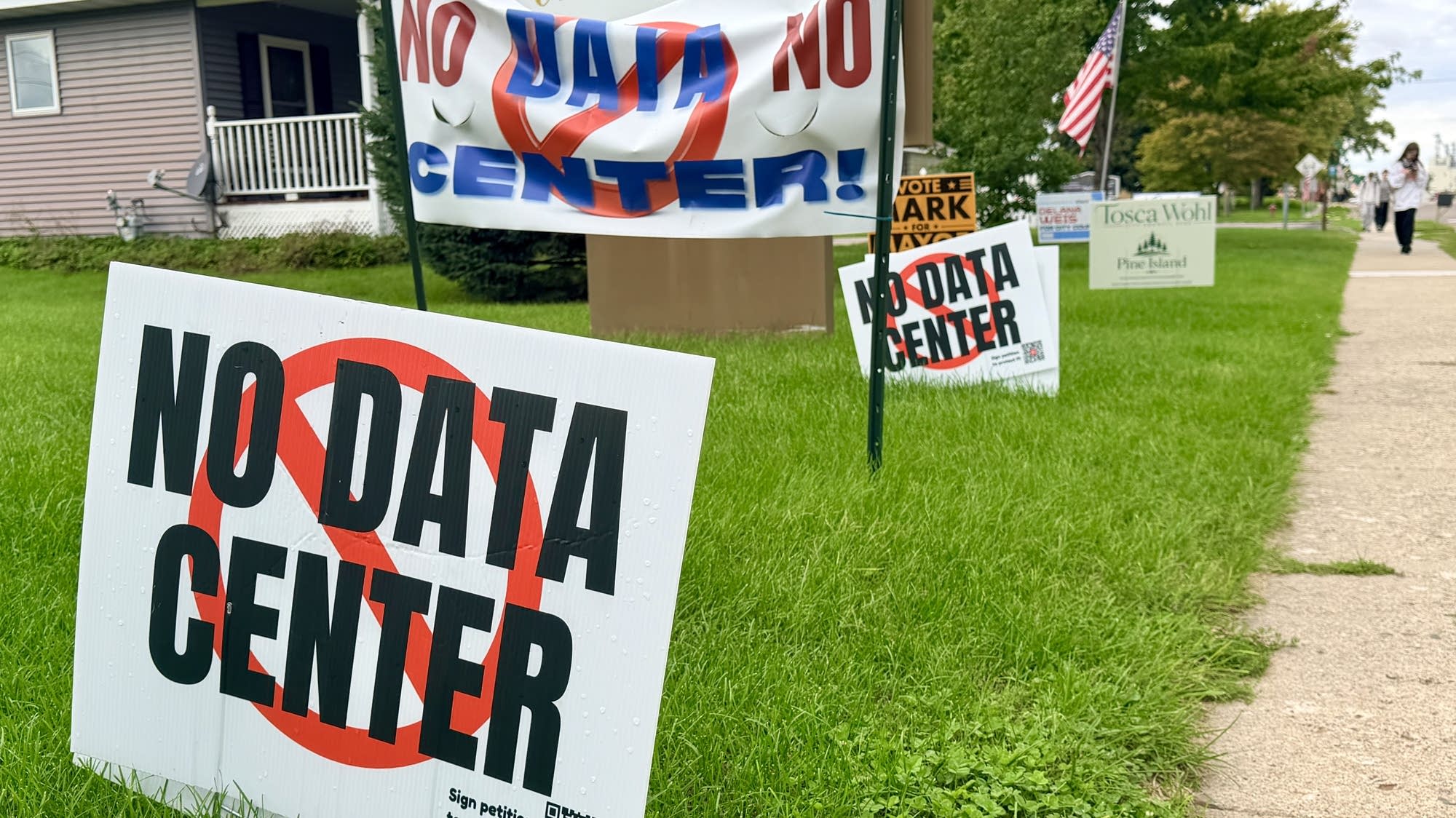
The quiet rural areas of Minnesota’s small towns have become the latest battleground for the infrastructure of the digital age. In a series of local elections that concluded this week, voters in communities like Pine Island and Hermantown sent a clear signal to their local governments: the rapid, often opaque development of massive data centers is no longer a welcome fait accompli.
A Political Shift in Pine Island and Hermantown
The pushback is not merely a localized grievance; it is a recurring political theme that resonated across the country, from Ohio to Texas. In Pine Island, a town of 4,000 residents, the sentiment turned into a decisive electoral outcome. A political neophyte campaigned on a platform of opposition to a planned Google data center and secured two-thirds of the vote, unseating the incumbent interim mayor who supports the project. This result highlights a widening gap between municipal leadership and the electorate regarding the scale of industrial development in residential areas.
The situation in Hermantown mirrors this tension. Two political newcomers won seats to the city council, outpolling an incumbent who voted to approve the massive project just last week. For Emma Richtman, who led the field with 36 percent of the vote, the victory was deeply personal. Having evolved from an everyday mom to a citizen activist through the group Stop the Hermantown Data Center, she viewed the campaign as a necessary intervention. “It’s so validating,” Richtman said. “It feels like a public referendum on the community’s feelings about this data center.”
Transparency and the Price of Secrecy
While some residents oppose the data centers based on environmental or land-use concerns, a significant portion of the backlash stems from a perceived lack of transparency. In Hermantown, voters expressed frustration over city officials signing non-disclosure agreements that effectively silenced public discourse for over a year while project negotiations were underway. This sentiment was echoed in Pine Island, where residents felt sidelined by officials who hashed out project details in secret.
“I personally don’t know if I’m for or against the data center. But what I am against is the lack of transparency, the idea that a lot of this happened underground, before anybody knew anything that was happening.” — Leann Fahlsing, lifelong Hermantown resident
This frustration transcends traditional party lines. Jack Liabraaten, an 81-year-old Republican in Hermantown, described the project as something being “shoved down our throats.” He found common ground with other voters who prioritized the diligence of candidates like Richtman and Candi Mock, who spent hours parsing through dense documentation to provide clarity to their neighbors. The issue has created a rare, cross-partisan alignment, with residents from across the political spectrum uniting under a shared demand for accountability.
Electoral Results Trigger Rigorous Project Oversight
The electoral results do not automatically halt the projects, but they signal a more rigorous oversight process. In Pine Island, the Google data center is currently on hold following a recent settlement that mandates a more thorough environmental review overseen by the Minnesota Pollution Control Agency. Mark Lang, the mayor-elect, expressed a desire to find common ground while ensuring the community’s voice remains central to future discussions.
Meanwhile, the legal fight in Hermantown continues. The Minnesota Center for Environmental Advocacy and Stop the Hermantown Data Center have filed a lawsuit in St. Louis County court, arguing that the project’s environmental review doesn’t meet state requirements. As Abigail Hencheck, a staff attorney for the Minnesota Center for Environmental Advocacy, pointed out, the goal is to secure a thorough study comparable to the one now required in Pine Island.
Not every community reached the same conclusion. In Monticello, the electoral message was more fragmented. While Mayor Lloyd Hilgart retained his seat by a slim 40-vote margin against an opponent who opposed a proposed hyperscale data center, the city council saw a shift with the election of Derek Armstrong, who has raised concerns about the project. These split results suggest that while the data center issue is a powerful motivator, the specific local context continues to drive debate.
For the incoming officials in Hermantown and Pine Island, the challenge now shifts from the campaign trail to the council chambers. They have been tasked with balancing the pressure of industrial expansion against the stated will of the constituents who put them there. As construction timelines for these facilities are expected to stretch for six to eight years or even longer, the debate over how these centers fit into rural communities is likely to define the local political agenda.