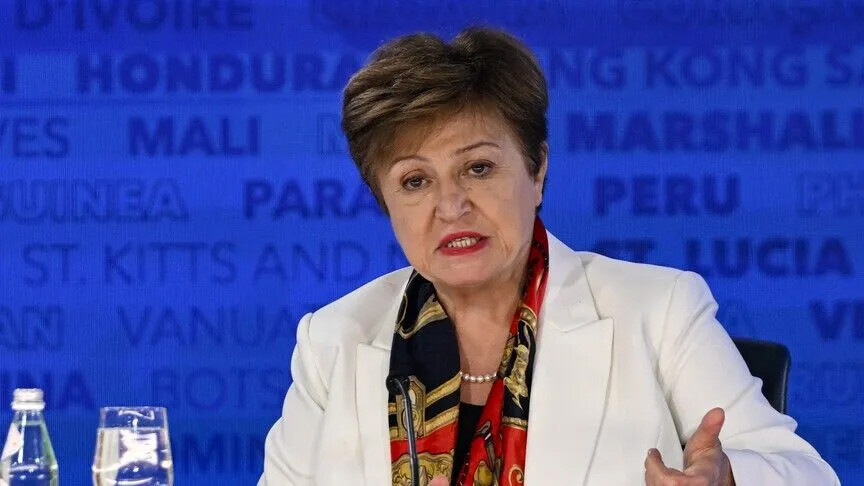
Speaking at the annual meetings of the IMF and World Bank in Bangkok on October 16, 2026, Managing Director Kristalina Georgieva projected global economic growth will hold steady at 3.1 percent in 2026. This resilience persists despite energy supply shocks from Middle East conflicts, even as officials warn of rising debt and tech risks.
Global financial leaders gathered in the Thai capital for the joint annual meetings of the International Monetary Fund and the World Bank, facing an economy defined by sharp contrasts. While technological expansion props up performance in advanced markets, geopolitical conflict and tightening financial conditions continue to squeeze vulnerable nations. Officials and central bankers spent the week dissecting these competing pressures, balancing immediate economic stability against long-term structural vulnerabilities.
Growth Projections Hold at 3.1 Percent Amid Competing Global Pressures
The global economy continues to confound expectations by maintaining its footing despite severe disruptions. During a press briefing, IMF Managing Director Kristalina Georgieva noted that expectations remained unchanged from the previous year. In October 2025, we projected growth of 3.1 percent for this year, and a year later, expectations remain at the exact same percentage
, she said, describing the outcome as striking given global shifts.
The steady aggregate figure masks a tug-of-war between opposing forces. On one side, energy supply shocks stemming from the conflict in the Middle East generate inflationary pressure and drag down output. On the other side, a boom in artificial intelligence drives economic activity upward. This dynamic has created a widening divergence: war-torn economies face downgrades, while nations plugged into high-tech value chains—particularly the United States, China, India, and select Asian economies—experience relative strength.
Energy Shocks and Debt Pressures Strain Developing Economies
Behind the headline growth figures, financial authorities warn that mounting public debt and climbing borrowing costs are squeezing low-income nations. Global debt approaches 100 percent of gross domestic product, with emerging and low-income countries facing steep external debt servicing requirements. According to IMF figures, the share of debt service in general government revenues for low-income countries climbed from 8 to 14 percent in recent years, while interest payments consume more than 15 percent of their tax revenues.

I assure you that the peoples of the entire world, especially in the poorest countries, do not stomach inflation. Inflation is like a tax on the poor.
Kristalina Georgieva, Managing Director of the IMF
The fallout from regional conflicts has compounded these burdens. Global energy prices surged following military escalations in the Middle East and strikes on Gulf oil and gas infrastructure. These disruptions drove up transportation and production expenses worldwide, feeding inflation that central banks are attempting to combat through elevated interest rates.
Artificial Intelligence Brings Productivity Promises Alongside New Vulnerabilities
While technological innovation provides a crucial prop for advanced economies, leaders in Bangkok cautioned against treating it as an infallible engine. Georgieva warned that relying entirely on tech-driven momentum amounts to standing on one leg
and noted that rapid development in the sector also threatens to increase near-term inflation due to massive infrastructure investments.
Financial sector analyses released during the meetings highlighted specific exposure points. The IMF’s Global Financial Stability Report warned of risks including a correction driven by artificial intelligence, a jump in bond yields, or a massive cyber attack. Cyber security vulnerabilities in tech deployment remain a pressing concern, with software providers failing to patch security flaws before exploitation in more than 70 percent of cases during 2026.
Public Protests and Institutional Credibility at Crossroads in Bangkok
The meetings also drew public pushback against fiscal austerity measures prescribed by international lenders. Demonstrators traveled from rural regions to protest outside the venue, arguing that demands for government spending cuts will deepen poverty and reduce funding for essential services like healthcare and education.

As the sessions draw toward their scheduled conclusion on October 18, 2026, the underlying tensions between institutional economic prescriptions and on-the-ground living costs remain unresolved. Governments face stark choices between enacting painful fiscal reforms today or managing compounding financial crises tomorrow, while policymakers continue to search for coordinated approaches to tame inflation without choking off recovery.