Samsung faces a potential U.S. import and sales ban on its flagship Galaxy S25 lineup following a final determination issued by the U.S. International Trade Commission, CASRAI reported.
Regulators concluded that the South Korean electronics manufacturer infringed intellectual property owned by Japanese electronics firm Maxell. The ruling stems from a patent complaint filed under Section 337 of the Tariff Act of 1930. The Commission made its final determination on Tuesday, November 24, 2026, after an investigation designated as Investigation No. 337-TA-1432.
The formal notice was approved by Commission vote on November 24, 2026, and published for public inspection on November 27, 2026, under Federal Register Document 2026-24208. The dispute specifically involves Kyoto-based Maxell, Ltd., Samsung Electronics Co., Ltd., and Samsung Electronics America, Inc.
Investigation Details and the Disputed Patent
Maxell initiated the dispute in December 2024 by accusing Samsung of using six mobile technologies without a license. The trade agency formally launched its investigation in January 2025. The proceeding initially examined six patents covering mobile camera, power management, and interface architectures.
Throughout the proceedings, the number of contested patents narrowed. By the final determination, the Commission evaluated five remaining patents and found a violation solely on U.S. Patent No. 11,490,004. The agency ruled that Samsung infringed claims 1 and 10 while finding no violation or invalidating asserted claims across the other patents.
The Commission also affirmed the administrative law judge’s violation finding on the ‘004 patent while affirming findings of no violation on the ‘953, ‘241, and ‘103 patents, and reversing the judge to hold claim 9 of the ‘953 patent invalid.
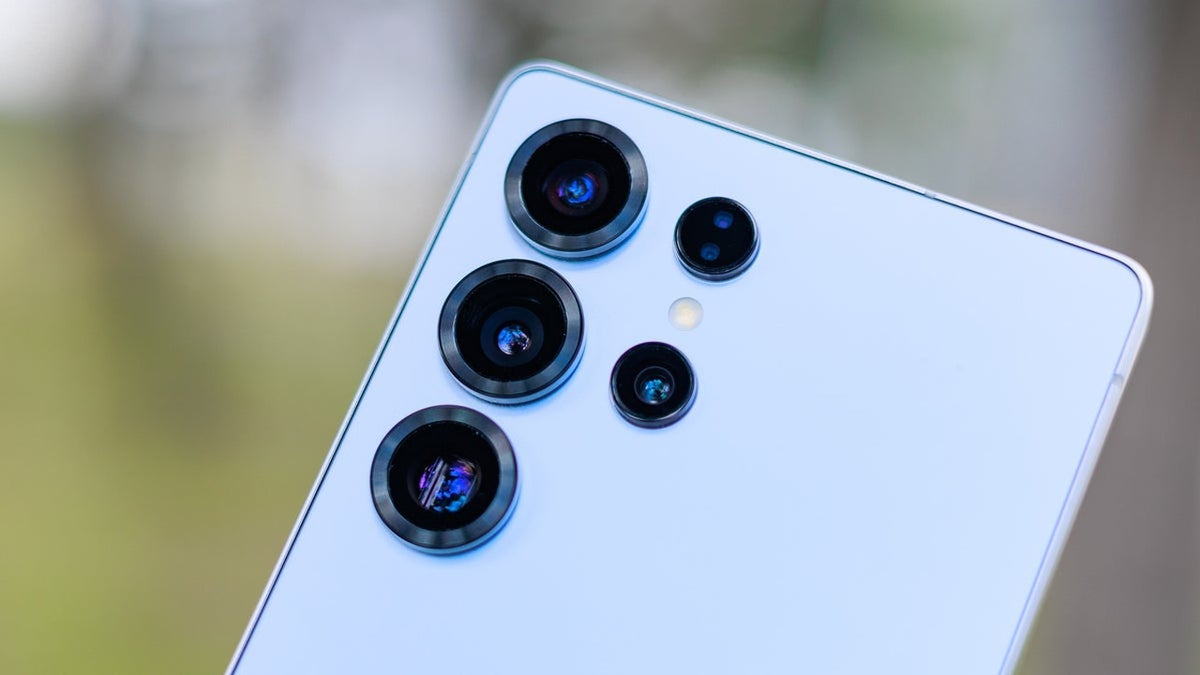
The disputed patent is titled “Mobile terminal”. The technology covers elements within camera applications that frame or guide objects in the viewfinder. Claim 1 outlines a device equipped with front and rear cameras, an encoder, storage, wireless and GPS hardware, sensors, and a touchscreen, while claim 10 details simultaneous capture from two rear cameras with display processing.
Issued in November 2022, the patent outlines a handset equipped with a display, a camera, and a proximity sensor designed to alter the active display area upon sensing a connected viewfinder accessory.
Exclusion Orders and the Presidential Review Window
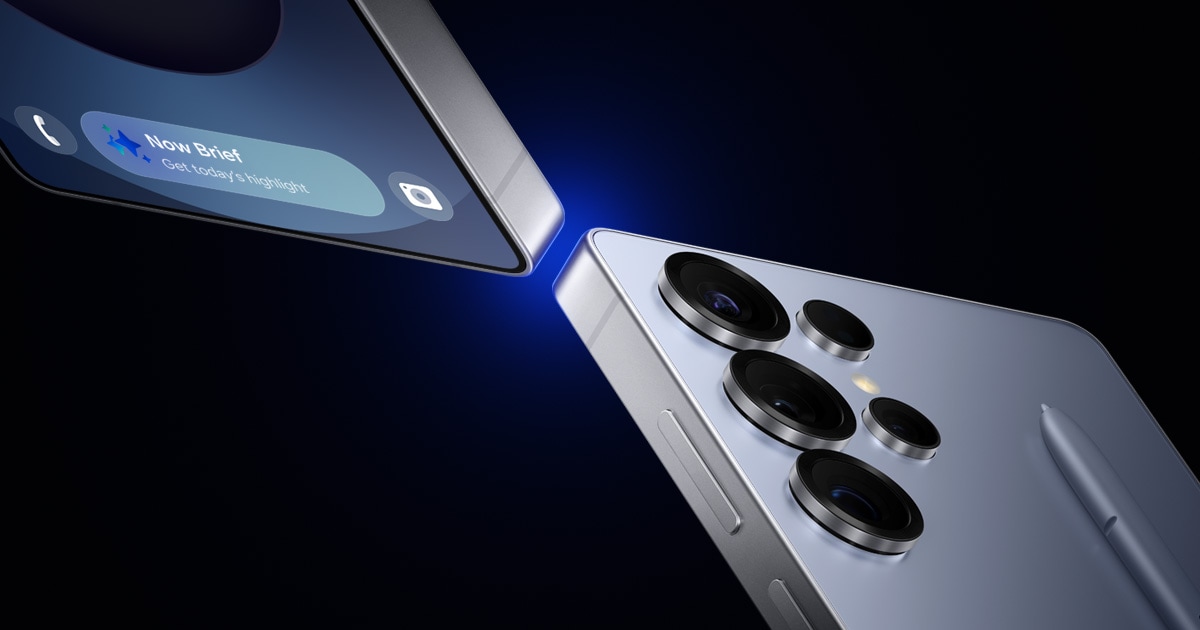
In response to the violation, the trade agency issued a limited exclusion order to block customs entry for infringing goods alongside a cease-and-desist order directed at Samsung Electronics America. The exclusion order covers last year’s flagship smartphones, including the Galaxy S25, Galaxy S25+, and the Galaxy S25 Ultra, alongside select Galaxy Tab models.
The orders do not trigger an immediate retail ban. A 60-day presidential review period began on November 25, during which the U.S. Trade Representative evaluates the ruling. The Commission set the import bond at zero percent, allowing Samsung to continue bringing affected products into the country without financial deposits until the review concludes.
Unless the U.S. Trade Representative disapproves the ruling for policy reasons, the orders become final in late January 2027.
Future Patent Battles
PhoneArena said that this ongoing legal pressure means Samsung cannot simply rely on software patches to resolve every dispute. Samsung could appeal to the Federal Circuit or negotiate a licensing agreement with Maxell.
Presidential Review and Exemptions
The orders now go to a 60-day presidential review, which the US Trade Representative handles. Bloomberg Law reported that the cease-and-desist order specifically covers Galaxy S25 products, while Android Central emphasized that an important distinction exists between an ITC ruling and an immediate retail ban.
Exemptions, Software Workarounds, and Future Products
Current owners of the affected devices face no immediate disruption. Products already sold, warranty repairs, and service replacements are exempt from the exclusion order. A specialized exemption was authorized by the Commission to cover replacement, repair, and warranty provisions for items acquired before the presidential review concluded.
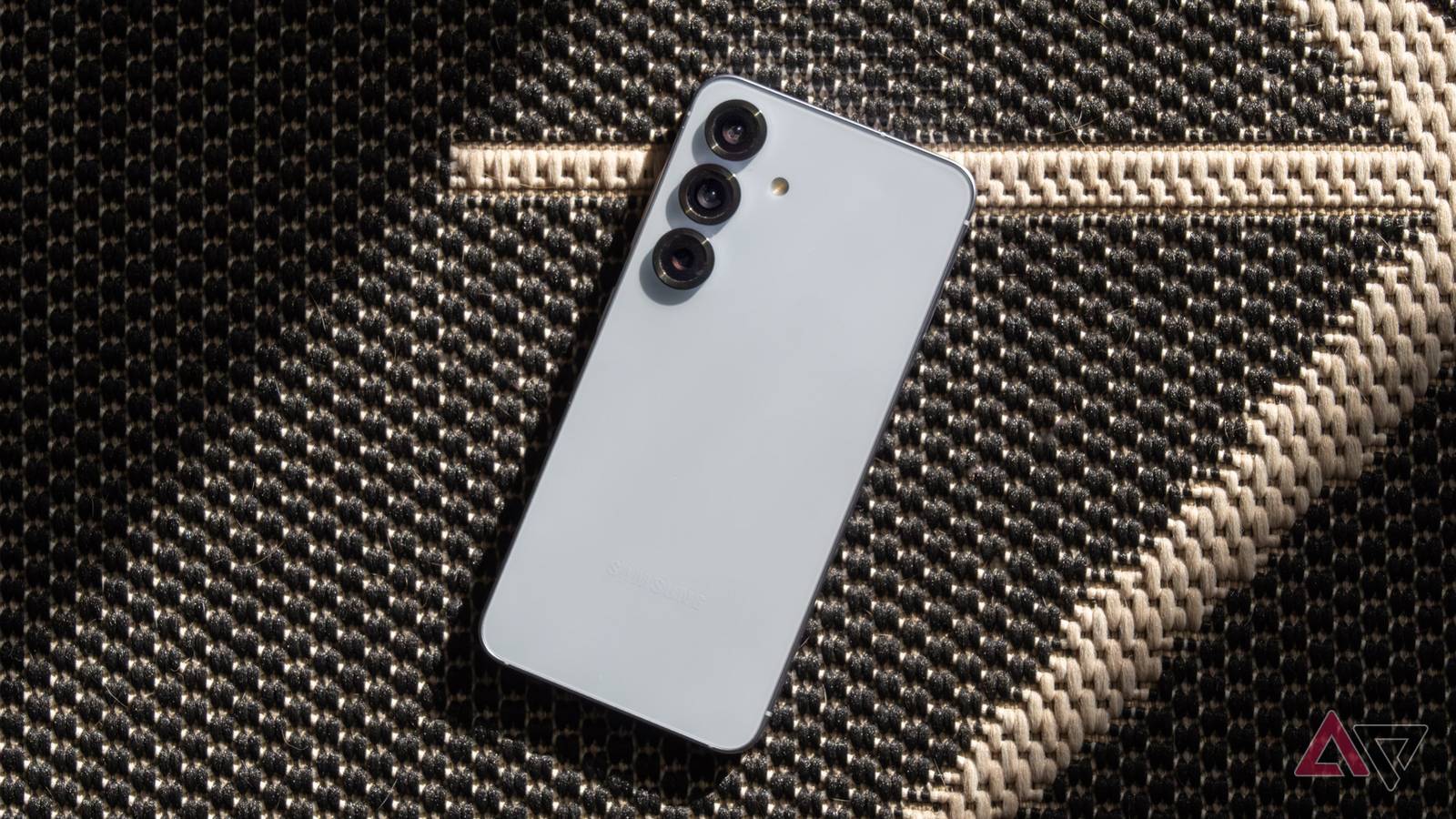
Only inventory running the older camera implementation remains vulnerable to the border restrictions.
Beyond the current case, Maxell filed a second trade complaint in May 2026 targeting six additional smartphone patents across newer hardware, including the Galaxy S26+, Galaxy Z Fold 7, and Galaxy Z Flip 7. That separate investigation, designated as Investigation No. 337-TA-1516 and instituted in August 2026, is expected to take one to two years to reach a final ruling.