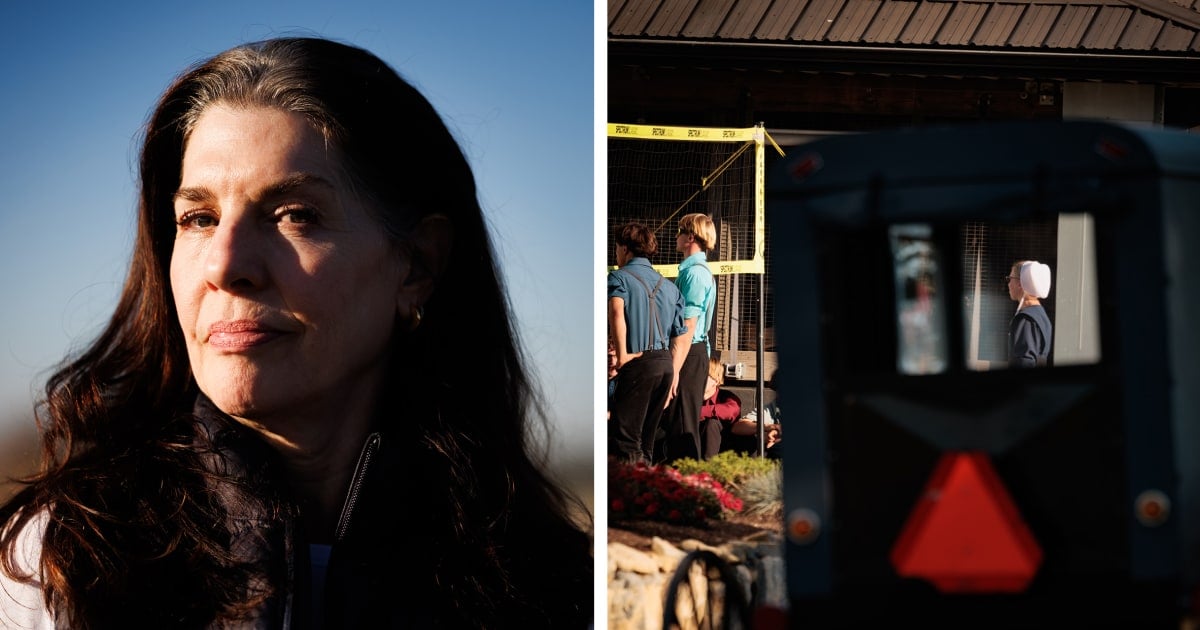
As Pennsylvania navigates its largest measles epidemic in 30 years, Roberta Devers has spent her months caring for dozens of pregnant women struck by the virus in Lancaster County.
The 63-year-old midwife, who once questioned immunizations and chose not to vaccinate her own son.
Midwife Outlook Shifts During Outbreak
Working independently outside hospital systems without physician oversight, Devers found herself examining an Amish woman in her third trimester who had recently contracted measles. “Every single day,” she said, “someone’s calling to ask what they do. They’re pregnant and they’ve gotten it, or their babies have gotten it.”
“Numbers and books became people,” Devers said. She also said that pregnant women cannot receive the MMR vaccine because it contains a weakened but live version of the virus, leaving patients asking if she carries the vaccine in her car. Devers mentioned that the Pennsylvania Health Department recently invited her and other midwives to an upcoming measles education webinar. In Shawano County, certified nurse midwife Korina Bauer stated she is collaborating with local Public Health Department partners to establish a measles immunization clinic for her clientele—many of whom are Amish—following a measles fatality involving an infant in Wisconsin. Bauer noted she is counseling two pregnant Amish women whose husbands were exposed to measles, stating they are concerned, want to know more about symptoms, and exhibit a lot of curiosity.
Melvin Zook, a 30-year-old Amish business owner and father of three from Leacock Township who chose not to vaccinate his children, expressed skepticism about the ingredients in the MMR vaccine. Meanwhile, Hannah Garman, a 27-year-old resident of Lancaster County expecting her third baby in early December, recalled that she was not raised with doctors and never received vaccines, relying instead on a good diet and her Christian faith to protect her from measles.
Four of five Old Order Amish respondents at Root’s Country Market stated they had been or were making plans to get vaccinated but preferred to remain anonymous, while a 59-year-old Amish father of 11 from Rapho Township reported that he, his wife, and five children at home had recently been vaccinated.
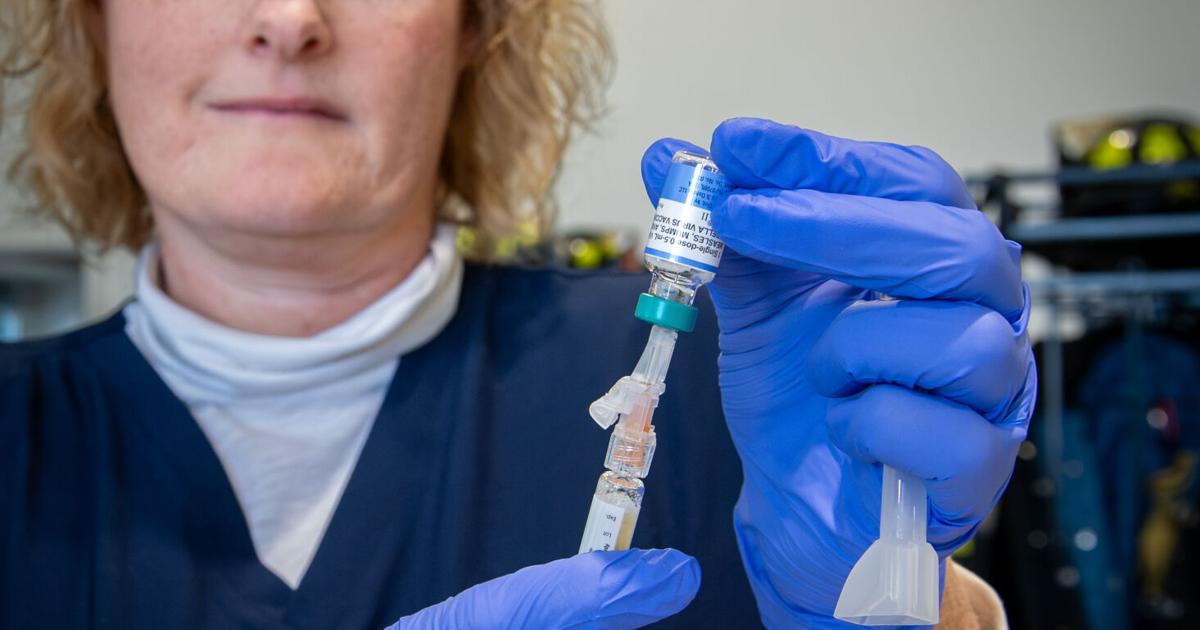
Severe Pediatric Complications Strain Hospitals
Statewide, the Pennsylvania Department of Health reported 1,505 measles cases, with less than 1% of those who fell ill having been vaccinated. Across the United States, 5,182 confirmed measles cases were reported in 2026 across 47 jurisdictions as of November 5, 2026. Among the nationwide count of 5,182 infections, jurisdictions including Alabama, Alaska, Arizona, California, Colorado, Connecticut, Delaware, District of Columbia, Florida, Georgia, Idaho, Illinois, Indiana, Iowa, Kansas, Kentucky, Louisiana, Maine, Maryland, Massachusetts, Michigan, Minnesota, Missouri, Montana, Nebraska, New Jersey, New Mexico, New York City, New York State, North Carolina, North Dakota, Ohio, Oklahoma, Oregon, Pennsylvania, Rhode Island, South Carolina, South Dakota, Tennessee, Texas, Utah, Vermont, Virginia, Washington, West Virginia, Wisconsin, and Wyoming accounted for 5,164 cases across their 47 administrative areas, with the remaining 18 patients consisting of international travelers visiting the United States. Furthermore, 43 new outbreaks were reported in 2026, with 96% of confirmed cases (4,993 of 5,182) classified as outbreak-associated, including 3,608 cases from outbreaks starting in 2026 and 1,385 from outbreaks starting in 2025.
By comparison, 2,289 confirmed cases and 48 outbreaks were reported for the full year of 2025, where 90% of confirmed cases (2,066 of 2,289) were outbreak-associated, while 2024 saw 16 outbreaks with 69% of cases (198 of 285) outbreak-associated. National breakdown figures for U.S. cases indicate 908 cases among children under 5 years old (18%), 2,104 cases among individuals aged 5 to 19 years (41%), 2,132 cases among those aged 20 and older (41%), and 38 cases with unknown age (1%).
Vaccination status for these U.S. cases shows 96% were unvaccinated or of unknown status, 2% received one MMR dose, and 2% received two MMR doses. Corresponding U.S. hospitalizations include 154 of 908 patients under 5 years old (17%), 94 of 2,104 patients aged 5 to 19 years (4%), 313 of 2,132 patients aged 20 and older (15%), and 1 of 38 patients of unknown age (3%).
The Centers for Disease Control and Prevention is also collaborating with the Council of State and Territorial Epidemiologists to establish a standardized case definition for measles deaths to ensure consistent classification across jurisdictions.
Babies gasping for air, children needing oxygen and respiratory support, patients on ventilators. We see babies and children coming in with infections of organs within the abdomen, their liver, dehydration, babies that can’t take bottles.
Dr. Evan Shirey, pediatric infectious disease physician at Penn State Health Golisano Children’s Hospital in Hershey
Shirey described the situation as “honestly just been horrifying to watch” while noting that some children develop brain inflammation known as encephalitis, which can lead to months of recovery or irreversible damage. Shirey also shared personal perspective as the father of a 3-month-old son who is too young to receive the measles shot, calling the situation scary. At least two babies in the state have died.
Lancaster County Vaccination Rates Drop Below Outbreak Prevention Threshold
Before the pandemic, Lancaster County maintained a 95.5% MMR vaccination rate, the threshold required to prevent outbreaks, though kindergarten vaccination coverage dropped to 87.6% last school year according to NBC News data. Statewide, the Department of Health launched a centralized vaccine website featuring resources, recommendations, and a video series with doctors across the state at pa.gov/vaccines.
During the outbreak, Department of Health staff conducted thousands of conversations with Pennsylvanians concerning the benefits of the MMR vaccine. Jennifer Wallace, medical director for the Department of Health’s Bureau of Community Health Systems, discussed MMR vaccinations.
Regulatory Limits on Midwives
Although traditional midwives frequently receive inquiries about vaccines from worried community members, state law does not permit traditional midwives to administer vaccines without physician backing. Responding to its expanding measles crisis, New York recently issued a disaster emergency declaration empowering specific unlicensed medical providers—provided they hold designated training or credentials, which includes select midwives—to administer immunizations. Katherine Wells, public health director for Lubbock, Texas, stated she wishes she had taken that step during last year’s outbreak among Mennonite communities in Gaines County, noting that utilizing personal relationships between midwives and families would have offered a good way to mitigate spread.
Wells explained that during an emergency is not the time to distribute business cards because establishing prior connections is essential, particularly in rural, religious communities that harbor distrust toward the government.
While Wells had the capacity to train front desk staff at the Public Health Department to deliver vaccines during her outbreak and said that such an order could theoretically extend to midwives, Pennsylvania law maintains strict limitations on traditional providers.
During the emergency is not the time to be passing out your business card. You have to know those people.
Katherine Wells, public health director for Lubbock, Texas