Indonesia reports its latest gross domestic product figure this week while grappling with the health and economic impacts of fires and haze. The country faces parallel market pressures from a potential MSCI downgrade and domestic fuel shortages stemming from the fallout of the U.S.-Israeli war against Iran.
The Jakarta Crunch: Natural Disasters Meet Financial Fallout
The upcoming third-quarter GDP report arrives against a backdrop of acute operational friction. Capital outflows driven by market uncertainty and the financial environment compound the losses from recent natural disasters. Large-scale forest fires and volcanic eruptions have triggered reports of numerous flight delays into and out of Jakarta, raising concerns about economic losses. Meanwhile, energy supply chains remain strained as regional reverberations from the conflict involving Iran hit domestic fuel reserves.
U.S. Midterm Elections and the Ripple Effect on Asian Tech
Across the Pacific, American voters head to the polls for the 2026 midterm elections, a contest with direct stakes for Asian supply chains and geopolitical alignments. Voters from across the political spectrum have signaled their opposition to massive data center projects that have boosted Asian tech suppliers’ bottom lines. The congressional outcome will also dictate the trajectory of U.S.-China relations and trade policy.
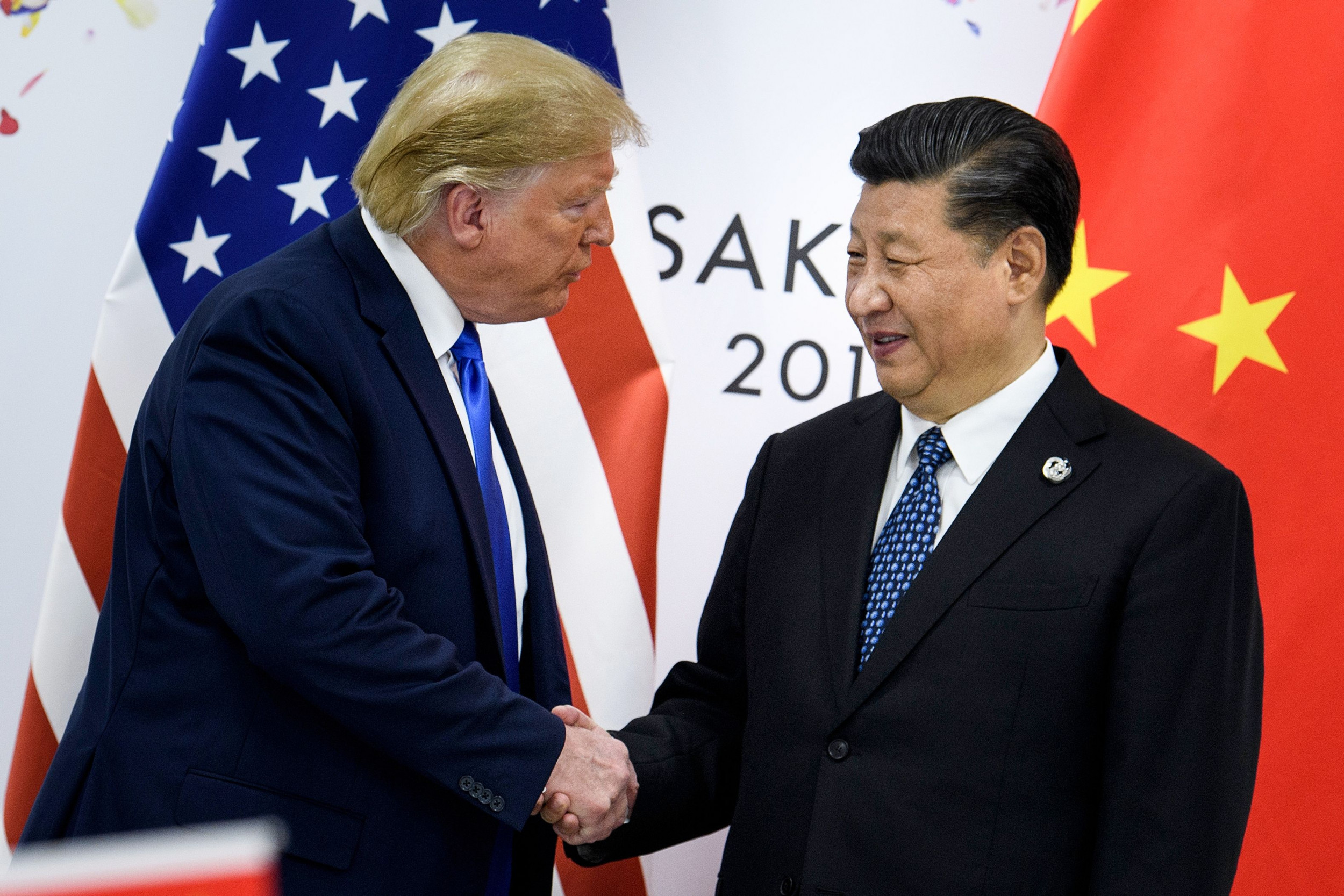
Should Democrats secure one or both chambers of Congress, attention is anticipated to turn toward purported conflicts of interest regarding critical mineral agreements forged by the Trump administration to establish alternative supply chains bypassing China, alongside trade pacts settled following the enactment of the president’s “liberation day” tariffs. At the same time, a Democratic-controlled legislature could be more eager to pressure U.S. President Donald Trump into moving ahead with a $14 billion arms package for Taiwan, despite broad support for Taipei.
Financial Hubs and Central Bank Decisions Across the Region
Asia’s economy faces a packed calendar of corporate earnings and monetary policy decisions. Scheduled concurrently with the city’s Fintech Week, the Global Financial Leaders’ Investment Summit in Hong Kong is set to draw top executives representing numerous prominent global banks and investment funds. Artificial intelligence introduces both emergent risks and structural opportunities for the sector.

Concurrently, monetary authorities across the region face critical choices:
- Bank Negara Malaysia: Preparing to reveal its concluding interest rate determination for the year, analysts remain split on whether borrowing costs will stay anchored at 2.75% or undergo an increase. The central bank has kept rates steady since a 0.25 percentage point cut in July 2025.
- Singapore Banks: UOB, DBS, and OCBC prepare to release their third-quarter financial figures—with UOB leading on Wednesday, followed by DBS on Thursday and OCBC on Friday—providing a test of whether wealth management income can maintain profitability amid changing interest rate projections.
- New Zealand: Prepares for a general election where neither the ruling National Party nor the leading opposition Labour Party is likely to win a simple majority based on current polling, leaving the Opportunity Party positioned to play a decisive role in shaping the next government.