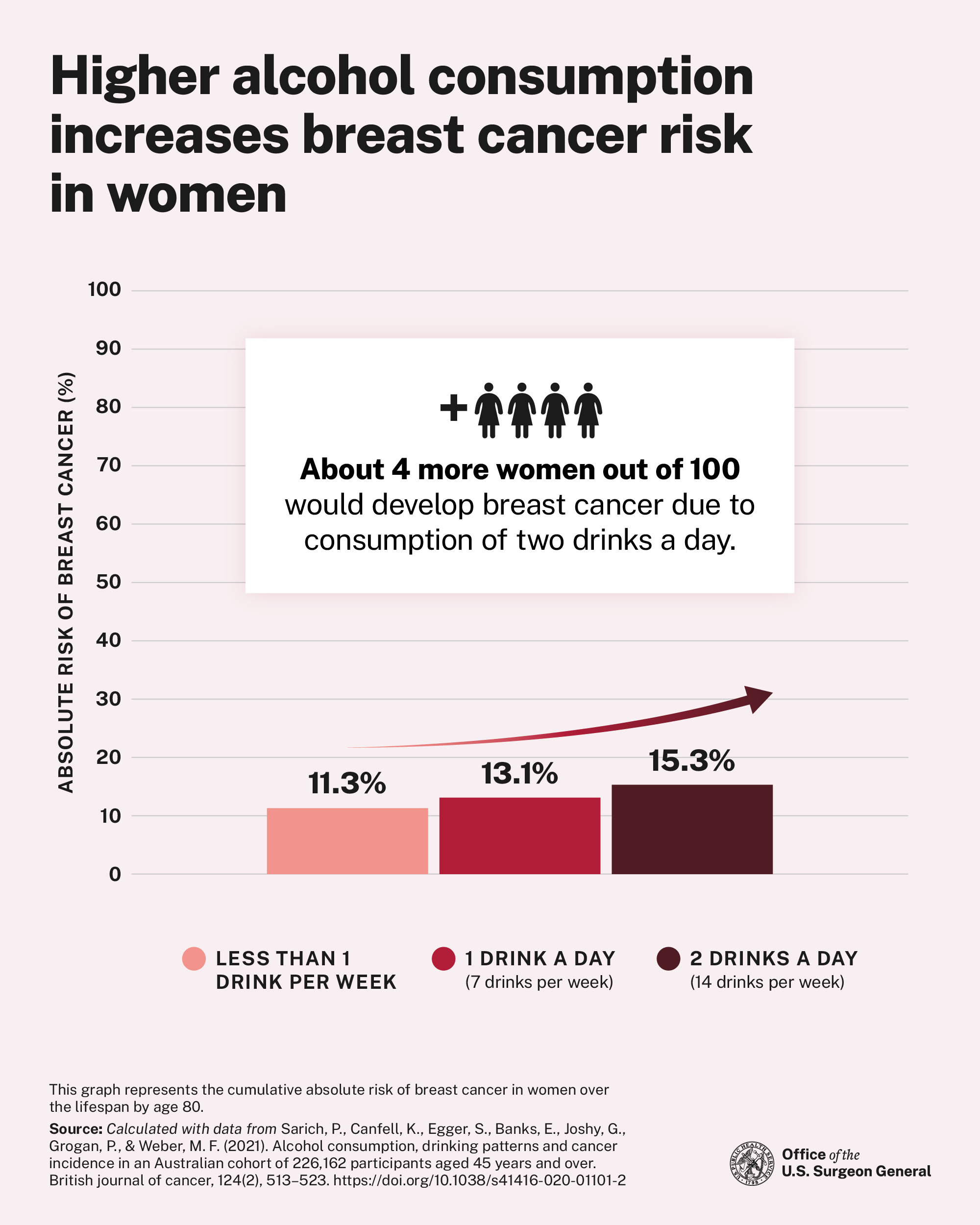
Studies show most women are unaware that drinking alcohol raises breast cancer risk, which is one of the most preventable health threats.
Research establishes a clear link between consuming alcohol and an increased risk of developing several types of cancer, including cancer of the breast, colon and rectum, liver, mouth and throat, voice box, and esophagus. According to the North Carolina Department of Health and Human Services, cancer stands as the number one cause of deaths linked to alcohol use in North Carolina, where alcohol was responsible for more than 840 cancer deaths in 2024. Over the past 10 years, alcohol-caused cancer deaths have risen by 9%.
Biological Mechanisms Linking Alcohol and Breast Cancer
Breast cancer remains the most frequently diagnosed cancer among women in North Carolina, as well as the second leading cause of cancer deaths in women. Multiple biological pathways explain how alcohol increases this risk. When the body breaks down alcohol, it produces a chemical that harms cells and damages DNA, making it harder for the body to repair that genetic material. Alcohol elevates hormone levels by increasing estrogen in the body, which can help certain breast cancers grow. Alcohol also triggers inflammation.
Alcohol causes cellular harm by heightening oxidative stress, which increases inflammation and damages cell membranes, proteins, and DNA. It interferes with the absorption of essential nutrients like folate, which is vital for maintaining healthy cell DNA. Because carcinogens dissolve in alcohol, it makes it easier for cancer-causing chemicals to be absorbed in the body. A complex interplay of genetic factors, environmental factors, and individual habits can all contribute to breast cancer, and not all of these risk factors are preventable, such as having a genetic predisposition or dense breasts.
Quantifying the Risk Across Consumption Levels
The risk increases steadily with greater intake, and drinking patterns and frequency influence the risk as well. Heavy or frequent drinking raises risk more than occasional drinking. According to data cited by state health officials and reporting outlets, women who consume one alcoholic drink per day have a 7% to 10% higher relative risk of breast cancer compared with non-drinkers, while those who consume two to three drinks per day have about a 20% higher risk. It increases to 32% for those who drink three to four alcoholic beverages per day, and the risk continues to go up with greater intake. Even women who consume fewer than one drink per day have a 5% increase in breast cancer risk compared to non-drinkers.
Research suggests that women who have about one drink a day have roughly a 7 to 10% higher relative risk of breast cancer compared with women who don’t drink.
Dr. Monique Gary, DO, FACS, breast surgical oncologist and chief medical officer of Bexa and founder of Still Rise Farms
Drinking less alcohol is better, and not drinking at all offers the lowest risk. Moderate consumption is advised by the Centers for Disease Control and Prevention to lower — while not entirely removing — the chance of developing breast cancer and other health issues connected to alcohol.
Projections and Preventative Services in North Carolina
The Central Cancer Registry within the North Carolina State Center for Health Statistics projects that statewide diagnoses of breast cancer will surpass 13,000 women in 2026, alongside upwards of 1,600 female fatalities resulting from the condition. Because early detection remains vital when screening can help find breast cancer early, before symptoms start, health organizations recommend regular screenings.
Interested individuals can check their eligibility for affordable screenings through the program’s resources for women, partners, and communities.
When considering health concerns, readers should consult qualified medical professionals for guidance tailored to individual circumstances rather than relying solely on general health data.