Evacuated Ukrainians Fleeing Oleshky Arrive in Belarus Amid Localized Truce
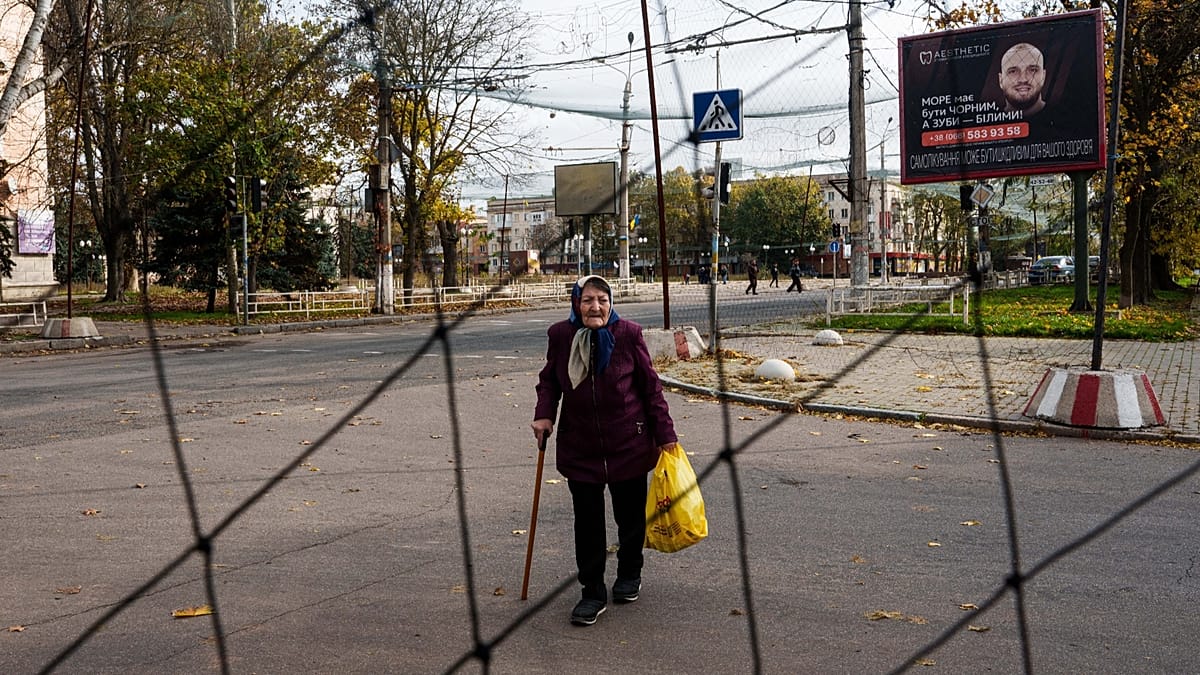
The first wave of civilian evacuations from the Russian-occupied Ukrainian city of Oleshky has reached Belarus, according to reporting from the BBC, marking a fragile turning point in a community reduced to a humanitarian crisis zone. Once home to roughly 24,000 residents before Russian forces captured it on the first day of the full-scale invasion in February 2022, Oleshky has endured intense shelling, burnt infrastructure, and severe deprivation.
For the remaining population, the newly brokered temporary ceasefire has created an agonizing logistical divide. Evacuation convoys leaving the ravaged city have split into separate routes heading toward both Ukraine and Russia, according to official statements cited by The Kyiv Independent. The limited cessation of hostilities, initiated following discussions involving Melania Trump and coordinated with regional leadership, was designed to facilitate humanitarian aid delivery and safe civilian transit.
⚡️ Russia's Ombudswoman #Lantratova: Our mission in #Alyoshki has concluded. Aid delivered. Residents could freely choose to go Russia or Ukraine.❗️ I propose making such missions a regular practice, coordinated by @FLOTUS, & thank her for the help.https://t.co/tFLAV9Sv4Z pic.twitter.com/6RSKdFon4Y
The Humanitarian Toll Inside a Devastated City
Conditions leading up to the corridor opening were described by officials as catastrophic. Tetiana Hasanenko, head of the Oleshky city military administration, told Euronews that residents have been forced to eat weeds as basic necessities vanished from the city entirely. She added that the city is practically destroyed.
The White House stated that Melania Trump worked directly with Russian and Ukrainian leaders to establish the terms of the limited ceasefire, warning that the local population was on the brink of disaster. Under international law, occupying powers remain legally obligated to ensure civilians under their control have adequate means to survive.
💬 Russia’s Human Rights Commissioner #Lantratova:We’ve arrived in #Alyoshki with dozens of tonnes of aid: food, hygiene supplies & generator fuel – what residents asked for.For those who decide to stay, this is vital. This is their home. They have loved ones to care for. pic.twitter.com/iIMTItryCP
Yet skepticism surrounds the operation. Arseniy Yatseniuk told Euronews that there is no way to trust Russian guarantees, accusing Moscow of using civilians as hostages and staging the humanitarian corridor to cast itself as a rescuer. Dmytro Lubinets, Ukraine’s human rights ombudsman, outlined the agreed terms in a video message, confirming that a ceasefire would precede aid delivery and free movement out of the town.
Russian Forces Announce Local Ceasefire to Aid Evacuations
As evacuation buses move, the geopolitical backdrop remains fraught. General Valery Gerasimov announced that Russian forces would halt fire on the Kherson axis starting early Tuesday morning, Moscow time, to accommodate the humanitarian mission.
Concurrently, broader diplomatic maneuvers led by Steve Witkoff have involved talks in Norway with Volodymyr Zelenskyy and subsequent meetings with Vladimir Putin in St Petersburg. However, during a recent appearance at the Hudson Institute, Volodymyr Zelenskyy omitted mention of the Oleshky ceasefire while emphasizing that key military supplies, including American Patriot missile interceptors, remain on hold alongside ongoing speed limits for Starshield and Starlink.
For the roughly 2,000 residents who faced a strict deadline under the temporary accord, the choice to leave via Russian-held corridors or remain behind highlighted the high-stakes friction defining the ongoing conflict. With demining operations underway and humanitarian access strictly time-bound, the long-term status of those evacuated depends on volatile military conditions.
NEW: Both Russia and Ukraine are observing the limited humanitarian ceasefire intended to provide aid to the Russian-occupied Oleshky area as of October 29, but Russia may use the ceasefire to facilitate the forced transfer or deportation of Oleshky evacuees further into… pic.twitter.com/jx9yPlF2Du