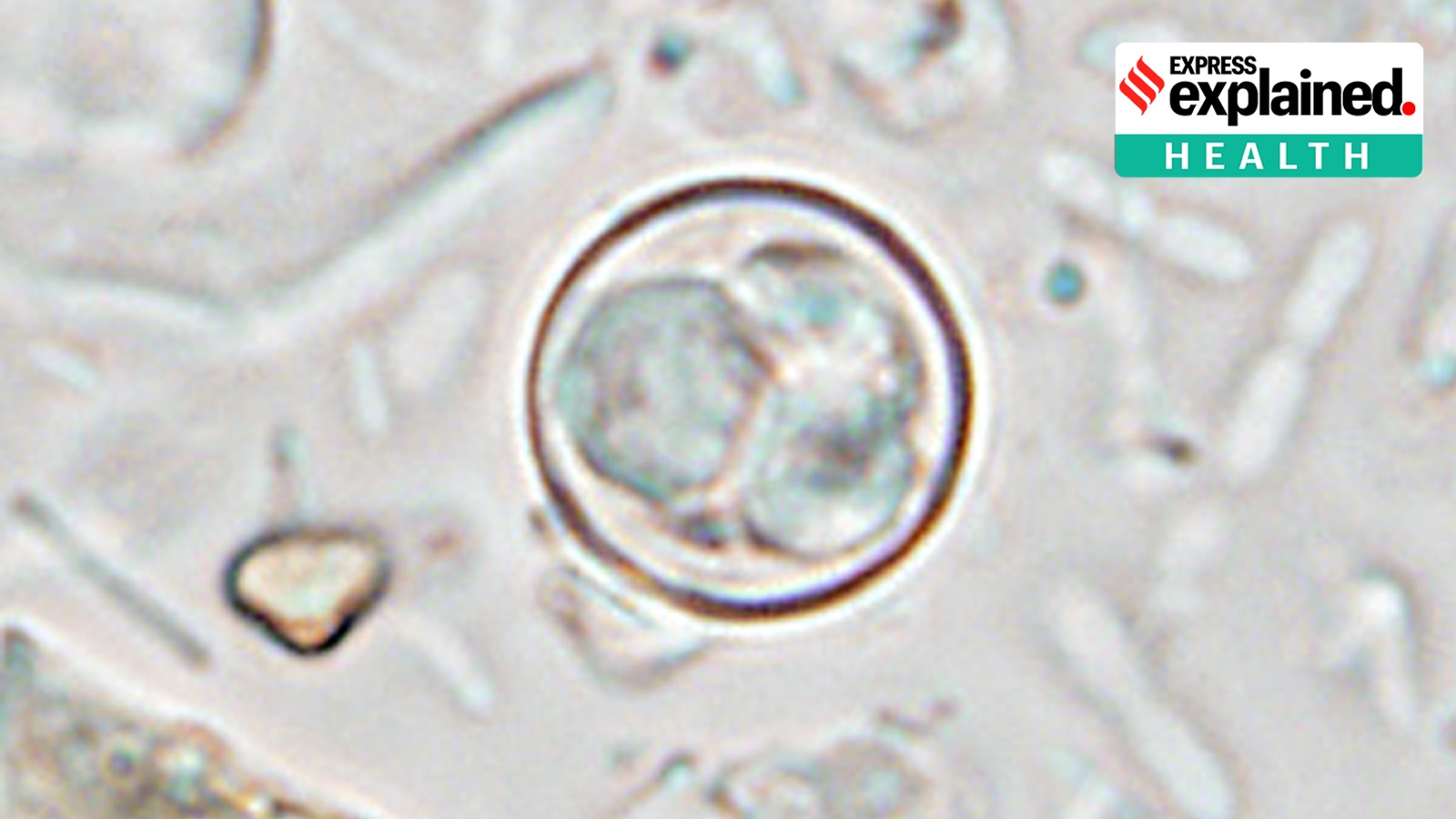
State and federal partners are investigating a multistate outbreak of cyclosporiasis, an intestinal illness caused by the microscopic parasite Cyclospora cayetanensis. Infections frequently link to fresh produce and spread through contaminated food or water, prompting public health officials to advise safe food handling practices.
Understanding Cyclospora cayetanensis and the Path of Infection
Cyclosporiasis is a gastrointestinal illness caused by the microscopic parasite Cyclospora cayetanensis
, frequently referred to simply as Cyclospora. The organism specifically infects the small intestine, triggering symptoms that typically center around watery and sometimes frequent diarrhea.
The biological timeline of the parasite dictates how infections occur. Once passed in a bowel movement, Cyclospora requires at least one to two weeks in the environment outside the body to become infectious. Because of this required maturation window, direct person-to-person transmission is considered unlikely. Instead, people become infected by consuming food or water contaminated with human feces. In the United States, outbreaks of cyclosporiasis link back to various types of fresh produce rather than direct personal contact.
Symptoms, Relapses, and the Diagnostic Challenge
For those who fall ill, the incubation period between consumption and the onset of sickness usually spans about one week, though it can range anywhere from two days to two weeks or more. If left untreated, the illness can persist from a few days to over a month. A particularly frustrating hallmark of the infection is its tendency to relapse; symptoms may appear to resolve completely before returning one or more times.
Diagnosing the condition requires specific clinical intervention. Healthcare providers identify cyclosporiasis by testing stool samples, but standard laboratory workflows can easily miss the parasite. Routine stool testing does not automatically include the necessary screens, meaning physicians must deliberately and specifically request testing for Cyclospora. Furthermore, patients frequently need to submit multiple stool samples collected across different days to catch the organism.
Clinical Treatments and Public Health Surveillance
When an infection is confirmed, medical protocols point to a specific pharmaceutical line of defense. Trimethoprim-sulfamethoxazole—commonly sold under brand names such as Bactrim, Septra, or Cotrim—serves as the treatment of choice for cyclosporiasis. For patients allergic to sulfa drugs, healthcare providers must evaluate alternative therapeutic options. Supportive care, including resting and drinking plenty of fluids, remains critical for managing dehydration caused by diarrhea.
Cyclosporiasis operates as a nationally notifiable disease in the United States, requiring formal case reporting to the Centers for Disease Control and Prevention. As state and federal investigators continue working to identify the specific sources behind the current multistate outbreak, prevention remains heavily reliant on avoiding food or water possibly contaminated with fecal matter and strictly adhering to safe food handling practices.

