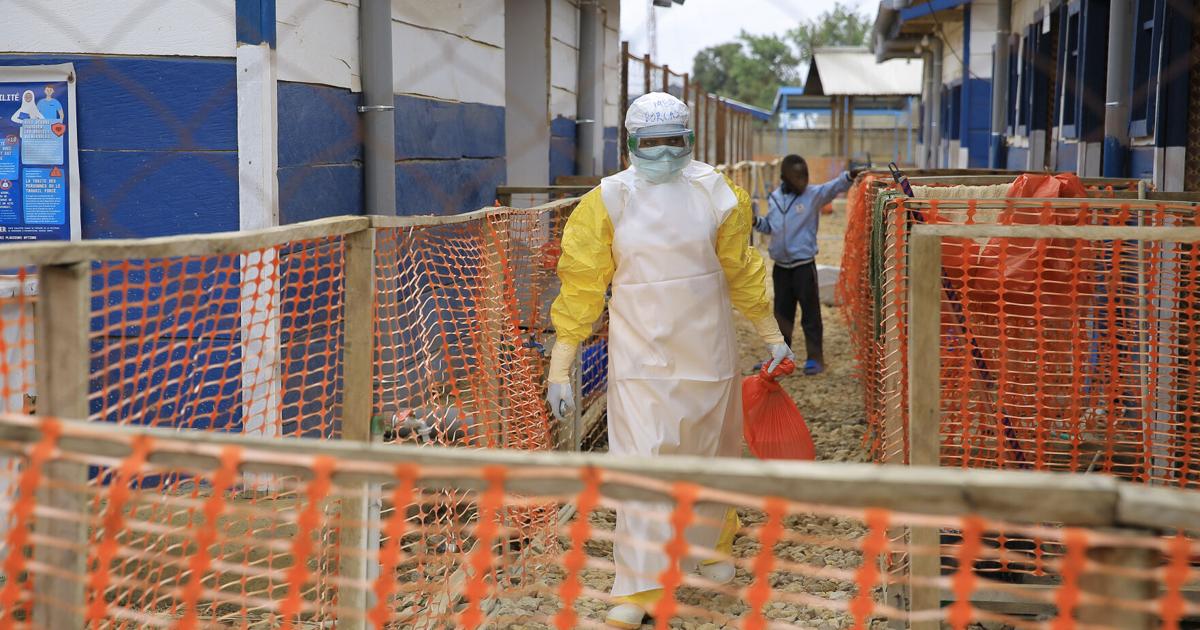
The Democratic Republic of Congo’s deadliest Ebola outbreak on record has expanded to its eighth province with new cases in the north, as health officials struggle against community mistrust, violent conflict, and severe treatment isolation stresses that are disproportionately impacting young children.
The current epidemic, driven by the rare Bundibugyo species of the virus, has grown to at least 9,400 confirmed cases and surpassed 4,500 deaths since it was officially declared in mid-May, according to figures cited by authorities reporting on the escalating crisis. World Health Organization Regional Director for Africa Mohamed Yakub Janabi described the peculiar trajectory of the epidemic, noting that while local transmission pockets occasionally shrink, the disease continues to widen geographically across the country. Tracking from health authorities noted total case counts climbing past thousands of confirmed cases with thousands of related deaths during the outbreak, reflecting the speed of transmission that has outpaced previous responses.
Nord-Ubangi Becomes the Eighth Affected Province
The Health Ministry recorded two cases and one death in Nord-Ubangi province, which borders the Central African Republic. Both patients were identified as men in their 20s residing in the Wapinda health zone, an area adjacent to Bas-Uele province where earlier infections were detected. Across seven total provinces before this northern expansion, the virus had already reached 66 health zones, with Ituri remaining the heaviest-hit region.
In three days, a single Ebola case moved from the DRC through Uganda into Kenya. Dr Wessam Mankoula, Director of Emergency of Africa CDC describes how the case travelled. He also explains how Africa CDC brought Kenya, the DRC and Uganda together within 24 hours to share… pic.twitter.com/M5RhJ170dA
In response to relentless transmission in North Kivu, provincial authorities announced a one-week entry ban starting Monday on travelers arriving from Ituri. Additional local containment measures include limiting public transport capacity to a maximum of two passengers on motorcycles and four in cars, alongside the immediate suspension of large public gatherings, sports events, nightclubs, and political demonstrations. Poor roads, limited communication networks, and constant population movement around mining areas further complicate containment efforts in these zones.
Children Bear the Highest Fatality Burden and Care Disruptions
While adults account for the majority of overall infections, children face a disproportionately severe fatality rate. Amy Mina, a project leader with Save the Children, noted that 61 per cent of the children who died from Ebola are under the age of five.
I welcomed yesterday the Republic of #Congo’s Foreign Minister @serge_bounda, thanking him for his country’s longstanding partnership with @WHO and hosting of the @WHOAFRO Regional Office. We also discussed the ongoing #Ebola outbreak in the #DRC, and how the response is… pic.twitter.com/30hrBBy7Pq
The crisis has also left roughly 1,900 children separated from their caregivers or orphaned, with Neema Nyaloka, a survivor who works with UNICEF, helping care for children isolating from parents undergoing treatment.
We have children that are completely orphans, so they lost both parents.
Lucia Elmi, director of global emergency programs at UNICEF
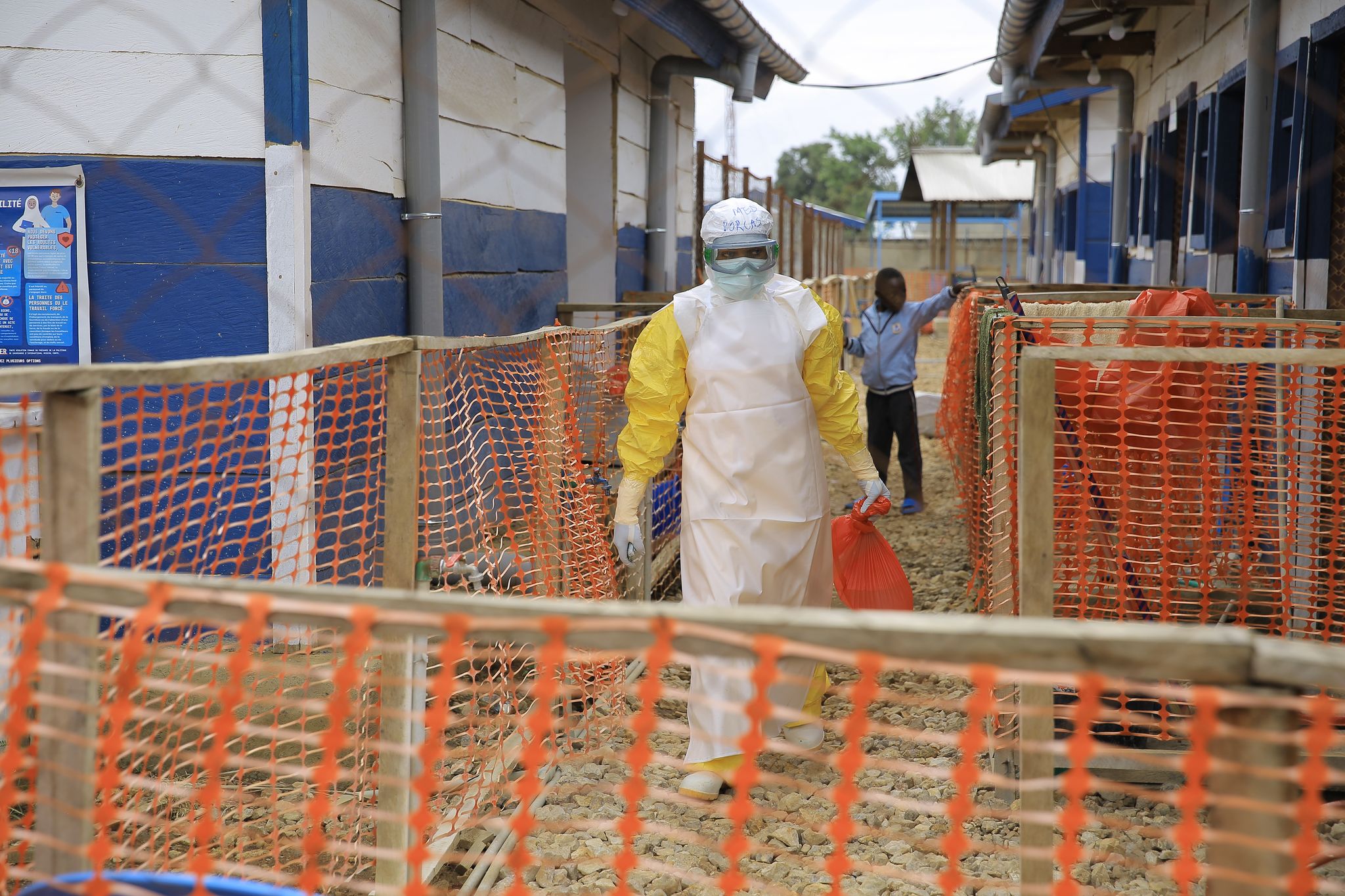
To manage the influx of children whose parents are undergoing treatment, UNICEF is operating 12 specialized child-care facilities adjacent to Ebola treatment centers. Frontline aid workers warn that public fear, lack of education about treatment centers, and stigma are also driving families away from seeking institutional care. Most deaths continue to occur outside of treatment centers, leaving medical workers unable to fully track transmission chains.
Violence and Mistrust Hinder Ebola Containment Efforts
Medical teams operating in eastern Congo face a volatile combination of armed conflict, rebel violence, and deep-seated community mistrust. Health workers in affected health zones have had to introduce periodic home visits because residents are too afraid to go to hospitals. In Bunia and other areas, mental health patients, survivors, and families deal with profound isolation and fear, as well as the psychological toll of losing multiple relatives to the disease.
Ebola is a community disease. If the community does not cooperate, it will be very difficult.
Mohamed Yakub Janabi, World Health Organization Regional Director for Africa
Compounding these operational hurdles, contact tracing and rapid isolation of suspected cases remain under strain, with suspected cases isolated only about 30 percent of the time according to CDC estimates. The current outbreak is caused by the rare Bundibugyo strain, for which there is no approved vaccine, though clinical trials and evaluations of related species vaccines like Ervebo are underway for frontline workers.
Four new cases have been confirmed in Kenya, bringing the total to seven, including one death. All four were identified among people already in quarantine.Dr @WessamMankoula explains one key indicator: are new cases coming from the contact list, or from outside it?🟢 From the… pic.twitter.com/AzeEH5jP9P
International travel restrictions remain firmly in place as well. The U.S. Centers for Disease Control and Prevention maintains specific guidance, recommending that travelers avoid all travel to Ituri and Nord-Kivu provinces and nonessential travel to Haut-Uele and Tshopo provinces. Travelers who were in the DRC within 21 days of their flight are barred from boarding commercial flights to the United States, and U.S. citizens must remain outside the country for 21 days before entering.
Anyone who has recently traveled to affected regions in Central Africa should monitor themselves for symptoms such as fever, headache, muscle pain, vomiting, diarrhea, or bleeding for 21 days after leaving. Individuals experiencing these symptoms are advised to call ahead before seeking medical care and to report their recent travel history to qualified healthcare professionals immediately.


