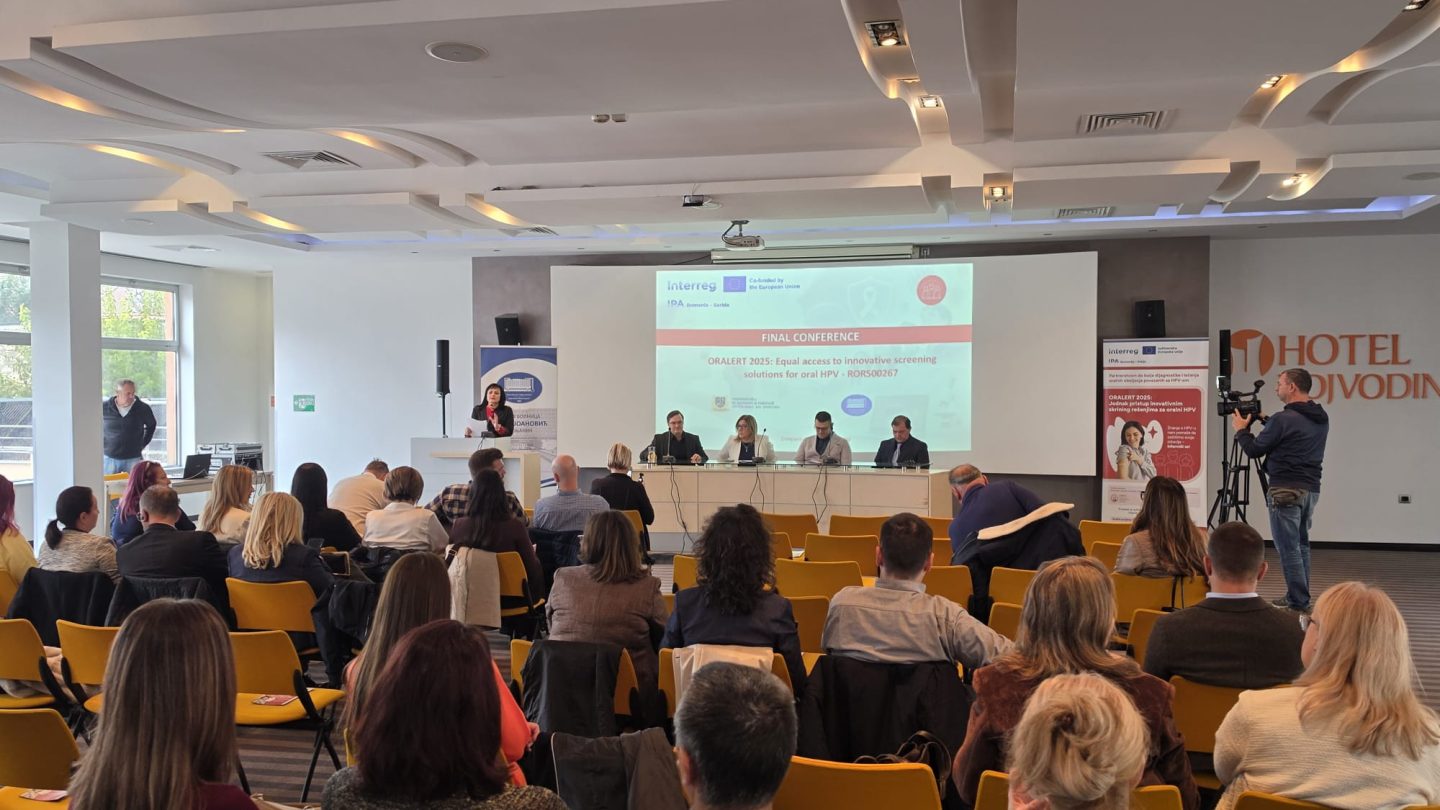
Young adults in Serbia and Romania gain new oral health tools as officials finalize a two-year cross-border health initiative.
Financing the ORALERT 2025 Project
The initiative was established with a total project value of 1,942,421.65 euros.
European Union co-financing supplied 1,651,058.40 euros through the Interreg IPA Romania–Serbia 2021–2027 program.
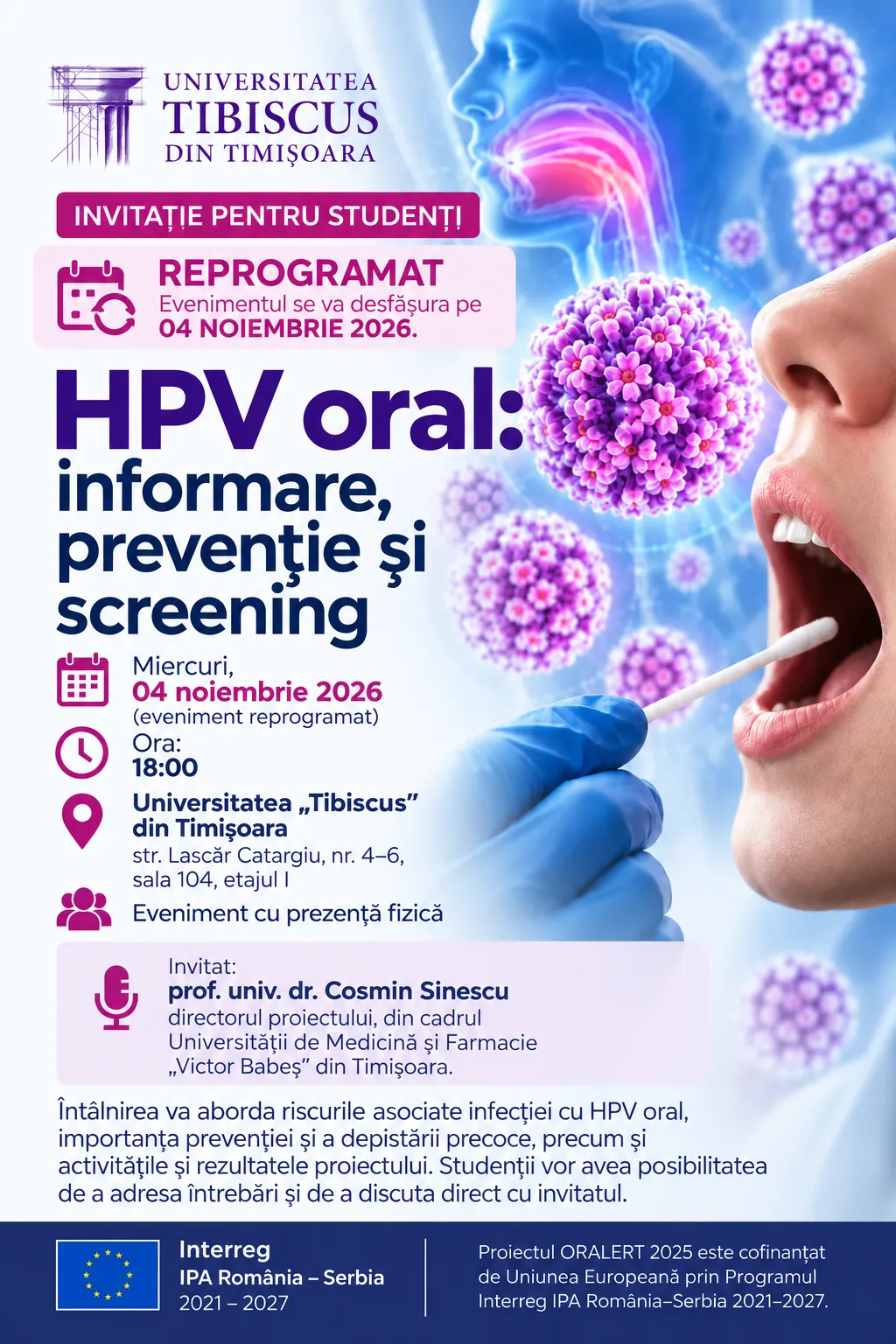
Cosmin Sinescu directed the event at the Tibiscus University of Timișoara. He represented the Victor Babeș University of Medicine and Pharmacy in Timișoara.
Sinescu addressed oral HPV infection risks and project activities. Students participated in an open dialogue with the guest speaker.
Upgrading Diagnostic Frameworks
Organizers reported on specific diagnostic frameworks established by the program for affected anatomical areas.
Methods for anal concerns include clinical examinations and anoscopy. They also include anal HPV tests and biopsies for suspicious lesions.
Vanja Kunkin noted that partner healthcare facilities strengthened professional capacities. They enhanced diagnostic procedures and fostered the exchange of knowledge.
Health experts from Serbia and Romania shared experience. Digital solutions improved the availability of health services.
Scientific literature provides context regarding oral human papillomavirus infection. This infection precedes most HPV-related oropharyngeal cancers.
Systematic reviews and observational studies were searched through July 10, 2026. PubMed, Embase, and the Cochrane Library provided data.
Researchers examined laboratory-confirmed oral HPV prevalence, incidence, and clearance among adults with or at risk for HIV. Prevalence reflects acquisition and duration of infection.
Incidence captures newly detected infections during follow-up. Clearance reflects the resolution of detectable infection.
People living with HIV face an excess oral HPV burden. Impaired cell-mediated immunity weakens control of infections.
This impairment leads to higher prevalences of oral high-risk HPV and HPV16 compared to HIV-negative populations. Behavioral and clinical investigations evaluate factors such as HIV infection and CD4 counts.
Through the realization of the ORALERT 2025 project, the cross-border cooperation of healthcare institutions from Serbia and Romania has been further strengthened, creating conditions for the long-term application of modern diagnostic methods and the improvement of the quality of health services,
Vanja Kunkin, General Hospital “Đorđe Joanović”
Participants and attendees at the university sessions were encouraged to consult qualified health professionals regarding personal screening options, risk factors, and preventative care.