As of November 5, 2026, 5,182 confirmed measles cases were reported across the United States, driving a sharp surge in pediatric hospitalizations and putting renewed pressure on public health infrastructure.
Measles Spreads Across Lancaster County
Pennsylvania has reported 1,505 measles cases, with more than a third of those infections concentrated in Lancaster County. At the start of the 2025-26 school year, 75% of U.S. counties and jurisdictions with MMR vaccination data fell below the threshold for herd immunity according to an NBC News and Stanford University data investigation.
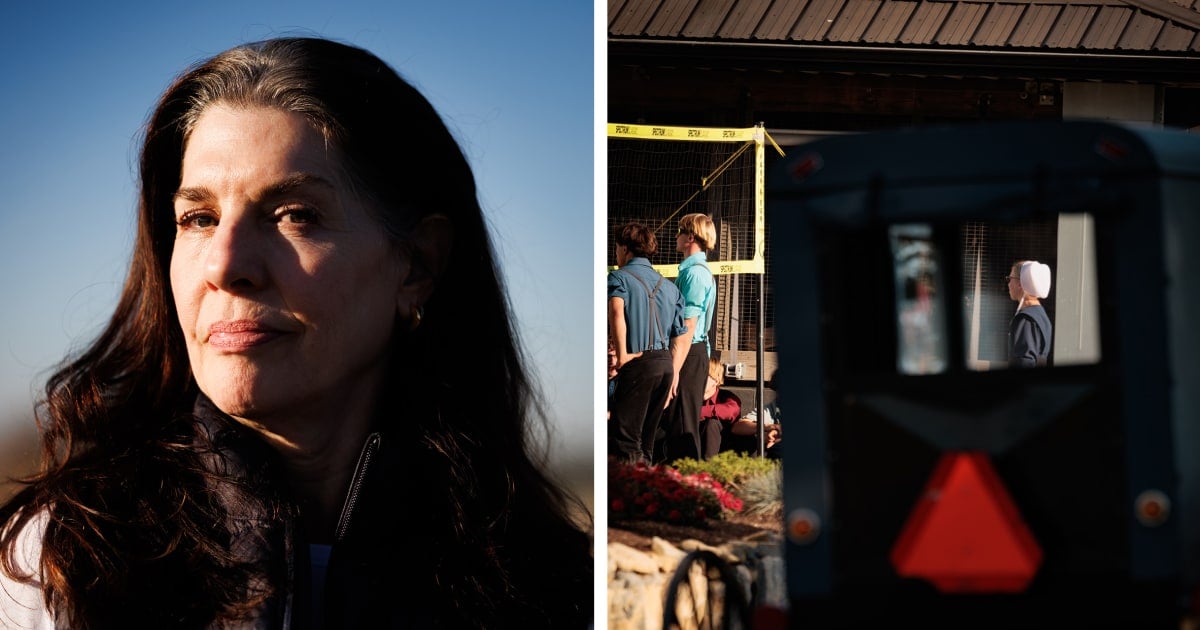
Roberta Devers, a traditional midwife in Lancaster County who once chose not to vaccinate her son, has seen her perspective change after caring for a pregnant woman in Lancaster County, Pennsylvania, who had recently had measles.
State law bars traditional midwives from practicing medicine. Devers said that the Pennsylvania Health Department recently invited her and other midwives to an upcoming measles education webinar.
Every single day, someone’s calling to ask what they do. They’re pregnant and they’ve gotten it, or their babies have gotten it.
Roberta Devers, traditional midwife
Of the 1,505 Pennsylvanians who have fallen ill with the potentially fatal measles virus this year, less than 1% were vaccinated. Lancaster County’s MMR vaccination rate stood at 95.5% before the pandemic, representing the level needed to prevent an outbreak, but during the previous school year, only 87.6% of the county’s kindergartners had received measles shots based on NBC News data.
State officials, operating under the administration of Governor Josh Shapiro, launched a centralized vaccine website featuring resources, recommendations, and a video series with doctors throughout the state speaking about each specific vaccine at pa.gov/vaccines. During the measles outbreak, Department of Health staff have engaged in thousands of conversations with Pennsylvanians concerning the benefits of the measles, mumps, and rubella vaccine.
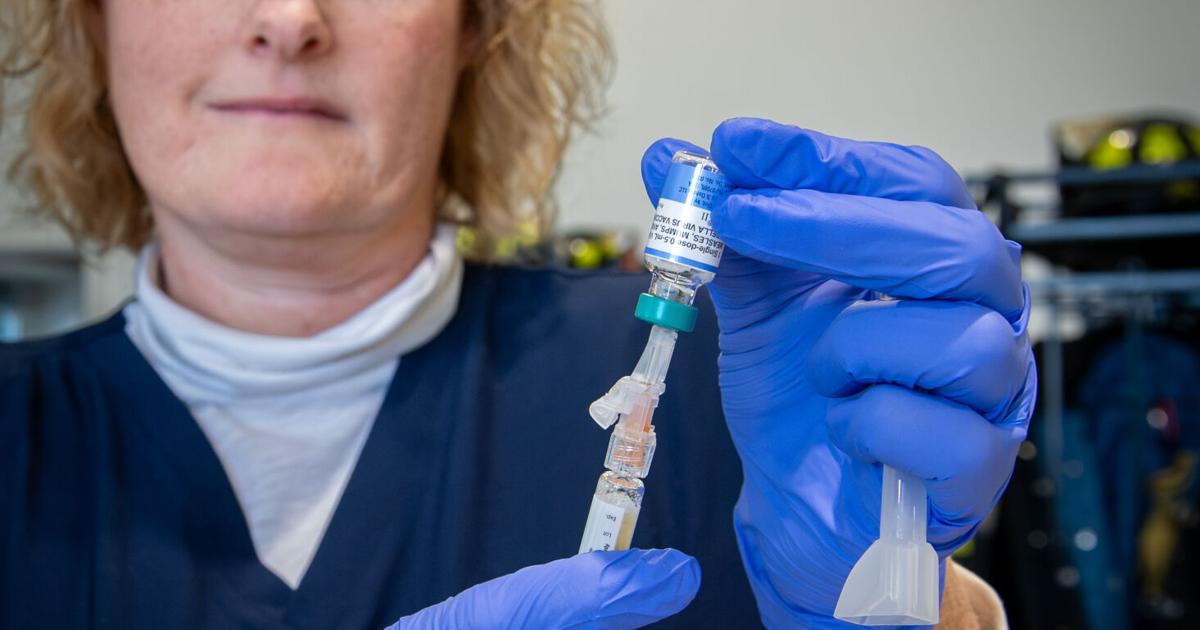
Jennifer Wallace, medical director for the Department of Health’s Bureau of Community Health Systems, discussed MMR vaccinations while at a pop-up vaccination clinic inside the Christiana Fire Company on Thursday, October 26. Devers said that the Pennsylvania Health Department recently invited her and other midwives to an upcoming measles education webinar.
Melvin Zook, a 30-year-old Leacock Township father of three and an Amish business owner at Root’s Country Market who chose not to vaccinate his children, expressed skepticism about the ingredients in the MMR vaccine and said he would rather take his chances.
Four of five Old Order Amish respondents interviewed at Root’s on the same day indicated they had been vaccinated or were planning to get vaccinated but preferred to remain anonymous.
A 59-year-old Amish father of 11 from Rapho Township shared that he, his wife, and their five children at home had recently been vaccinated. Hannah Garman, a 27-year-old resident of Lancaster County expecting her third child in early December, recalled that she was not raised with doctors and never received childhood vaccines, choosing instead to avoid sick people and rely on a good diet and her Christian faith.
#measles ➡️ Doctors Say a Rare Kind of Measles Is on the Rise Babies are catching measles in utero for the first time in decades. – Each October, after the last of the tobacco has been harvested and the apple jam canned, Amish communities begin celebrating the months-long…
Hospitalizations and Pediatric Complications
Pediatric physicians report severe respiratory distress and organ complications among young patients admitted to hospitals during the outbreak. At least two babies in the state have died.
Babies gasping for air, children needing oxygen and respiratory support, patients on ventilators. We see babies and children coming in with infections of organs within the abdomen, their liver, dehydration, babies that can’t take bottles.
Dr. Evan Shirey, pediatric infectious disease physician at Penn State Health Golisano Children’s Hospital in Hershey
Shirey said that some children develop brain inflammation known as encephalitis, which can result in long-term or irreversible damage while other infants are born with congenital measles.
“It's honestly just been horrifying to watch,” said Dr. Evan Shirey, a pediatric infectious disease physician at Penn State Health Golisano Children's Hospital in Hershey.
“I'm experiencing the outbreak as a doctor, but I'm also experiencing it as a dad, and I can't protect my baby yet with a vaccine,” said Dr. Evan Shirey, a pediatric infectious disease physician at Penn State Health Golisano Children's Hospital in Hershey.
Out of 5,182 confirmed measles cases reported in the United States as of November 5, 2026, 4,993 cases (or 96%) were outbreak-associated, comprising 3,608 cases from outbreaks beginning in 2026 and 1,385 from outbreaks originating in 2025.
Across the United States, 908 cases (18%) involved children under 5 years of age, 2,104 cases (41%) involved individuals aged 5 to 19 years, 2,132 cases (41%) involved adults aged 20 and older, and 38 cases (1%) were of unknown age.
Regarding vaccination status among these cases, 96% were unvaccinated or of unknown status, 2% had received one MMR dose, and 2% had received two MMR doses.
Hospitalization figures across the nation show that 154 of 908 patients under 5 years old (17%) were hospitalized, along with 94 of 2,104 patients aged 5 to 19 (4%), 313 of 2,132 patients aged 20 and older (15%), and 1 of 38 patients of unknown age (3%).
For comparison, the full year of 2025 recorded 2,289 confirmed measles cases and 48 outbreaks, with 90% of those cases being outbreak-associated, while 2024 saw 16 outbreaks and 69% of cases linked to outbreaks. Furthermore, 18 measles cases in 2026 were reported among international visitors to the United States.
The Centers for Disease Control and Prevention is collaborating with the Council of State and Territorial Epidemiologists to formulate a standardized case definition for measles-related deaths to ensure consistent reporting across jurisdictions.
States Launch Emergency Rules and Public Health Outreach
Different states are handling the operational response to outbreaks through distinct regulatory frameworks. New York declared a disaster emergency allowing certain trained healthcare practitioners, including midwives, to administer vaccines.
In Wisconsin, where a baby with measles has died, certified nurse midwife Korina Bauer is working with public health officials to set up a vaccination clinic for Amish clients. Bauer has been counseling two pregnant Amish women whose husbands were exposed to the virus, noting significant curiosity and concern regarding symptoms.
Katherine Wells, public health director for Lubbock, Texas, expressed a desire to have implemented similar emergency measures involving midwives during a previous outbreak among Mennonite communities in Gaines County, noting that using existing personal connections between midwives and families helps mitigate viral spread.
Wells said in rural and religious communities of engaging people who understand local practices and mentioned that she could have trained front desk staff at the Public Health Department to administer vaccines.
In Pennsylvania, state law bars traditional midwives from practicing medicine. Meanwhile, state pop-up vaccination clinics operate with discreet locations communicated primarily via word of mouth to accommodate community requests for privacy.