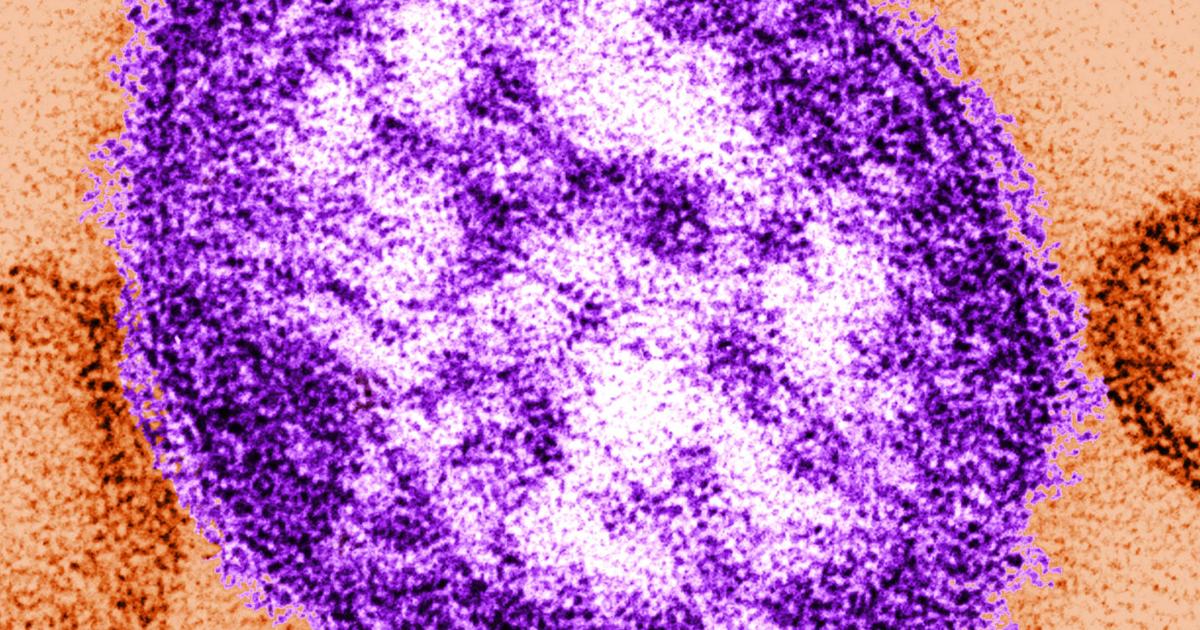
“We’re now seeing levels of measles that we haven’t seen in 30 years,” said Dr. Adam Ratner, a member of the American Academy of Pediatrics’ infectious diseases committee.
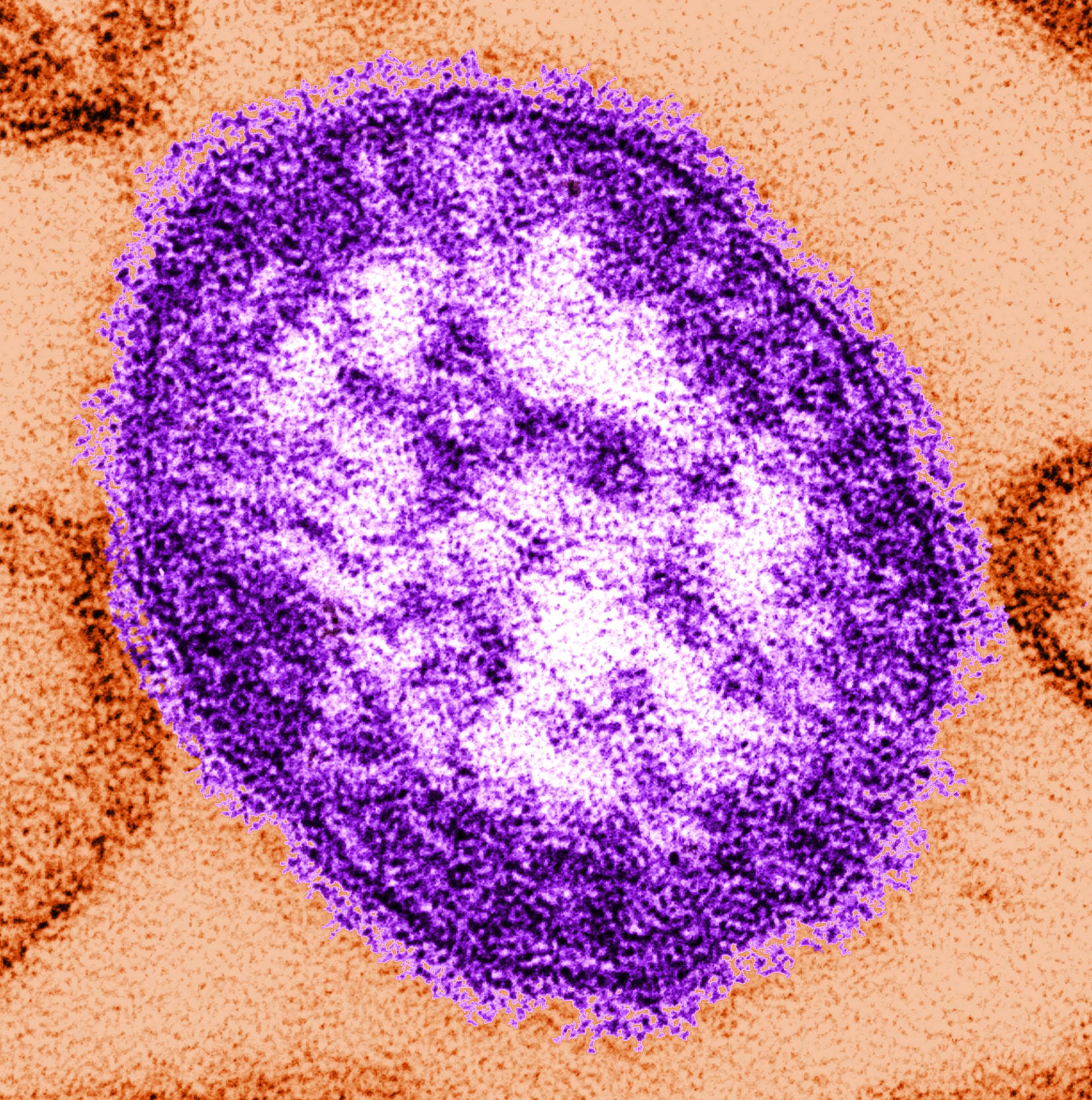
The United States has lost the measles-free status it held since 2000.
Over 7,500 total cases were reported to the Centers for Disease Control and Prevention (CDC) during the past two years. This development follows a surge in national infections.
NEJM Evidence released figures indicating 112 cases of confirmed measles occurred during pregnancy. Pennsylvania’s health department reported 101 of 1,561 state infections involved pregnant people. This is the highest number among states.
Dr. Sharee Livingston, an OBGYN in Central Pennsylvania, said providers must monitor the mother-fetus dyad closely. She said this is because of the risk of fetal death. Some women experienced preterm delivery, and two lost their pregnancies. “This is much worse than we thought,” said Michael Osterholm, a public health expert at the University of Minnesota.
This is a brand-new phenomenon.
Michael Osterholm
Osterholm said the situation is driven by declining vaccination rates. Measles was suppressed for 25 years. A generation of women of childbearing age lacks both vaccine-induced immunity and natural exposure.
Congenital measles can lead to life-threatening complications for newborns. Infants have congenital measles if they were exposed in the uterus and doctors identify the virus shortly after birth. Fever, jaundice, and a measles rash are common symptoms.
The measles, mumps, and rubella (MMR) vaccine contains a live, weakened virus and is not administered during pregnancy. Doctors say vaccination before pregnancy is the most effective preventative measure. Antibodies passed through the placenta provide infants with protection for several months after birth.
Medical professionals may provide a solution containing antibodies to unvaccinated pregnant women exposed to the virus. They do this within six days to reduce the risk of infection and complications.
Public health experts say congenital measles is rare when the virus is controlled within the general population. The erosion of community immunity has created new vulnerabilities. “It’s going to be a lot of work on the part of pediatricians and public health institutions and lots of others. But it’s an important thing for us to do,” Ratner said.
Nieuwoudt said collective responsibility protects those who cannot be vaccinated, such as infants. The first routine MMR dose is typically given at 12 to 15 months of age. In outbreak areas, the earliest possible administration is 6 months. “Patients should consult with their obstetricians or pediatricians regarding appropriate clinical care and protective measures,” Nieuwoudt said.
Earlier coverage: US Faces Loss of Measles Elimination Status Amid Case Surge